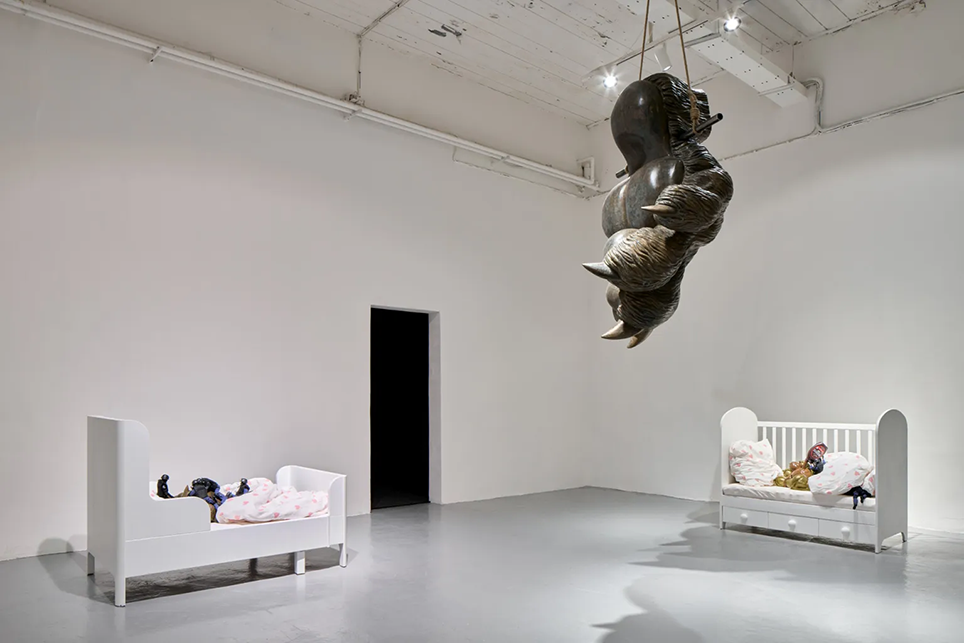
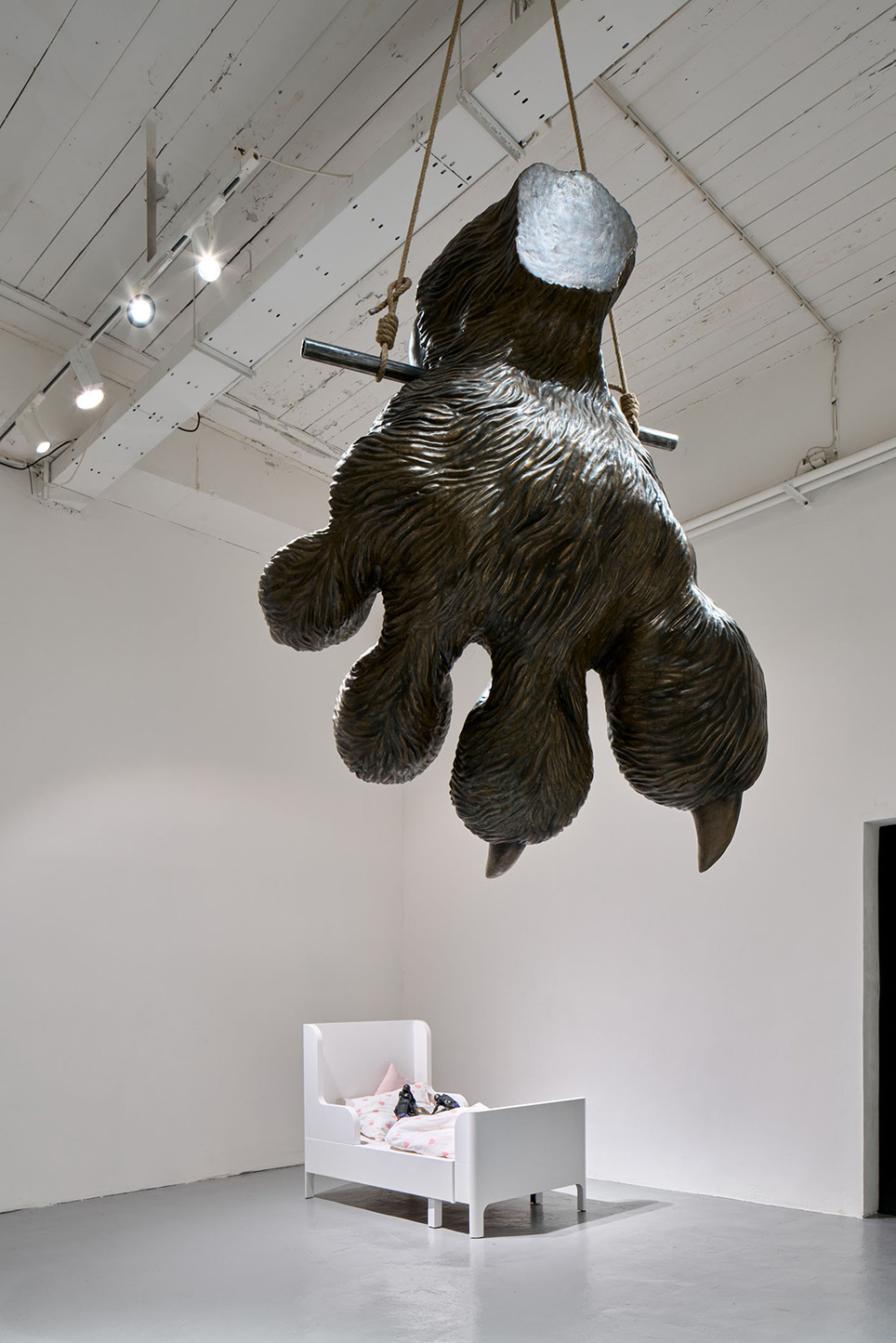
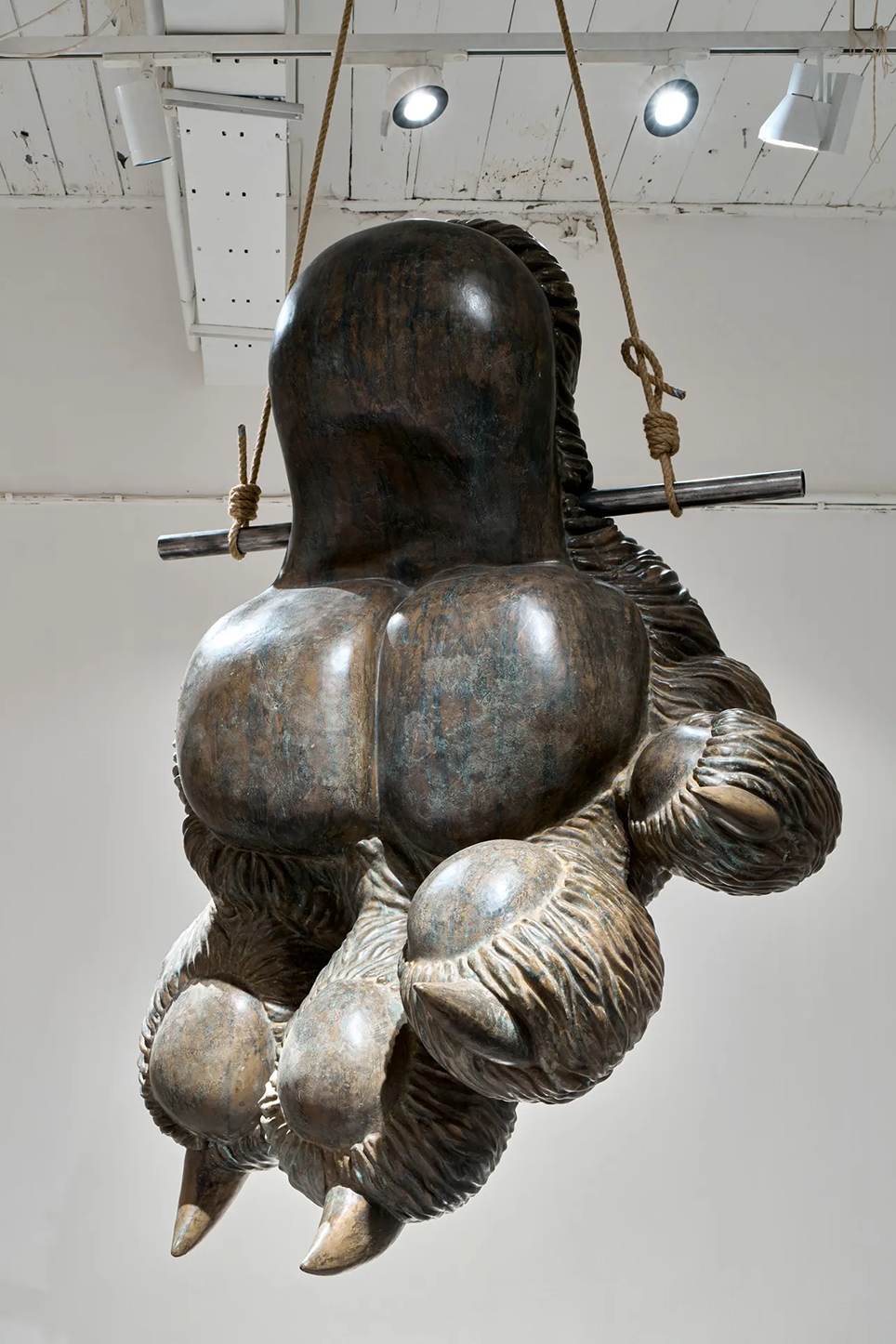
Title: ‘Bottom’s just another floor – Today’s Day Care‘
Artist: Anne de Vries
Year: 2025
Dimensions: Variable
Exhibition: ‘Bottom’s just another floor’ at Meet Factory, Prague
Curators: Noemi Purkrábková and Jiří Sirůček
Title: ‘Bottom’s just another floor – Today’s Day Care‘
Artist: Anne de Vries
Year: 2025
Dimensions: Variable
Exhibition: ‘Bottom’s just another floor’ at Meet Factory, Prague
Curators: Noemi Purkrábková and Jiří Sirůček
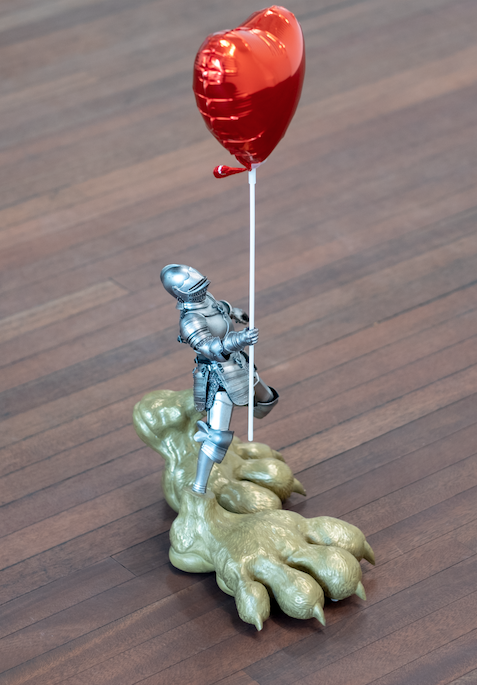
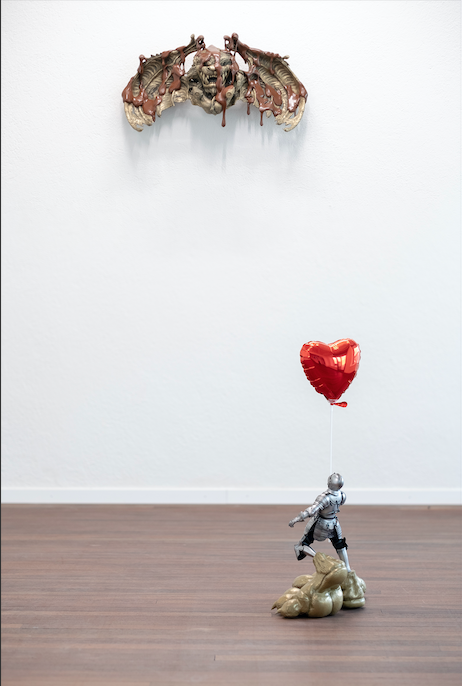
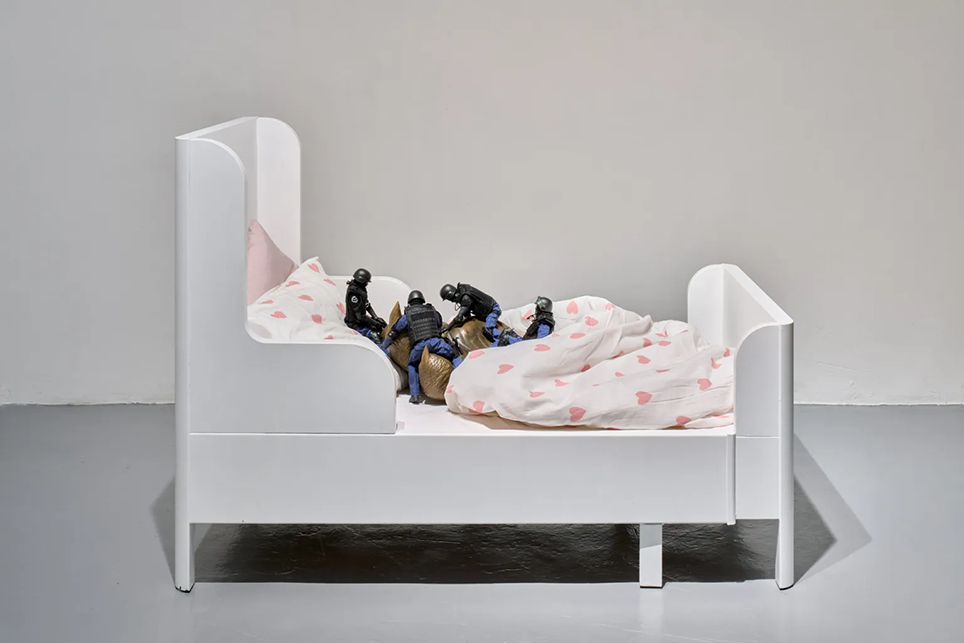
Title: Little Heralds Amendments
Artist: Anne de Vries
Year: 2025
Materials: Brass pulver, Patina, Resin core, Customized 1/6 knight with aluminum armor, heart balloon.
Dimensions: 35 x 45 x 30 cm
About: This art installation consists of a unique set of components that can be collected, installed, and played with.
Where: Blue Velvet, Zürich
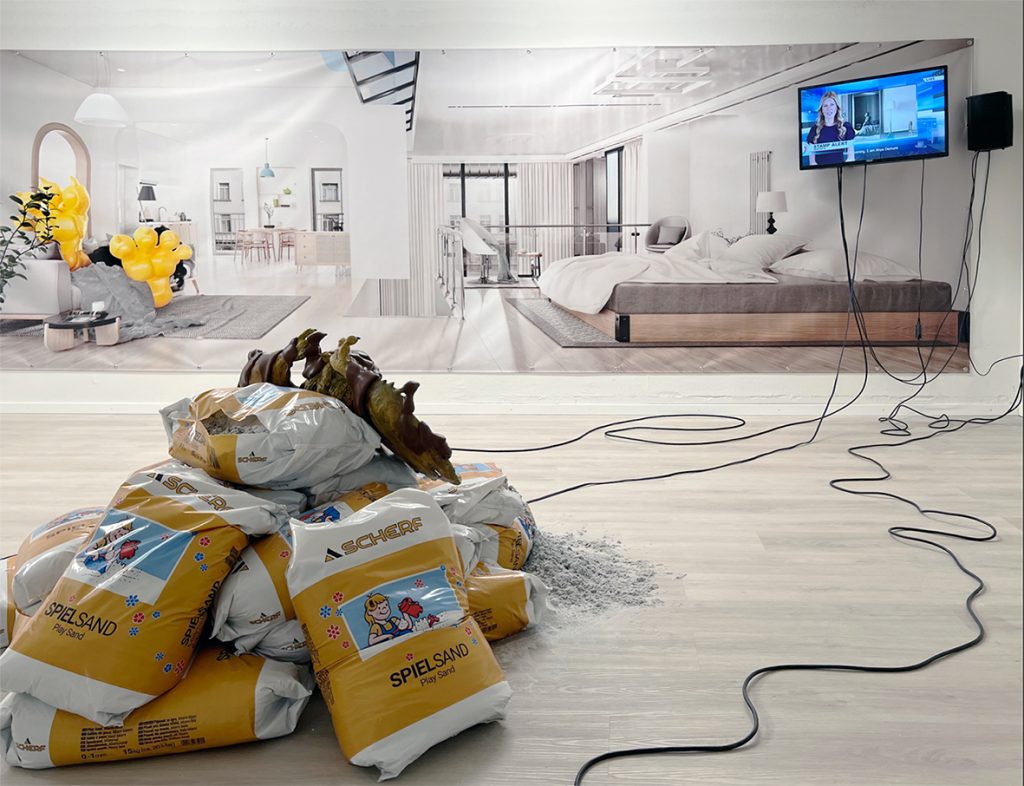
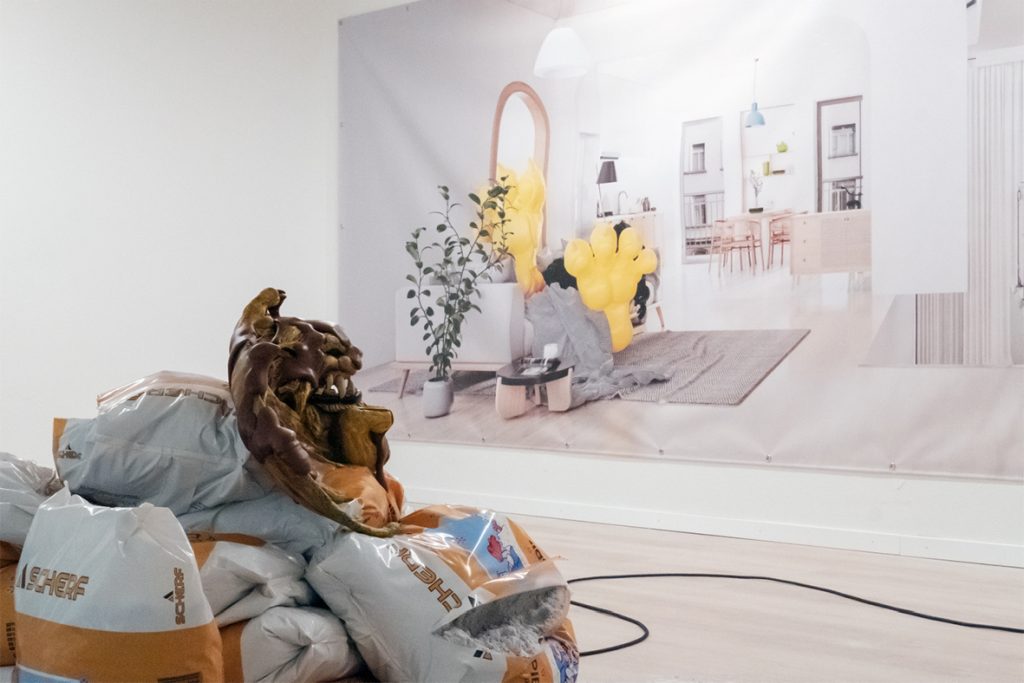
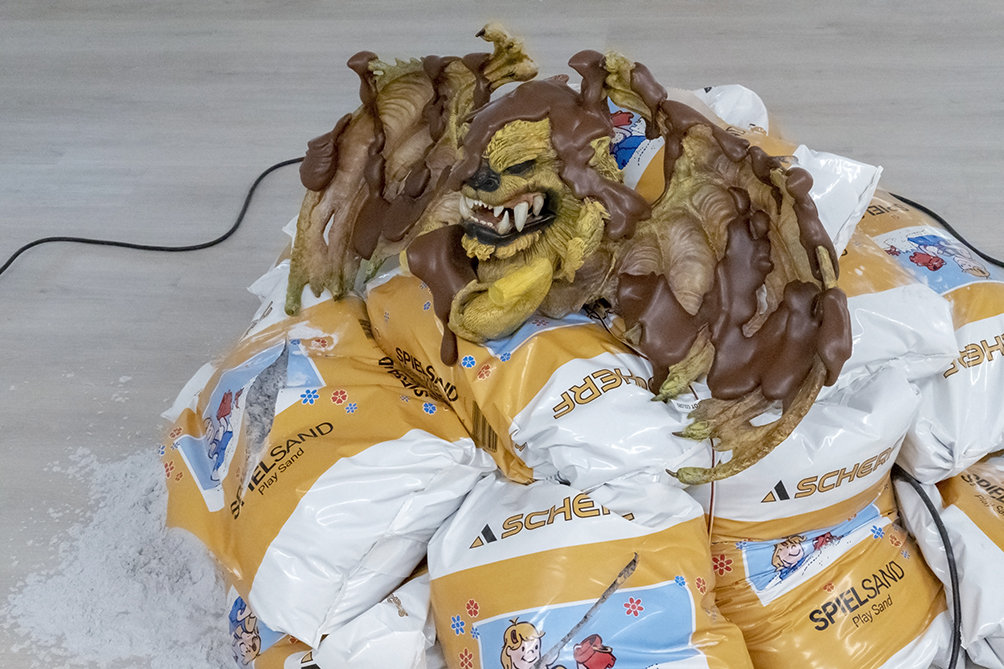

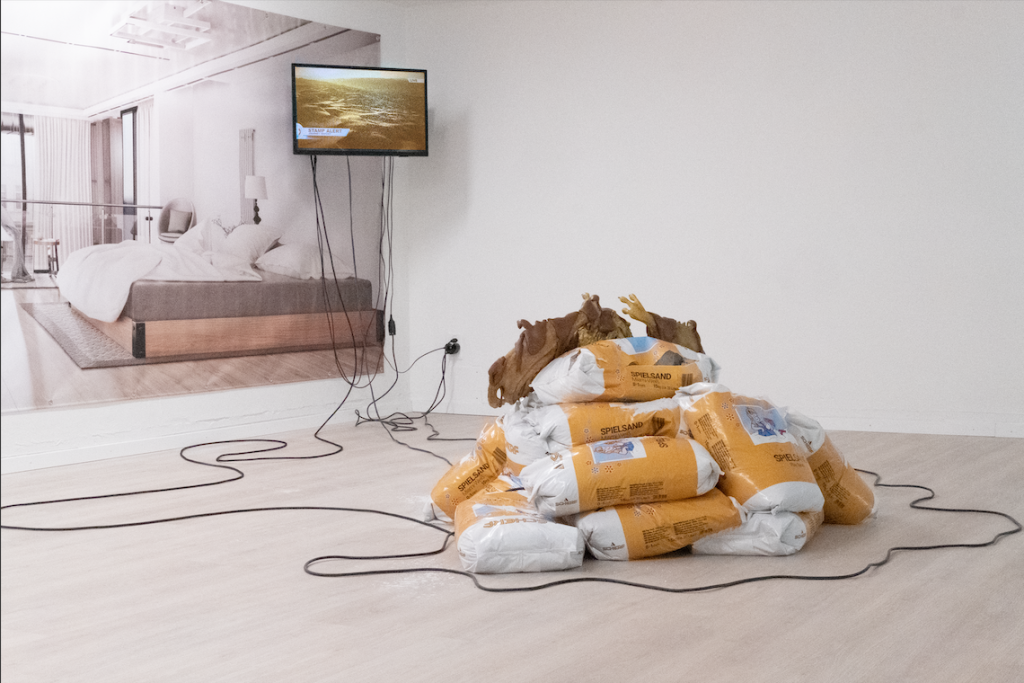
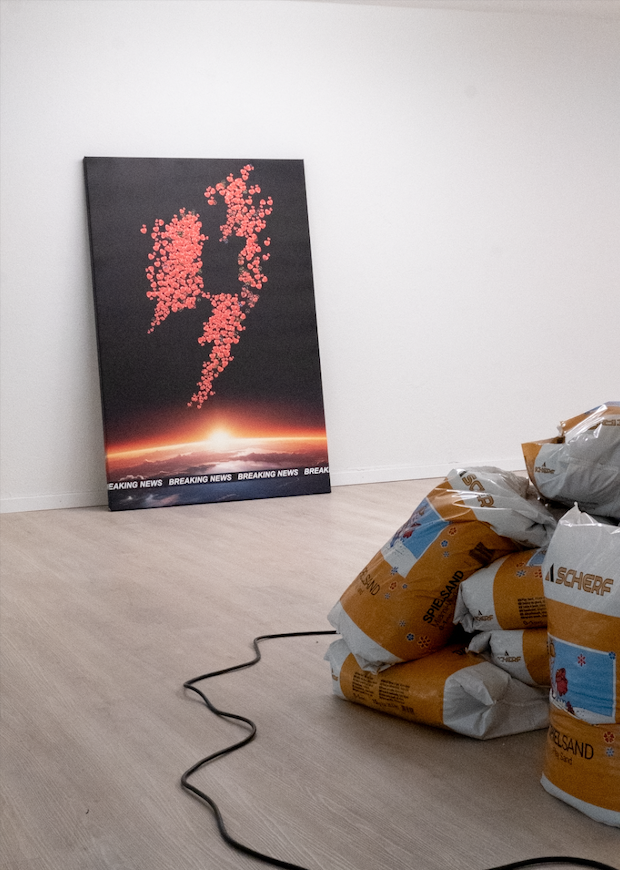

Title: STAMP ALERT – Connecting The Dots
Year: 2025
Artist: Anne de Vries
Description:
An immersive installation exploring themes of media and constructed realities through a combination of animatronics, video, and large-scale printed visuals.
Installation Components:
Produced in collaboration with: ODYSSEY, Köln, and Blue Velvet, Zürich

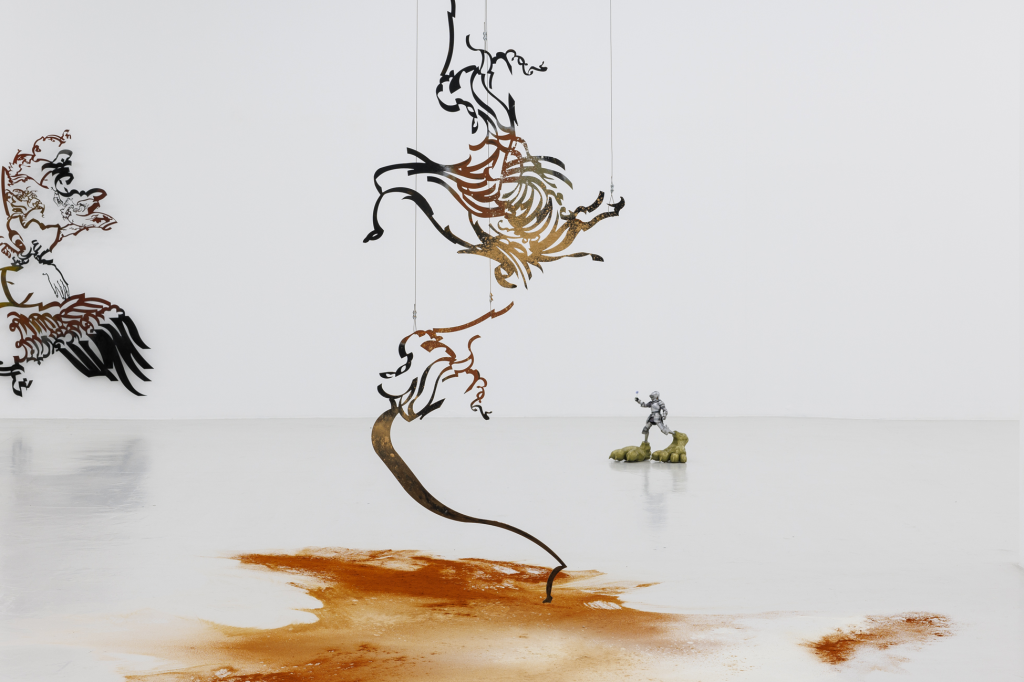


Artworks by: Monia Ben Hamouda, Andrew Birk, Anne de Vries, Michele Gabriele, Dorota Gawed̨ a and Eglė Kulbokaite,̇ Bradford Kessler.
Curated by: Monia Ben Hamouda & Michele Gabriele.
Location: Cassina Projects, Milan, 2024
Documentation: from the group exhibition ‘To Romanticize with Indecision‘
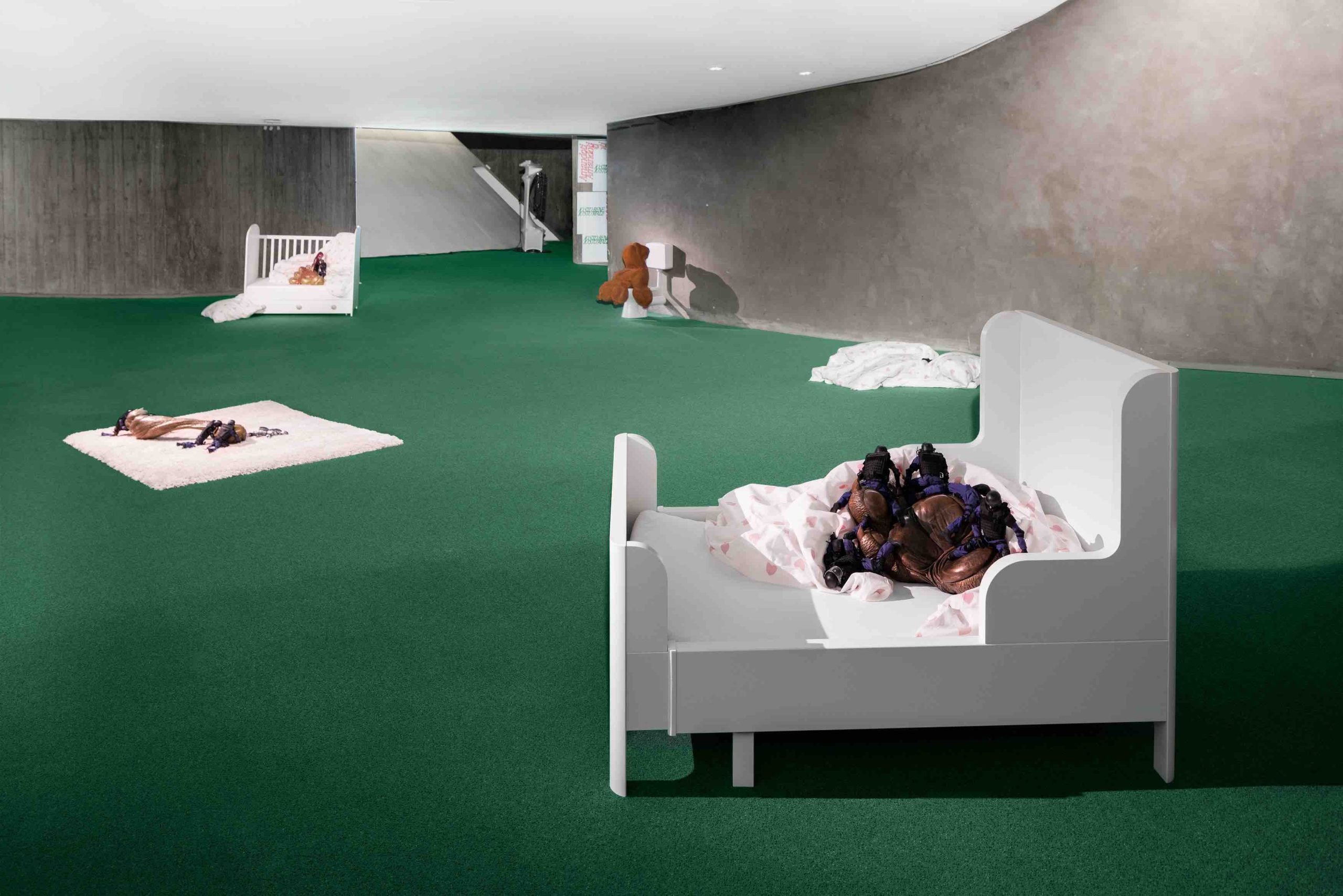

Title: Manifesto XXIII – Day Care
Artist: Anne de Vries
Year: 2023
About:
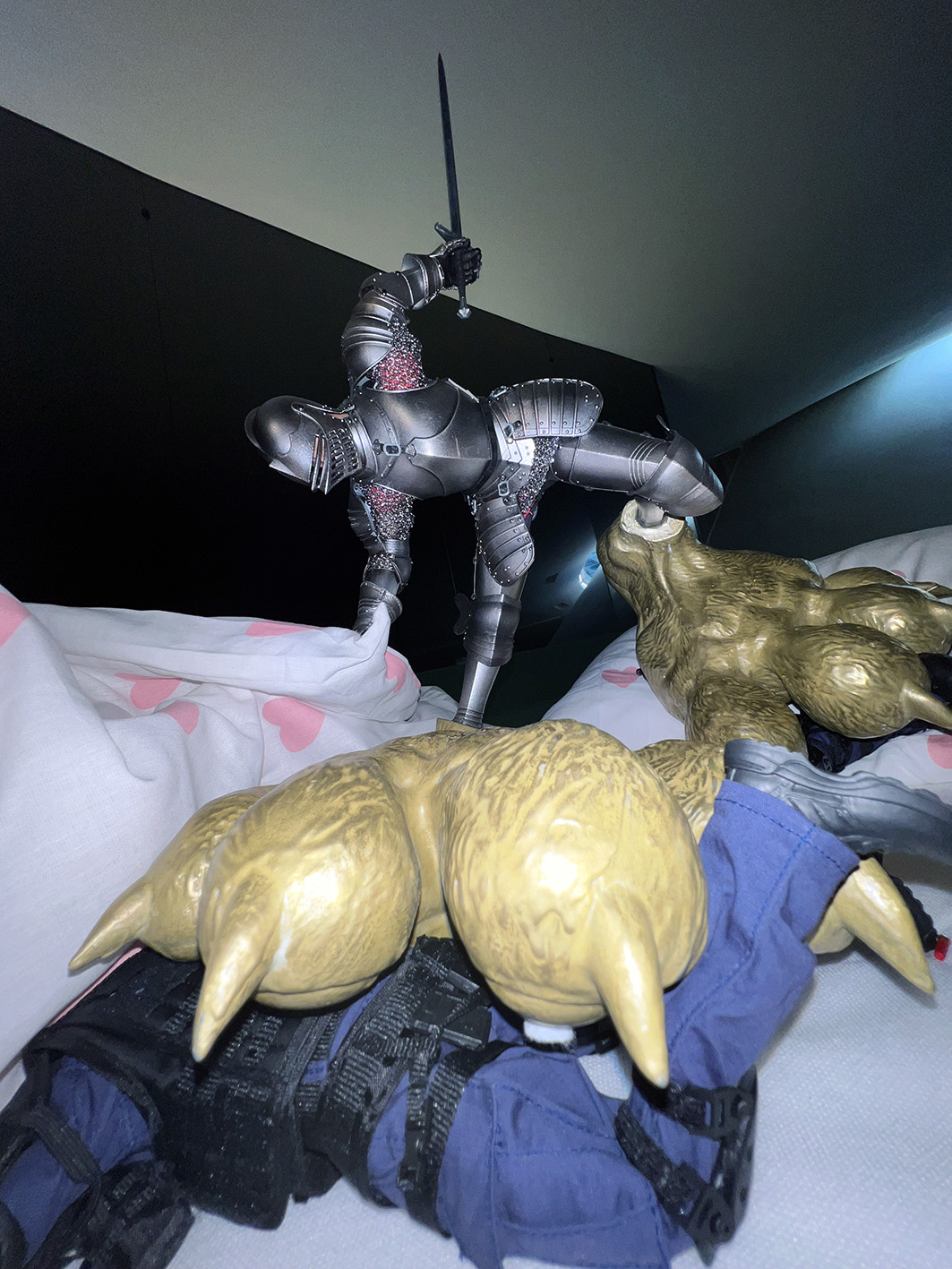
This installation features infantile—but not innocent—scenes, including toy-like sculptures that can be played with.
Location: The headquarters of the Parti Communiste Français, inside the ESPACE building designed by Oscar Niemeyer, Paris
Curated by: Kaleidoscope.


Title: Home Alone
Artist: Anne de Vries
Year: 2022
Dimensions: 98 × 87 × 100 cm
Materials: Rusted metal coating, patina, carved rigid foam core, ceramic toilet, plastic pipes
Exhibition views from: Blue Velvet Projects, Zürich



Title: TRAUMA UNCLOGGED
Year: 2023
Artist: Anne de Vries
Dimensions: Variable
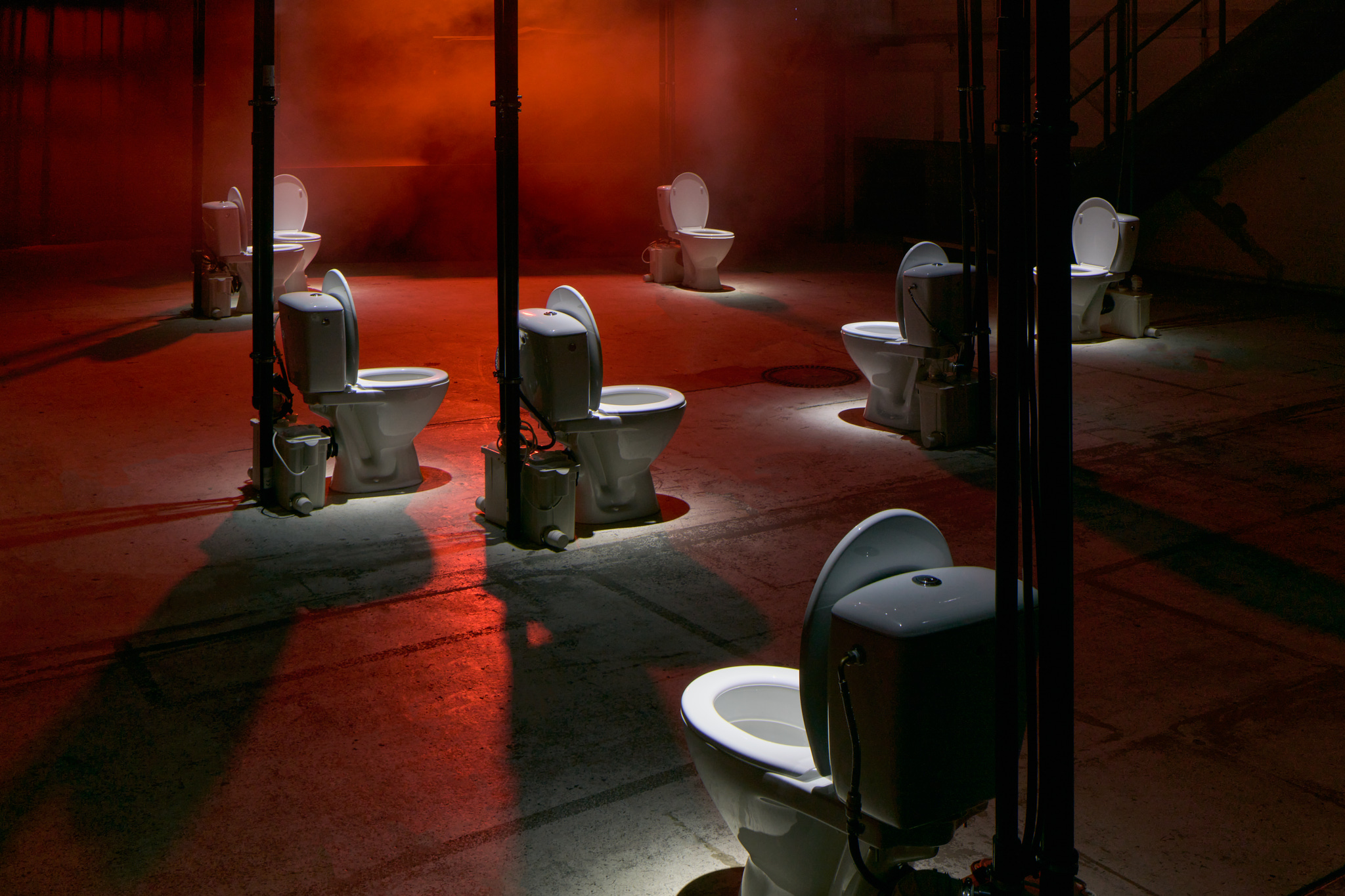
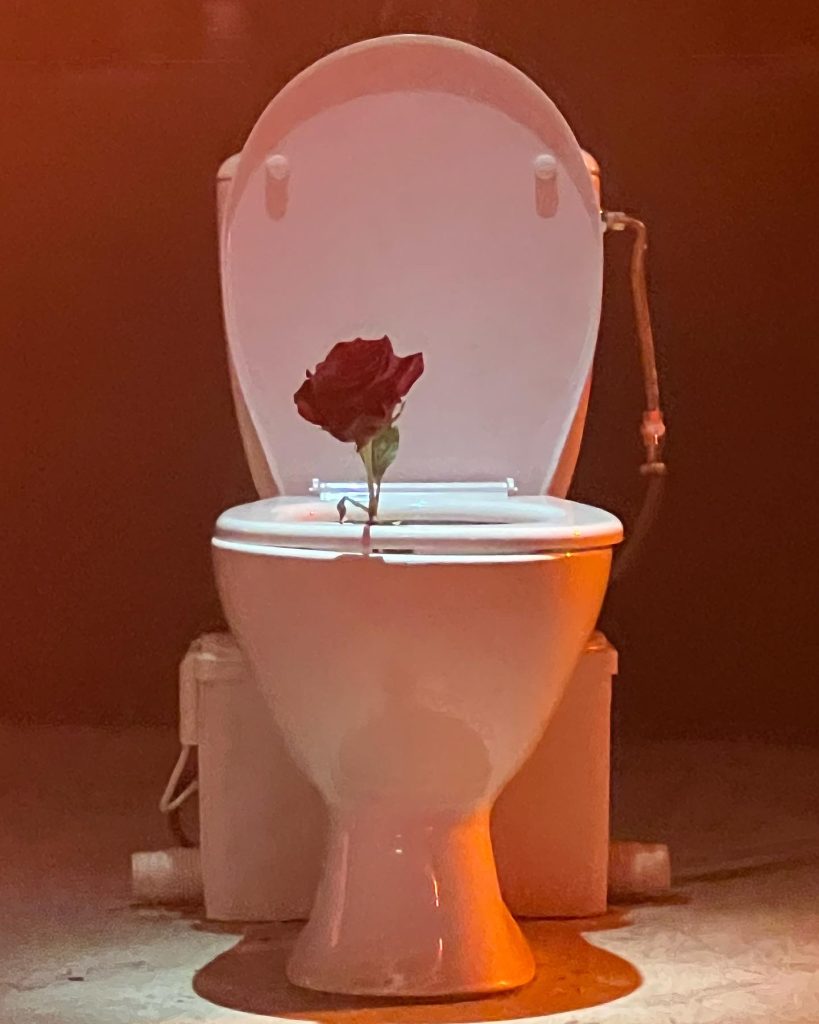
Materials: 14 fully functioning toilets on a dance floor with a light and sound system
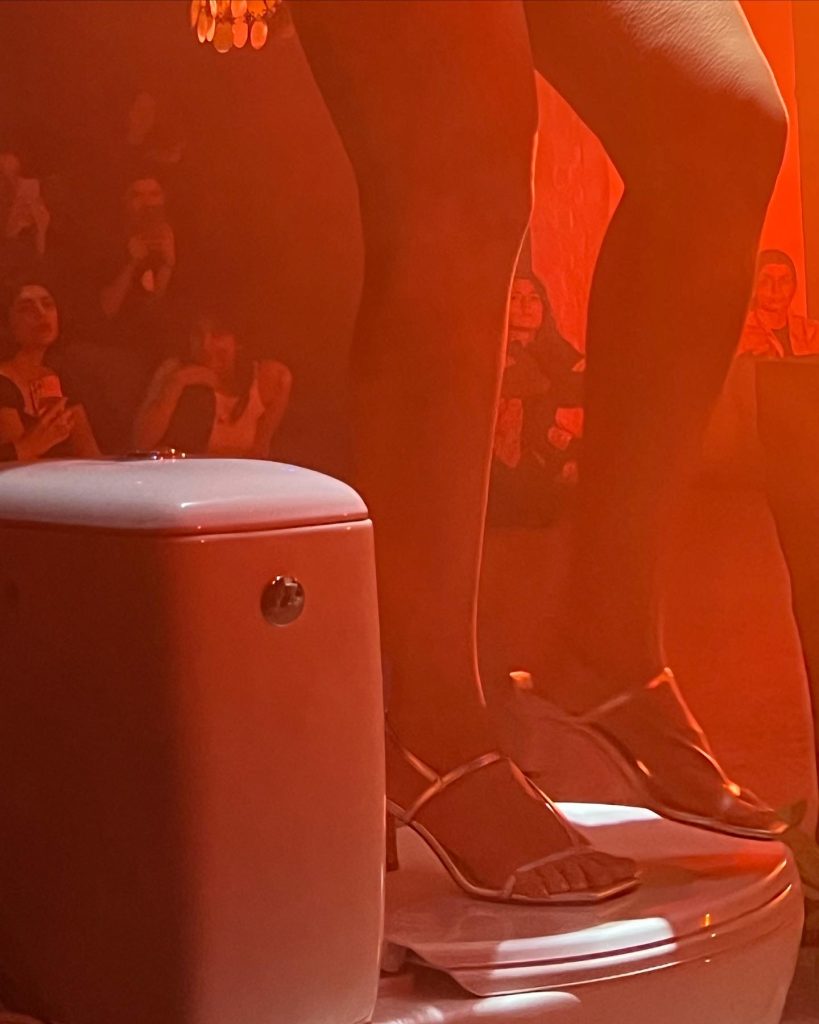
Description: This immersive installation features 14 fully functioning toilets on a dance floor, equipped with lights and a sound system. Serving as a stage, it hosted several performers, musicians, and the club night CLUB UNCLOG throughout a one-month exhibition period.
This first incarnation has been hosted and produced by Trauma in Berlin.
Event Program:
April 29th: Opening Night: Evita Manji (live) AMNESIA SCANNER (DJset) SCHIRIN (DJset)
May 4th: TRAUMA UNCLOGGED: PRICE (live performance)
May 11th: TRAUMA UNCLOGGED: Jan Vorisek (live) SADAF (live)
May 20th: CLUB UNCLOG: 7777 の天使, Dmitra, Dasychira, Jasmine Infiniti, DJ Mantis.
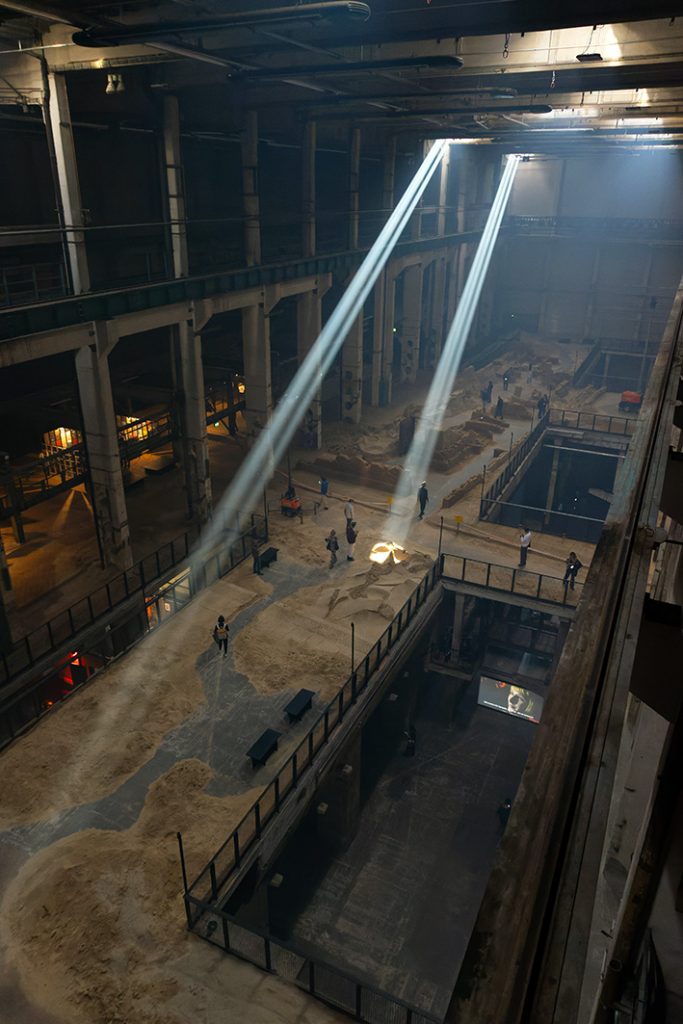

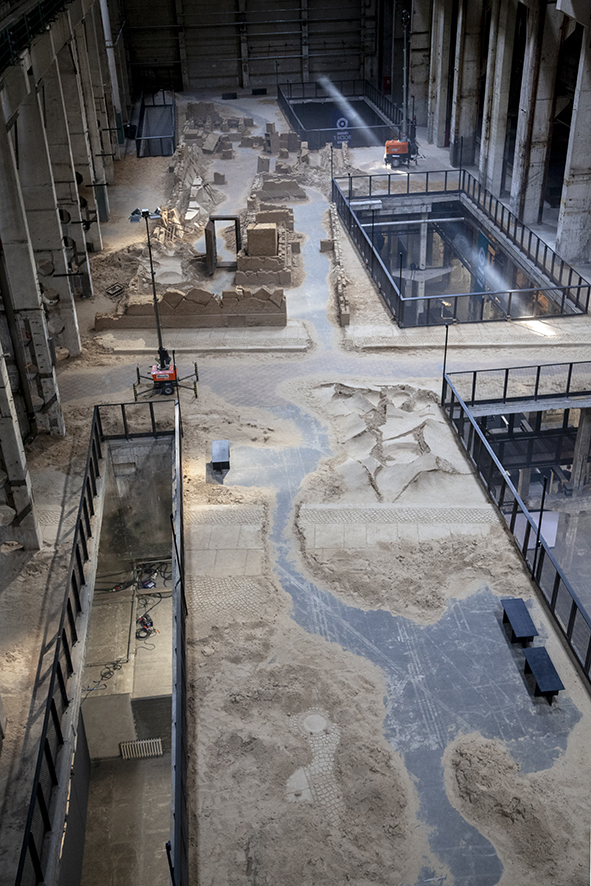


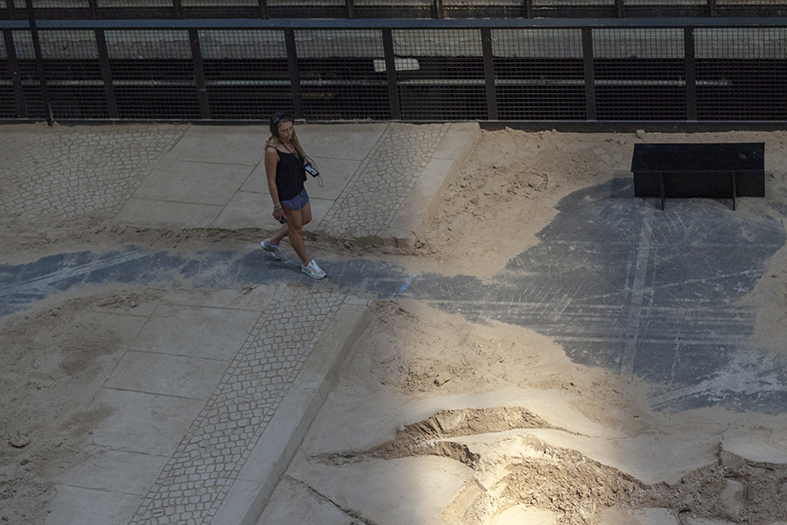
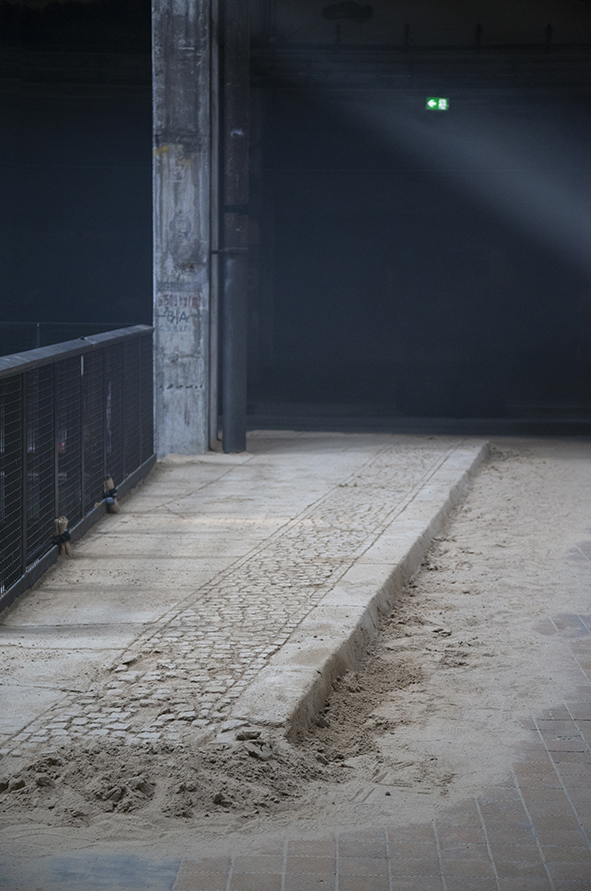

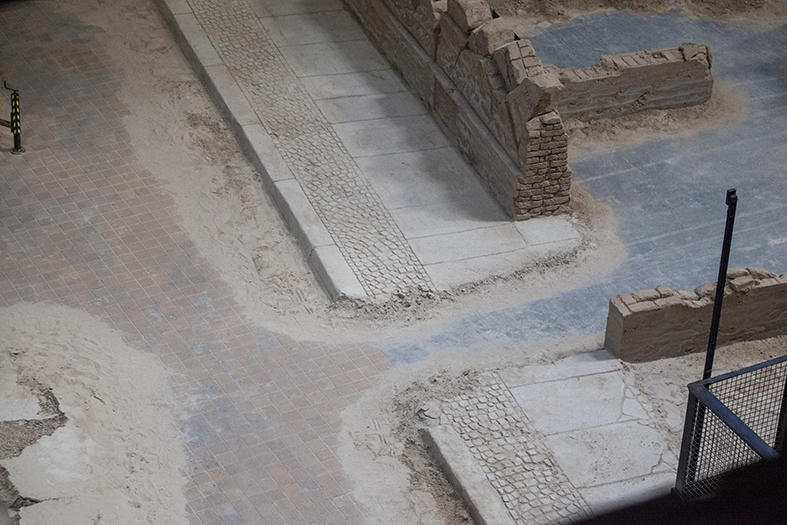
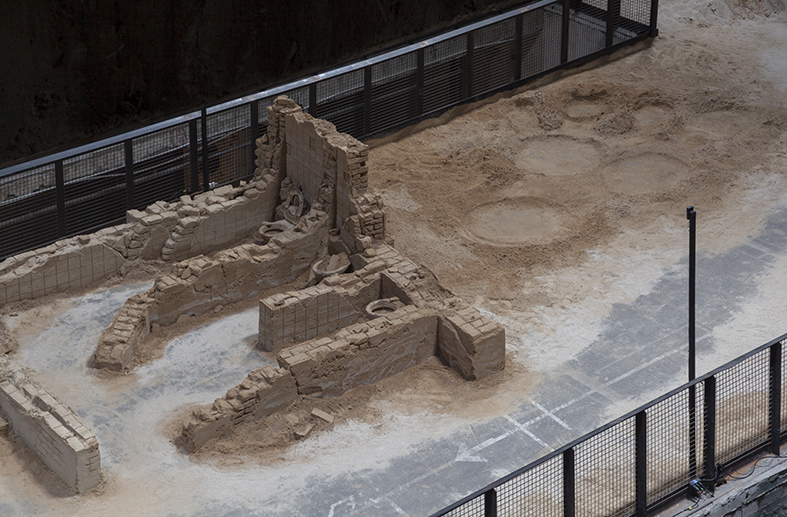
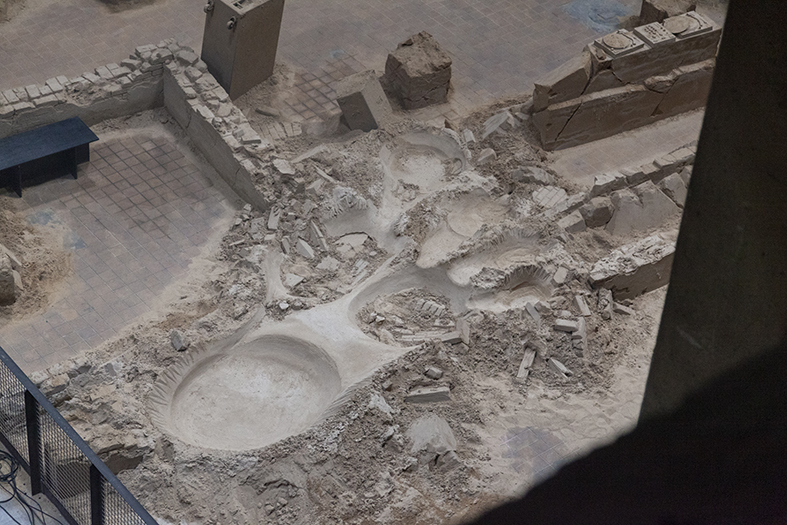

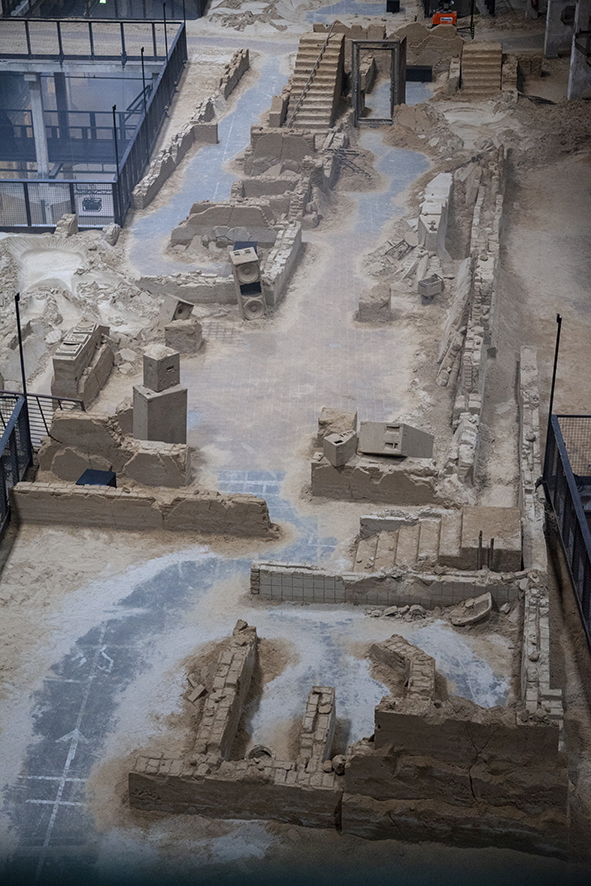

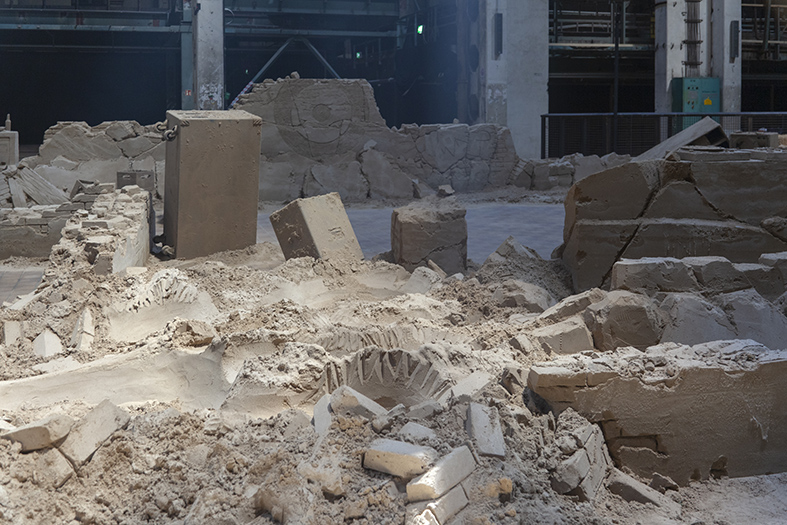
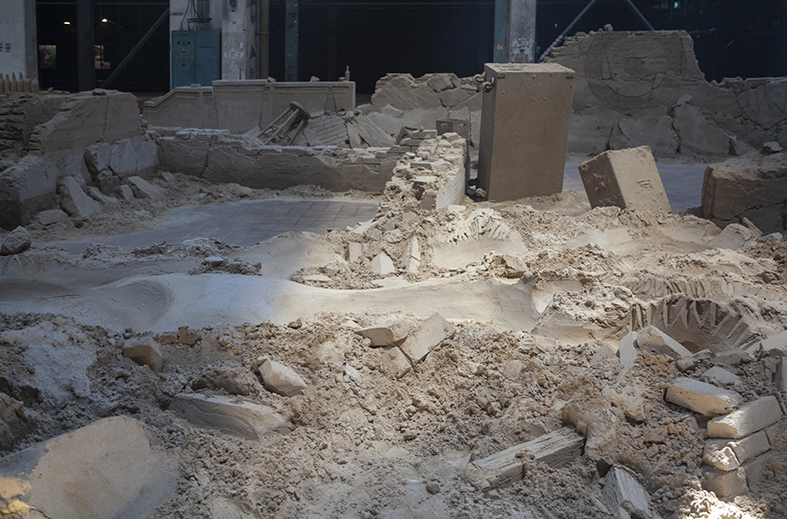


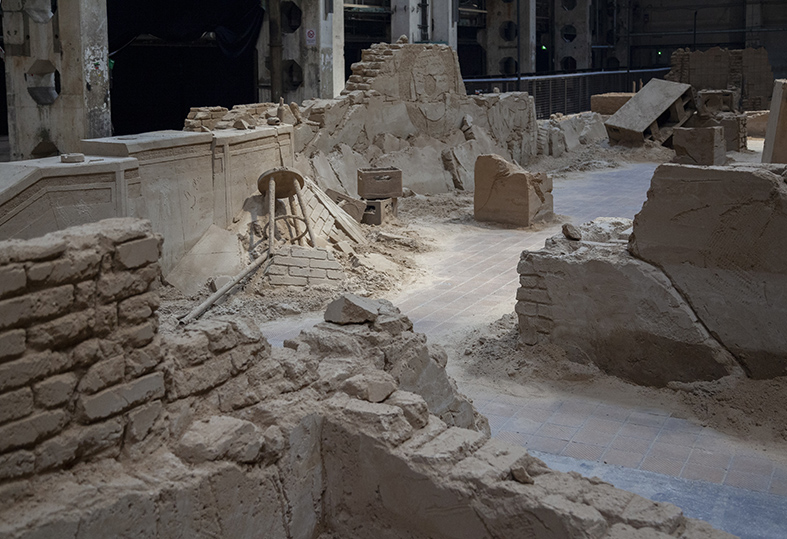
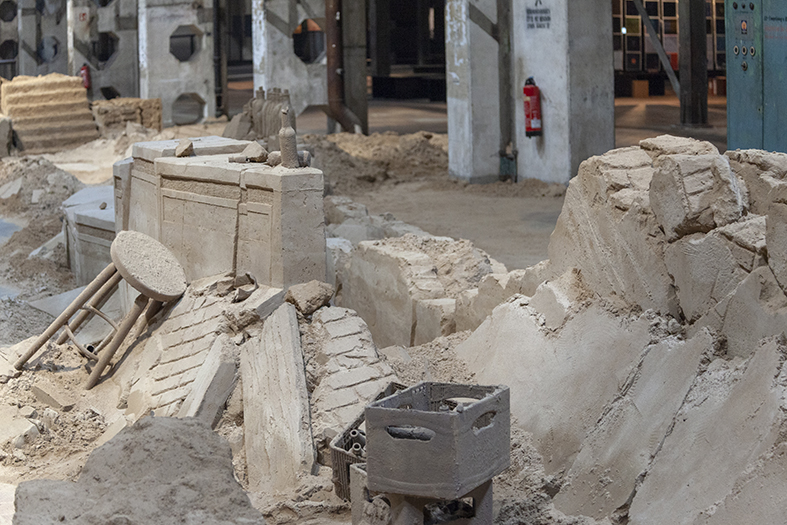
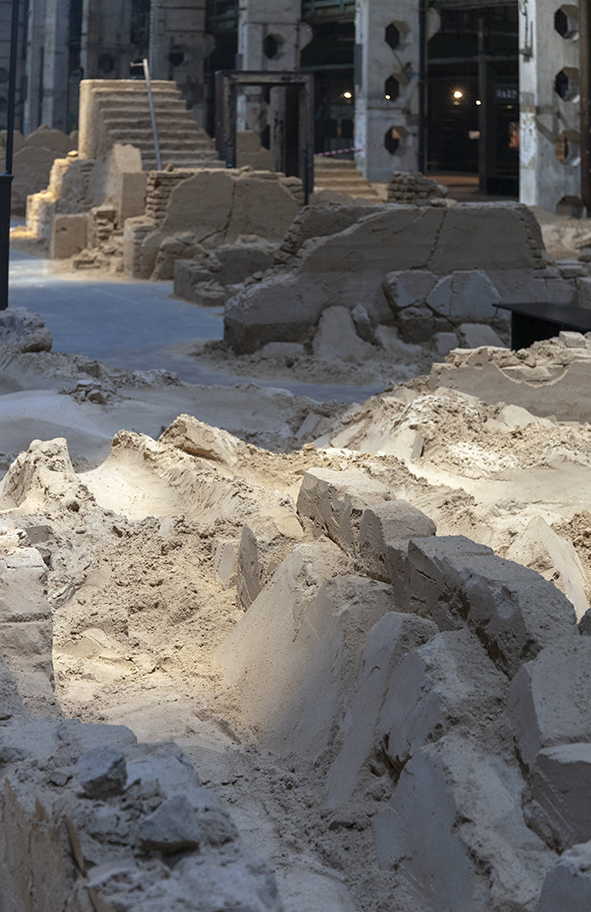

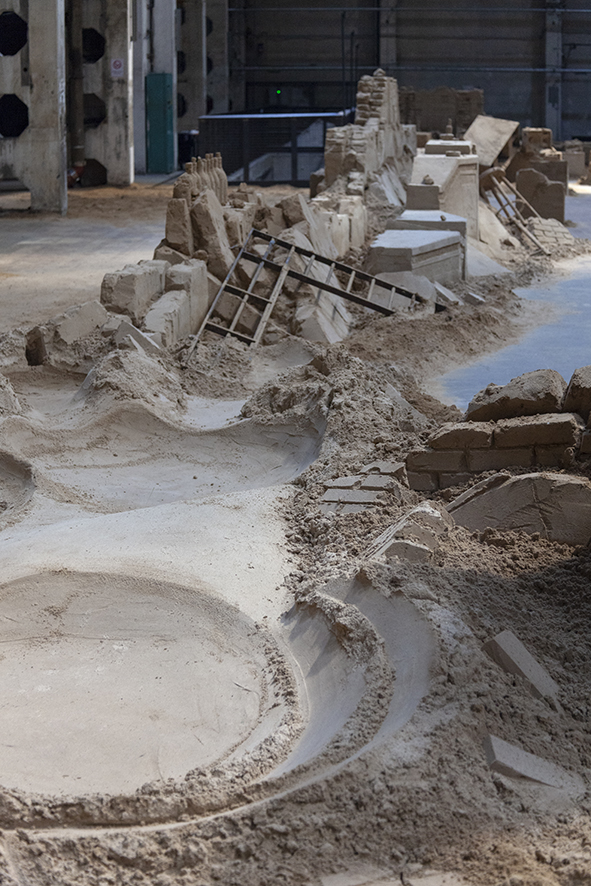
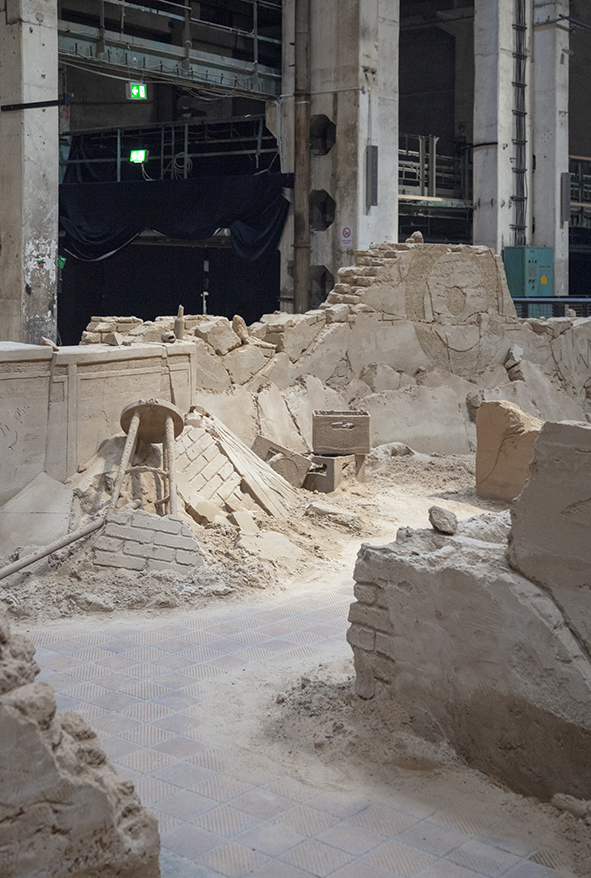


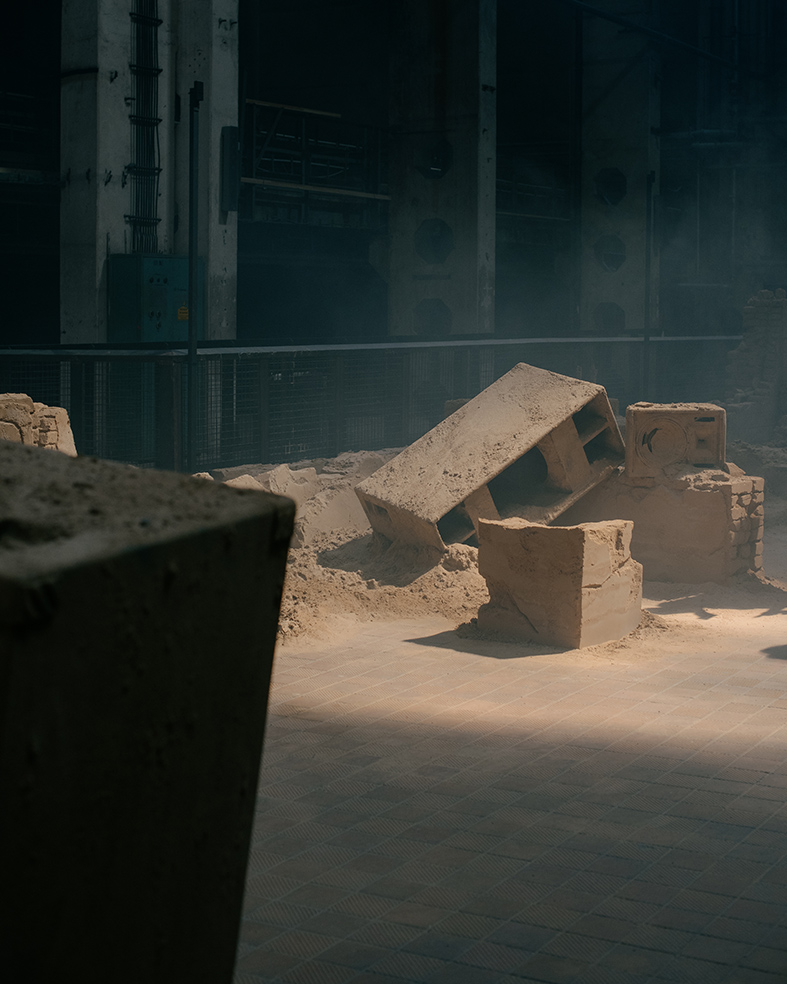



Title: STOMPING GROUNDS
Year: 2022
Artist: Anne de Vries (in collaboration)
Curators: Adriano Rosselli, Edessa Evelyn Malke
Researcher: Sven von Thülen (der Klang der Familie)
Sand Carvers: Bouke Atema, Jeroen Advocaat, Bob van der Wal
Sound Designers: Rowan Ben Jackson, Odysseas Constantinous
4D Sound Programming: Usomo
Location: Kraftwerk Berlin
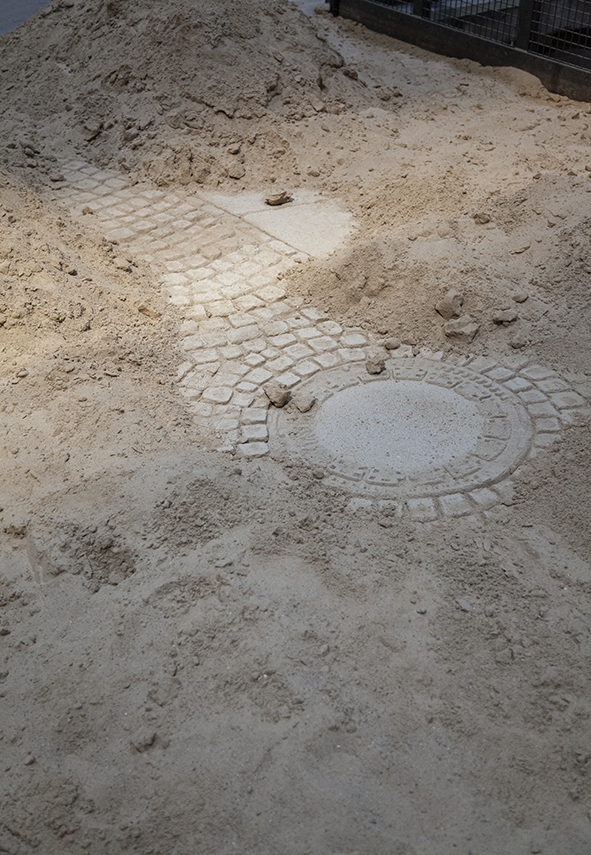
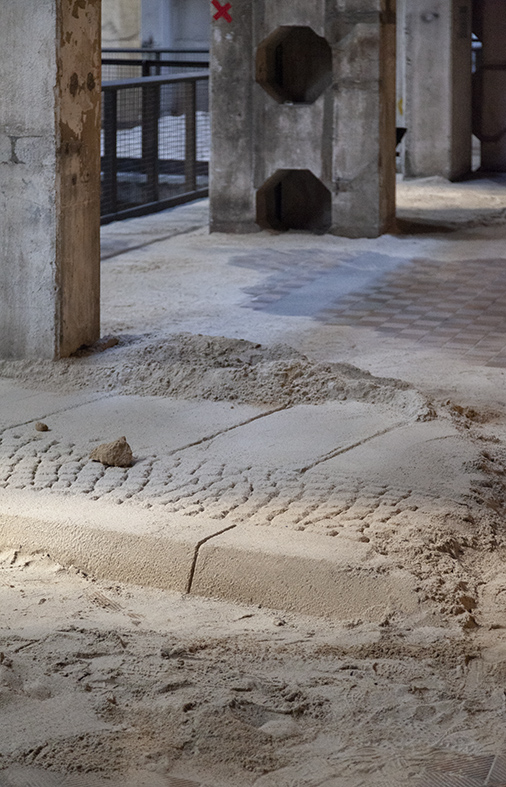
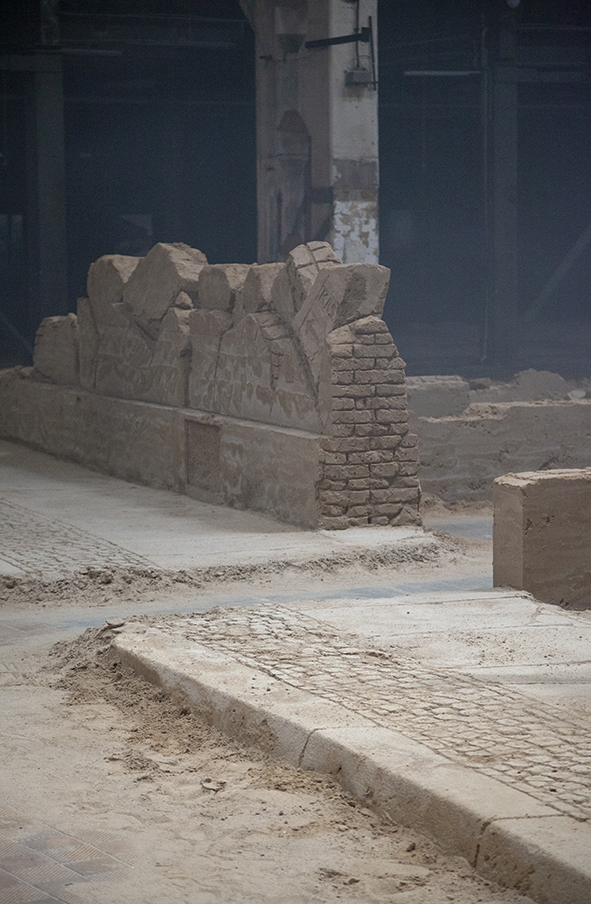
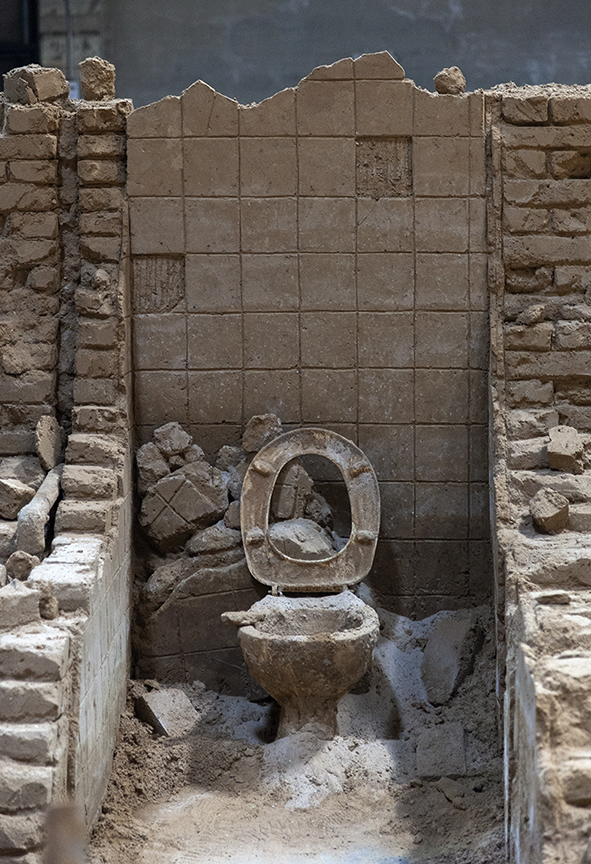
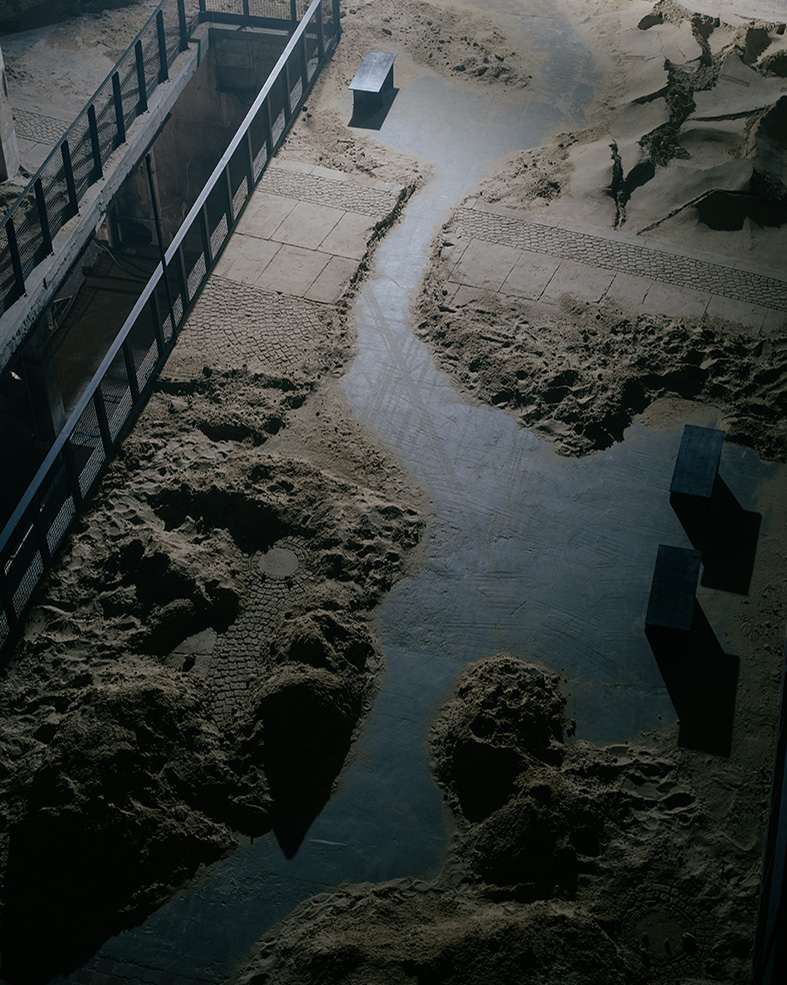
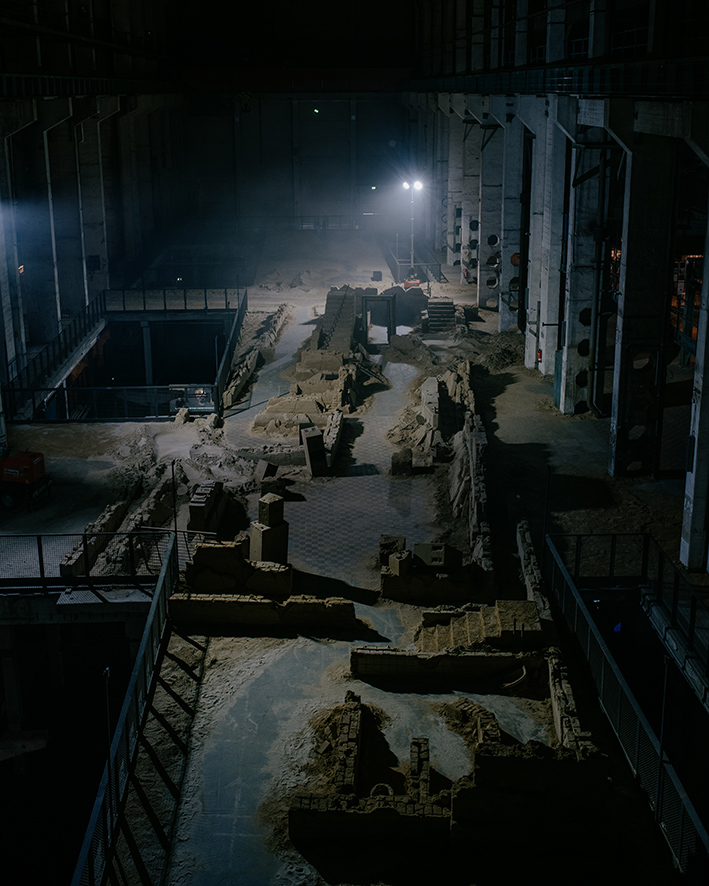
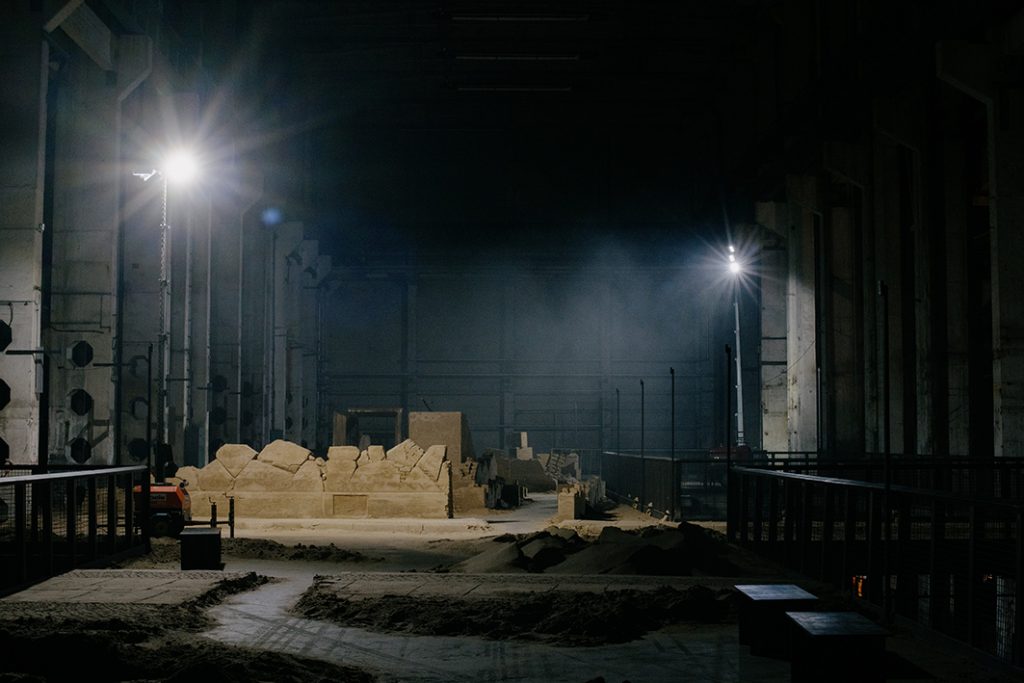
About: The art installation Stomping Grounds is a 1:1 replica made from sand of the giant gold vault underneath the Wertheim building, which after a turbulent history and the fall of the Berlin Wall in 1989 became the cradle of techno music from Detroit, Chicago, the UK, and Germany, known as Tresor.
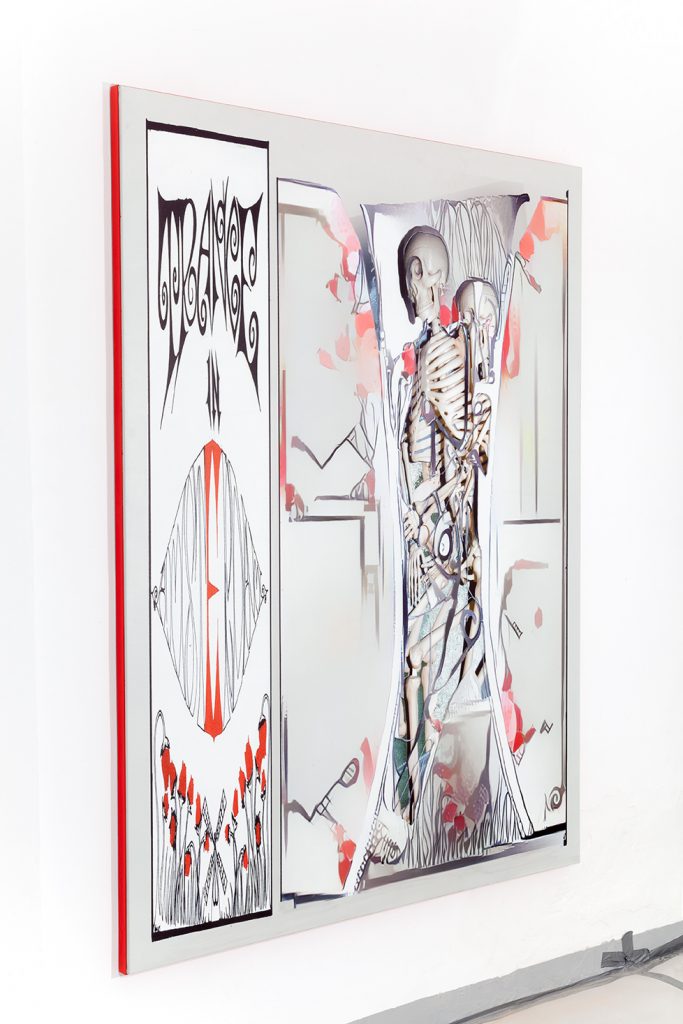
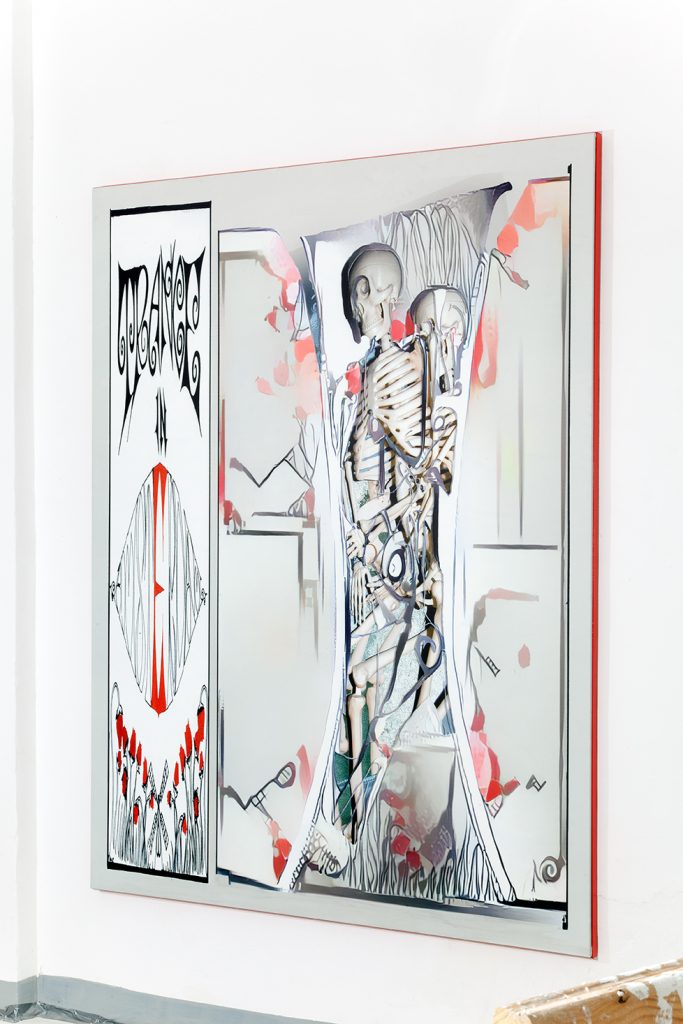
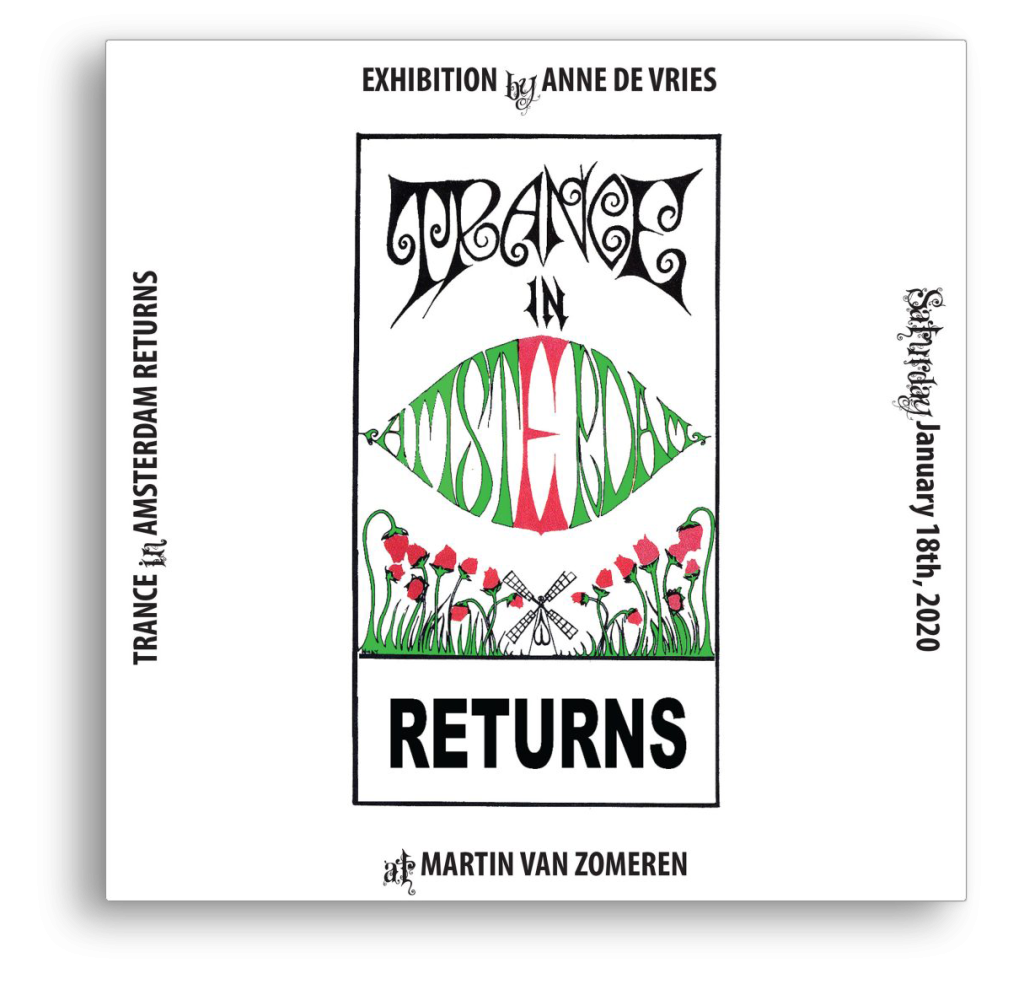
Title: Trance in Amsterdam – RETURNS
Artist: Anne de Vries
Year: 2020
Size: 201 x 151 x 3.5 cm
Materials: 380 g linen canvas, gesso, acrylic paint, oil paint, photography, AI-script, Epson UltraChrome K3 archival print, aluminum stretcher, aluminum artist frame with coating.


Title: Détournement 023
Artist: Anne de Vries
Year: 2020
Dimensions: 79 x 59 x 1.4 inch / 201 x 151 x 3.5 cm
Material: Cotton canvas 380 g, gesso, acrylic paint, photography, kierewiet logo, UV-print, aluminum stretcher.
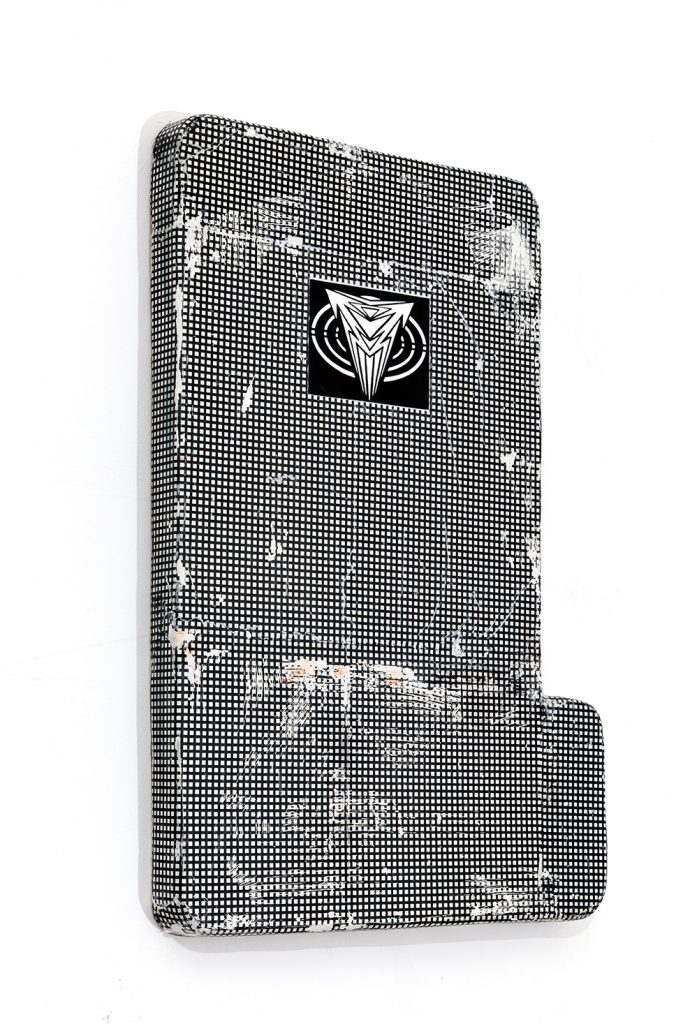

Title: T.A.Z.
Artist: Anne de Vries
Year: 2018
Dimensions: 85 x 56 x 5.5 cm / 33.5 x 22 x 2.2 inch
Materials: Chinese ink, acrylic paint, laser print transfer, gesso, narkotek logo, and hard polystyrene (XPS).


Title: Windy
Artist: Anne de Vries
Year: 2020
Dimensions: 200 × 150 cm
Materials and Techniques: Linen canvas (380g), gesso, acrylic paint, UV print.
Includes a photograph of trees near the Chelsea Piers, visual elements from The Rat God by Richard Corben (specifically, hands), and a rendered image of a Paris apartment by Bertrand Benoit. Mounted in an oakwood artist frame.

Title: Homo Machina
Artist: Anne de Vries
Year: 2020
Dimensions: 166 x 126 x 4 cm
Materials: 380g canvas, gesso, paint, photography, CGI, UV-print, aluminum artist frame.


Title: Anarchy in the Hive Mind
Artist: Anne de Vries
Year: 2020
Dimensions: 191 × 141 × 4.5 cm
Materials and Techniques: Linen canvas (380g), gesso, photographic imagery of flowers, cartoon bees and hornets, CGI, UV print.
Mounted on a double wooden stretcher with an aluminum artist’s frame.
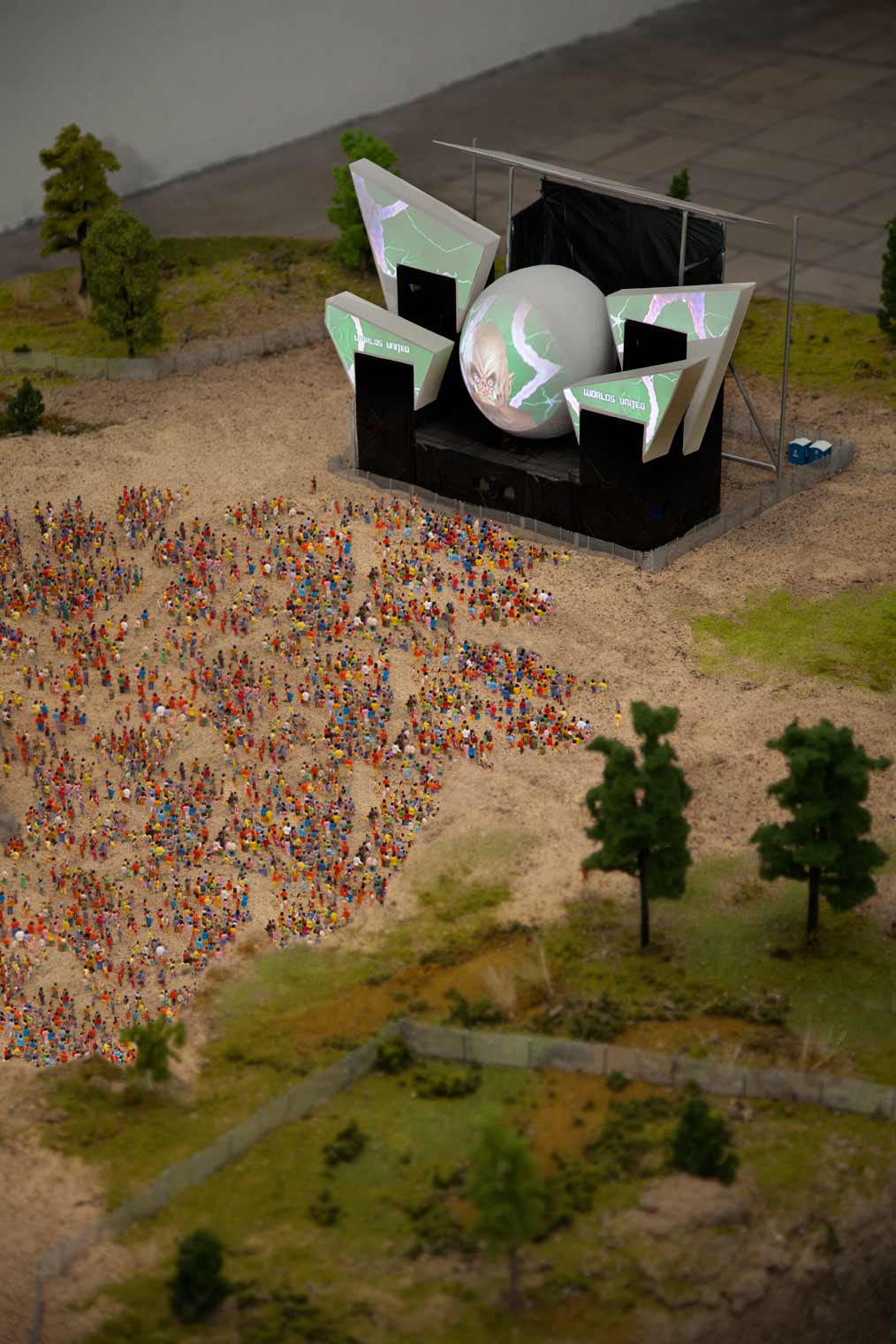

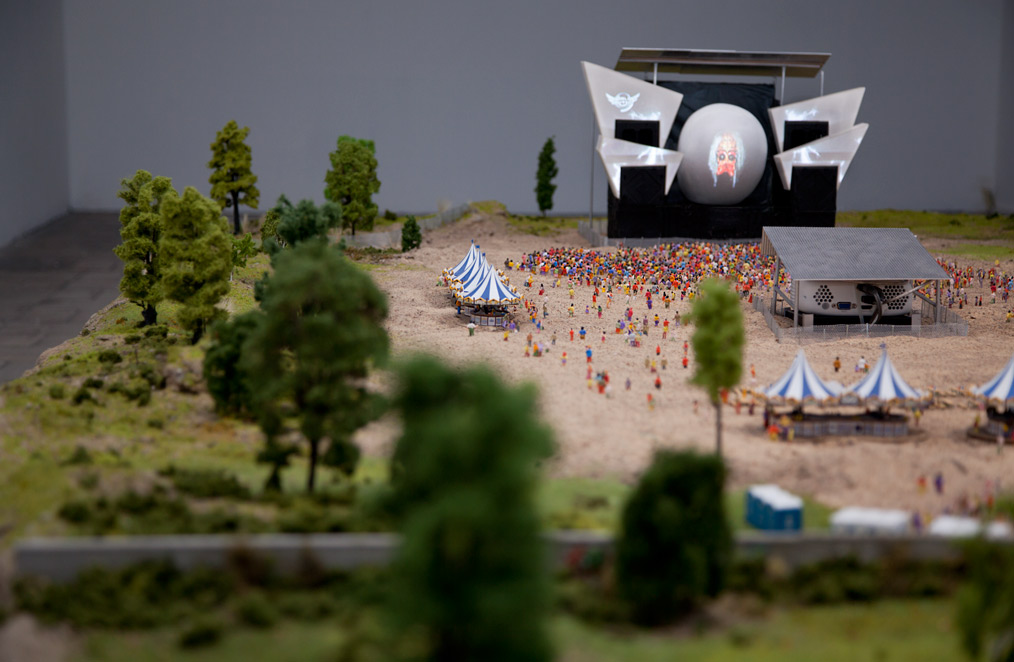
Title: Oblivion
Artist: Anne de Vries
Year: 2016 and 2018
Dimensions: 380 x 200 x 60 cm
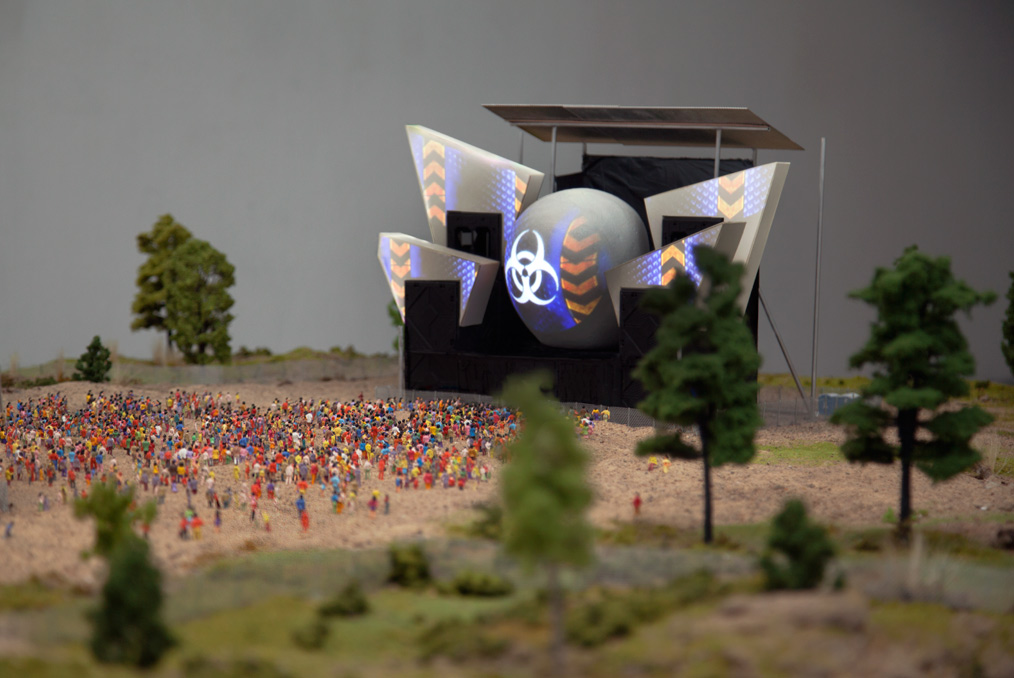
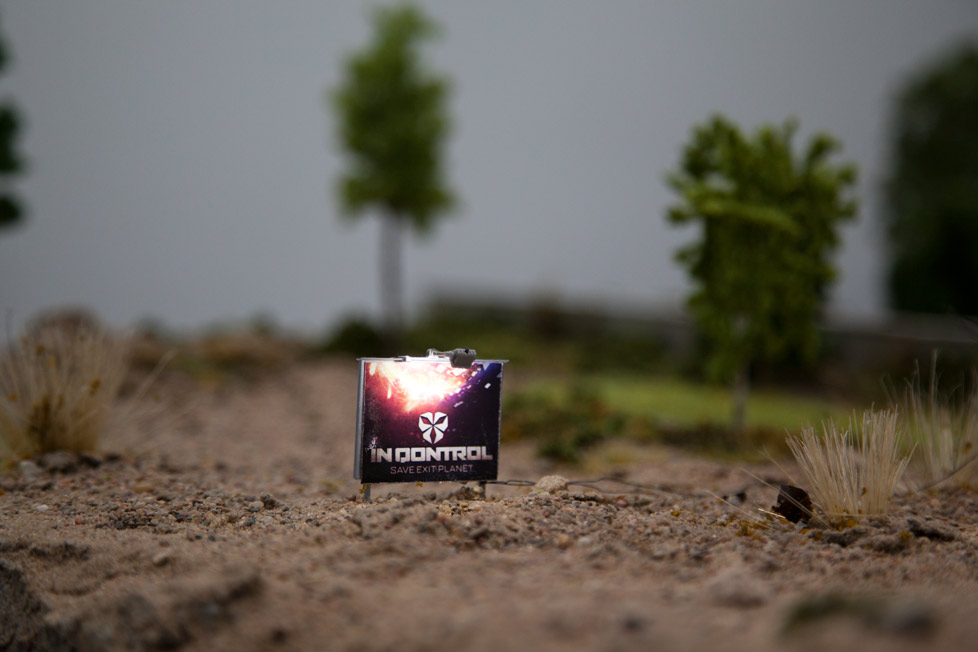
Materials: Sand, stones, wood, plastic, aluminum, paint, PVA, styrofoam, miniature advertisement campaign, miniature graffiti, miniature truss system, miniature LED projector, miniature Hi-Fi system.
About:
Oblivion is a hardstyle event diorama at a scale of 1:87, featuring several texts produced specifically for this installation.
Exhibition views from:
The 9th Berlin Biennale at KW in Berlin; Fries Museum in Groningen; KUMU Museum in Tallinn.
Read more about this project HERE in Flash Art Magazine.


Title: Salsa
Artists: Anne de Vries and Alberto De Michele
Year: 1999
Dimensions: Variable
Materials: Dancefloor with a sound sequence, and 5,000 packages of Mustard, Duck, and Soy Sauce placed on the floor to walk and dance on.
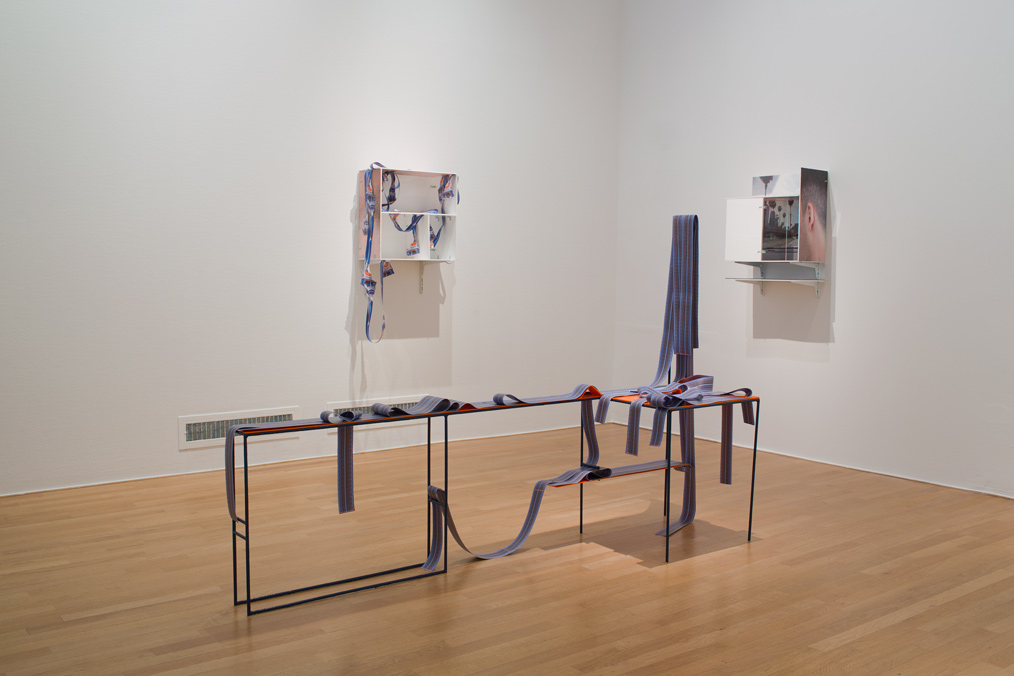


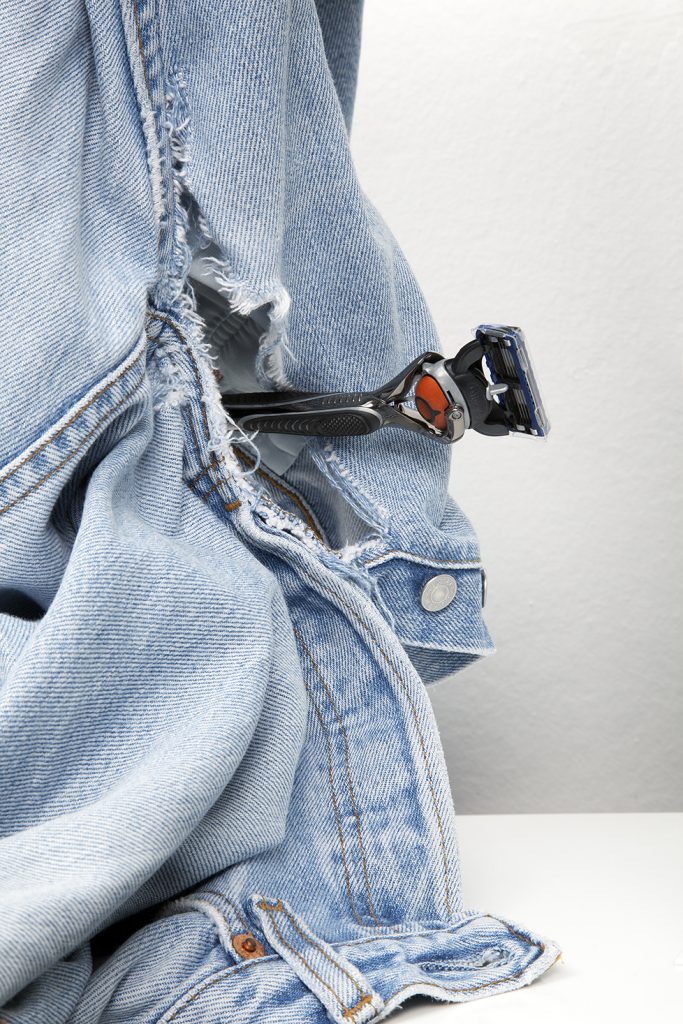


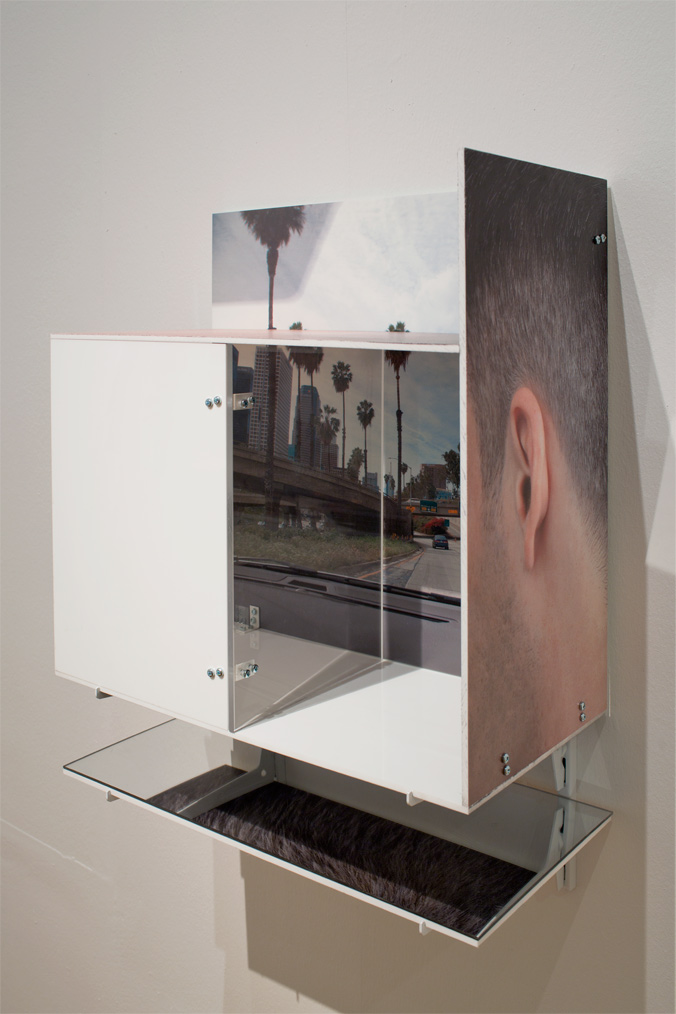


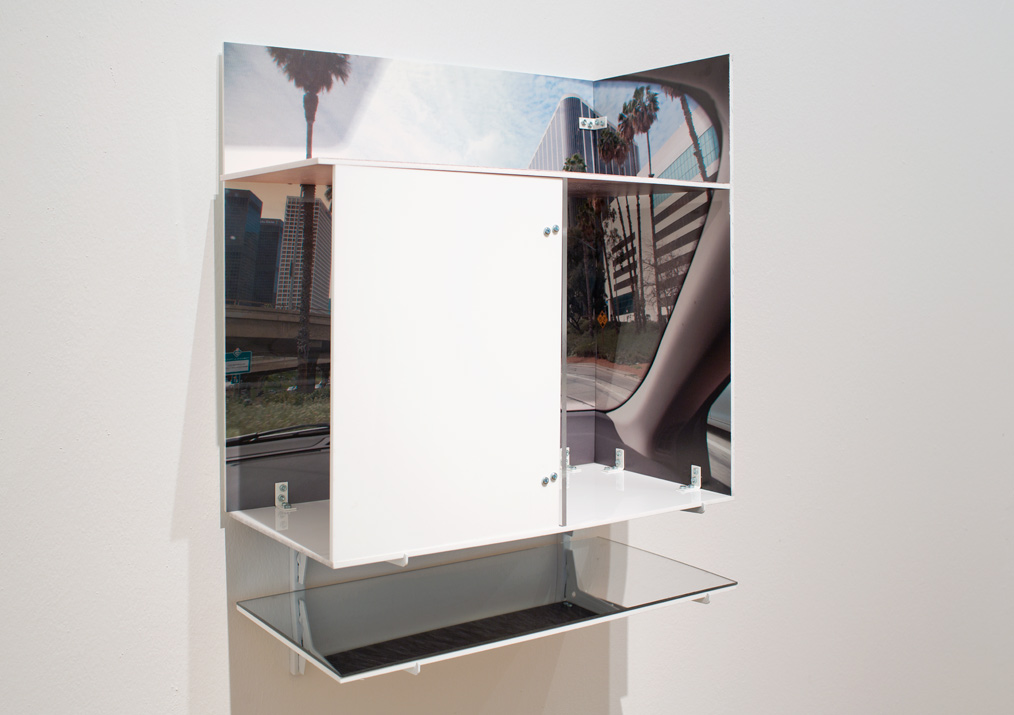

Title: GILLETTE’S VISION
Artist: Anne de Vries
Year: 2014
Dimensions: Various
Materials: Double-sided UV prints on Photo Forex, PVC, mirror, coated metal hanging system, screws, Gillette razors, clothing.
Documentation: E_MERGE solo exhibition at Foam Amsterdam
Conceptual Background:
This body of work engages The Dream of King Camp Gillette and his radical vision of a future urban society. Long before he became known for inventing the safety razor and founding a major industrial enterprise, King Camp Gillette (1855–1932) published books and pamphlets proposing a new economic and social order.
In The Human Drift, his first major tract, Gillette introduced the idea of “Metropolis,” a single, technologically advanced megacity designed to accommodate the entire population apart from agricultural and rural labor. He conceived this city as a centralized and fully integrated system, constructed through modern materials and governed by “The United Company,” an all-encompassing organization responsible for producing and distributing the necessities of life.
While often associated with utopian literature such as Edward Bellamy’s Looking Backward, Gillette’s proposal exceeds literary speculation. It advances a sincere and highly idiosyncratic model of urban and social engineering. “Metropolis” thus emerges as a verbal prototype for an industrial future defined by total organization, efficiency, and control.
Artistic Approach:
The work draws on photographs of Gillette shaving products, transforming them into sculptural forms and layered visual structures. In doing so, it connects Gillette’s utopian urban vision to the sleek industrial design language of his shaving systems.


Title: Interface – Downstairs
Artist: Anne de Vries
Year: 2014
Dimensions: 164 × 124 cm
Materials: Two digital prints on Photo Forex sheets with CNC cut-outs; painted wooden frame
About:
Interface explores the relationship between observation and thought, and considers how the exchange between the two might be visualized. Developed in relation to early discussions around artificial intelligence, the work reflects on attempts to model and clarify the often complex processes through which reality is perceived and understood.
The project also engages with the history of photography and its claim to document reality. By using photography to suggest perception as fragmented, layered, and non-linear, the work challenges ideas of photographic clarity and objectivity, proposing instead an experience of the world that is subjective, composite, and constructed.
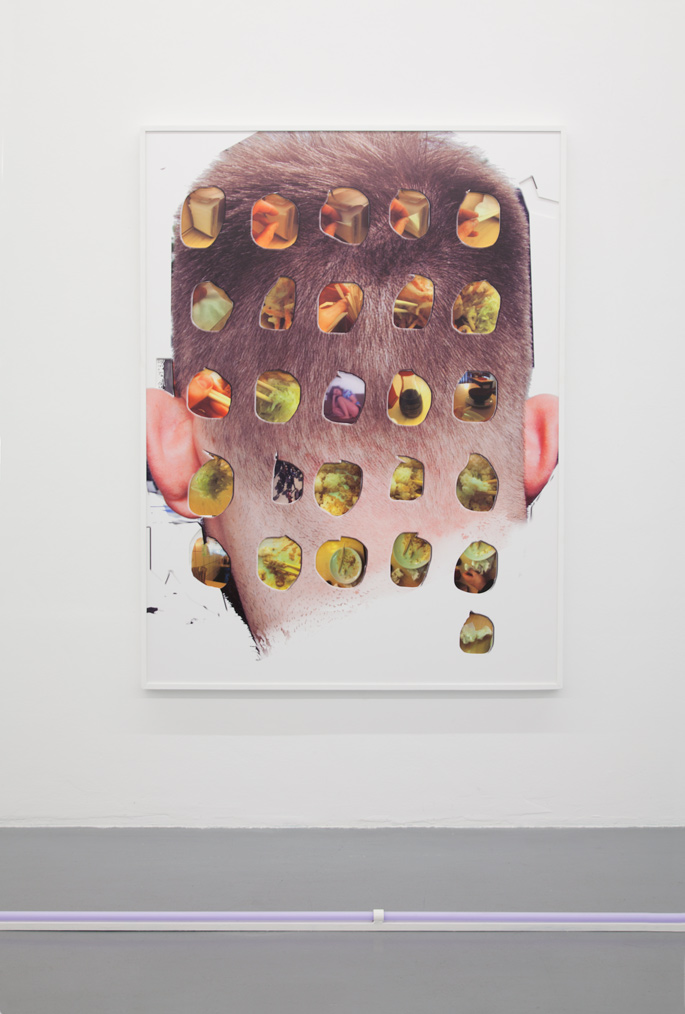

Title: Interface – Musashi
Artist: Anne de Vries
Year: 2014
Dimensions: 164 × 124 cm
Materials: Two digital prints on Photo Forex sheets with CNC cut-outs; painted wooden frame
About:
Interface explores the relationship between observation and thought, and considers how the exchange between the two might be visualized. Developed in relation to early discussions around artificial intelligence, the work reflects on attempts to model and clarify the often complex processes through which reality is perceived and understood.The project also engages with the history of photography and its claim to document reality. By using photography to suggest perception as fragmented, layered, and non-linear, the work challenges ideas of photographic clarity and objectivity, proposing instead an experience of the world that is subjective, composite, and constructed.


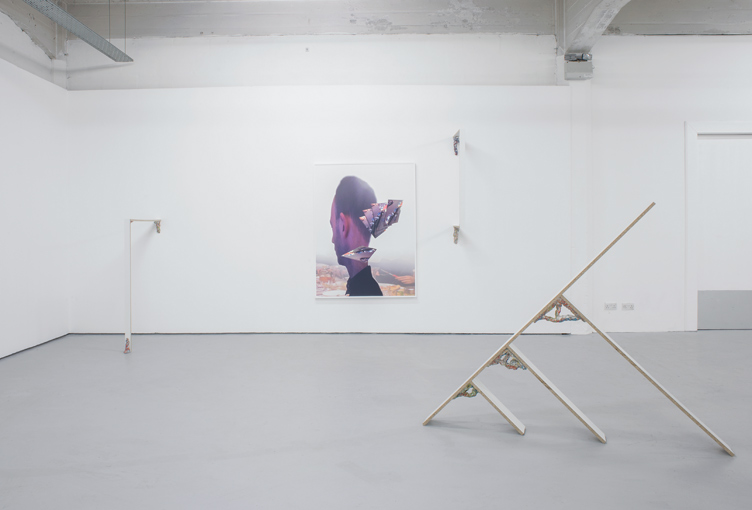
Title: Interface – Il Casolare
Artist: Anne de Vries
Year: 2014
Dimensions: 164 × 124 cm
Materials: Two digital prints on Photo Forex sheets with CNC cut-outs; painted wooden frame
About:
Interface explores the relationship between observation and thought, and considers how the exchange between the two might be visualized. Developed in relation to early discussions around artificial intelligence, the work reflects on attempts to model and clarify the often complex processes through which reality is perceived and understood. The project also engages with the history of photography and its claim to document reality. By using photography to suggest perception as fragmented, layered, and non-linear, the work challenges ideas of photographic clarity and objectivity, proposing instead an experience of the world that is subjective, composite, and constructed.

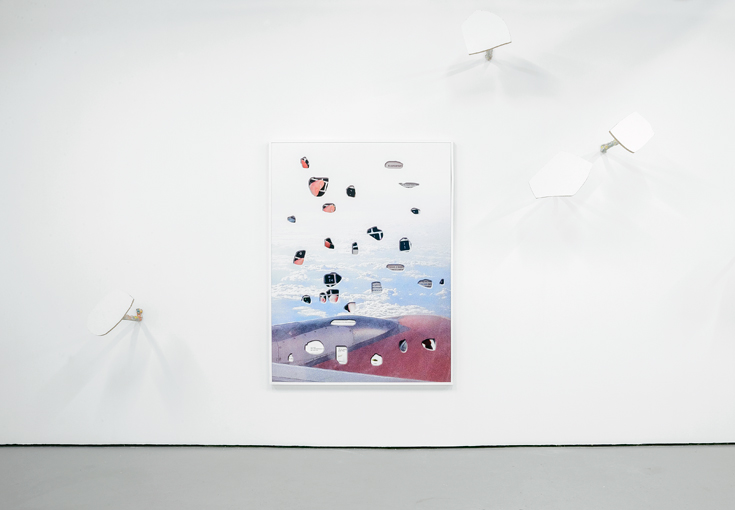
Title: Interface – Easy Jet
Artist: Anne de Vries
Year: 2014
Dimensions: 164 × 124 cm
Materials: Two digital prints on Photo Forex sheets with CNC cut-outs; painted wooden frame
About:
The Interface project is shaped by an interest in thought, observation, and how the constant exchange between the two might be visualized. This inquiry emerged alongside broader technological concerns of the time, particularly in the early days of A.I., when the tech world was increasingly trying to model and make legible the complex cognitive processes through which we perceive and understand reality.
The work also engages with the history of photography and its longstanding investment in documenting “reality.” By using photography to visualize perception as fragmented, layered, and non-linear, the project questions ideas of photographic clarity and objectivity, suggesting instead that our experience of the world may be closer to painting: subjective, composite, and constructed.


Title: Mind Manager
Artist: Anne de Vries
Year: 2013
Dimensions: 200 × 65 × 175 cm
Materials: Stainless steel, digital monochrome print on milled plexiglass.


Title: Air Gap Hold On
Artist: Anne de Vries
Year: 2012
Dimensions: 117 × 60 × 8 cm
Materials: Stainless steel; digital print on towel; digital print on plastic
About:
The title refers to the concept of an air gap in both plumbing and networking contexts. In plumbing, an air gap is the unobstructed vertical space between a water outlet and the flood level of a fixture, preventing contaminated water from flowing back into the potable water system. In networking, an air gap is a security measure that physically isolates secure computer networks from insecure ones—such as the public internet—to prevent unauthorized data flow. The work reflects on ideas of separation, protection, and control.


Title: The Dike Story
Artist: Anne de Vries
Year: 2003
Dimensions: 117 × 70 × 85 cm
Materials: Video projection on laminated wooden sculpture
ABOUT
Anne de Vries is a multi-disciplinary artist whose practice encompasses video installations, dioramas, sculpture, mixed-media collage, photography, publications, and interventions. His work unfolds as a labyrinth of interconnected narratives that draw from popular culture, subcultural iconographies, and self-invented characters and motifs. Central to his practice is the notion of interconnectivity between differently perceived realities, producing hybrid forms that resist singular classification. De Vries’ artworks invite viewers to renegotiate the hidden narratives or latent functions of objects and images, foregrounding the processes through which meaning is constructed in contemporary art and visual culture.