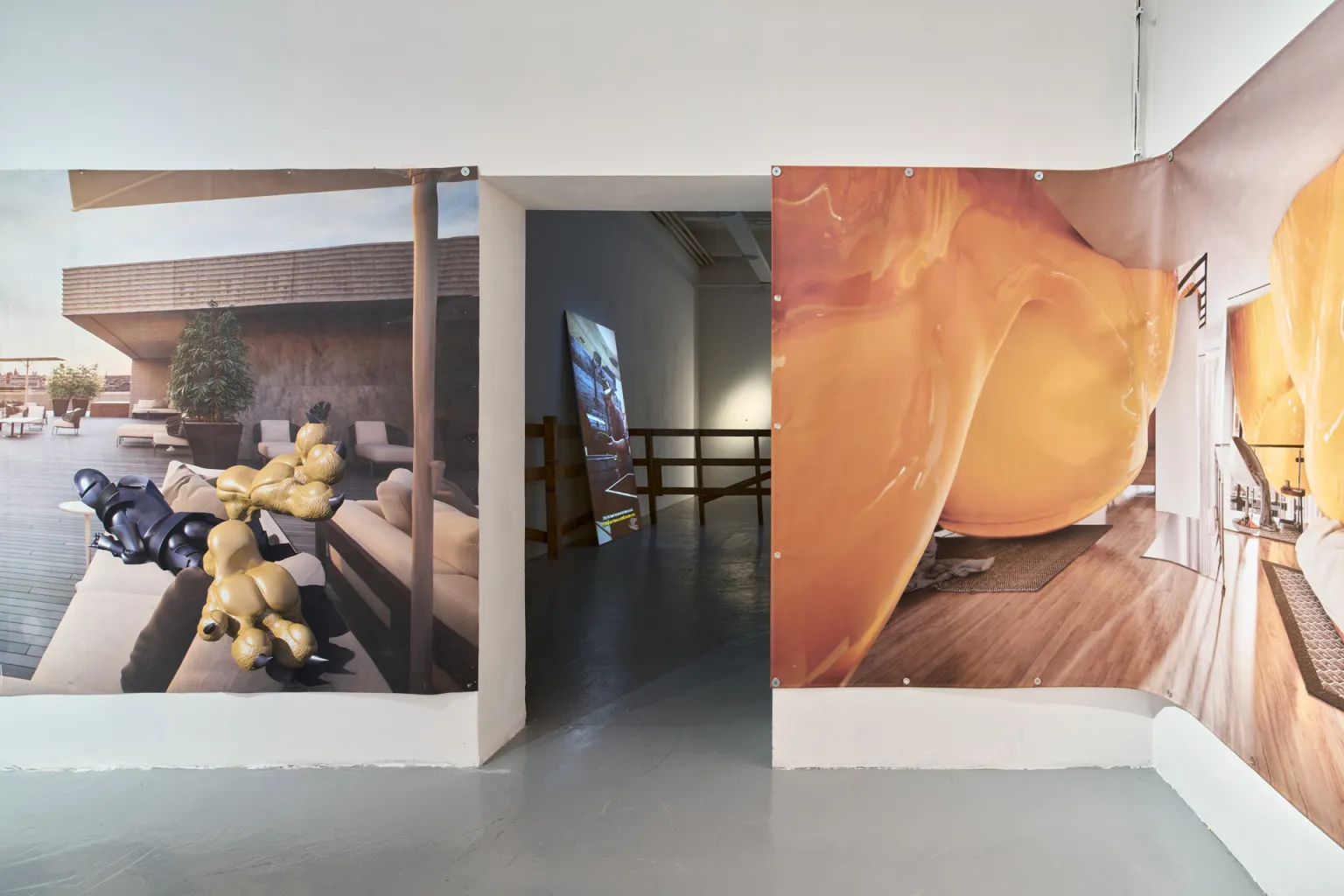
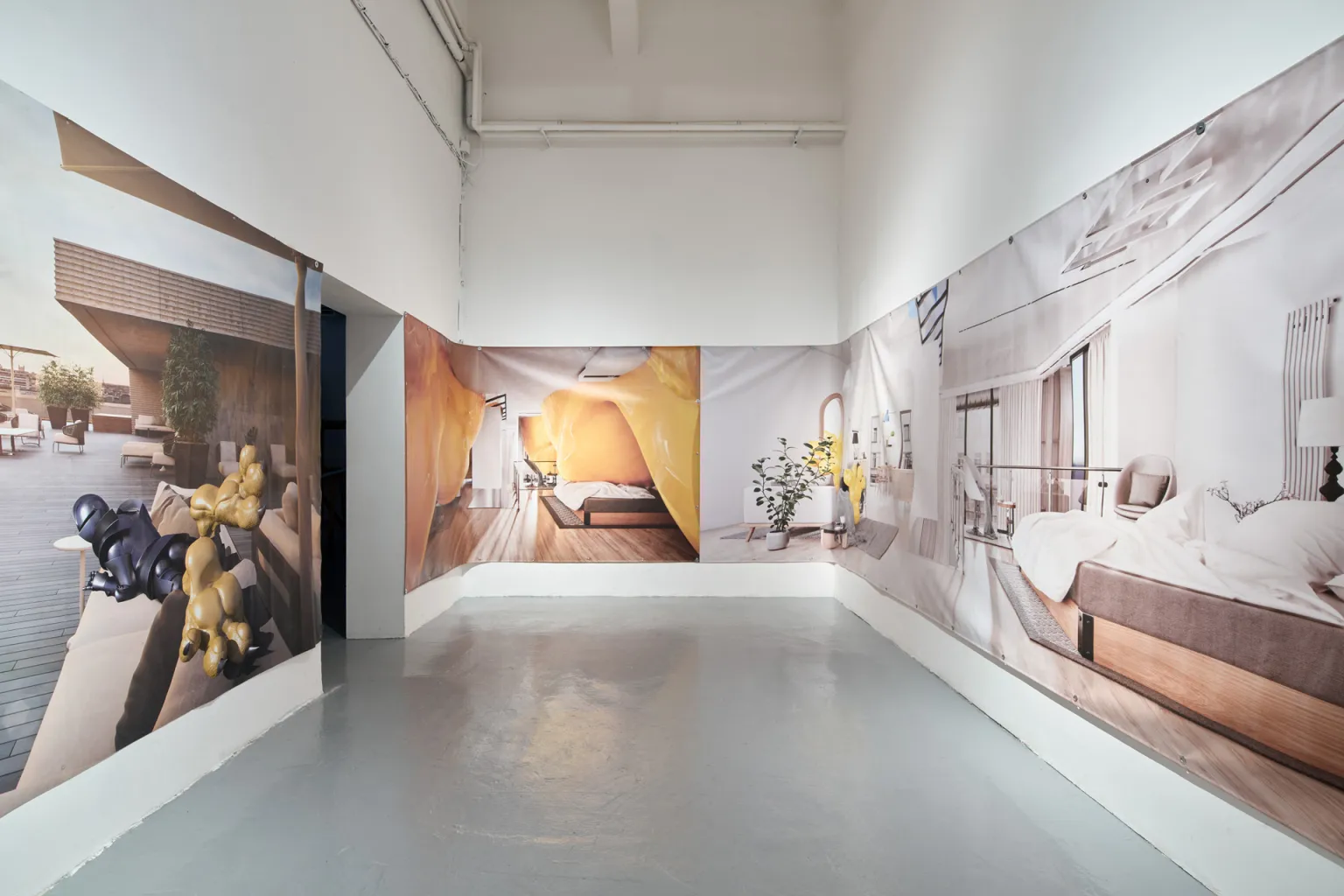
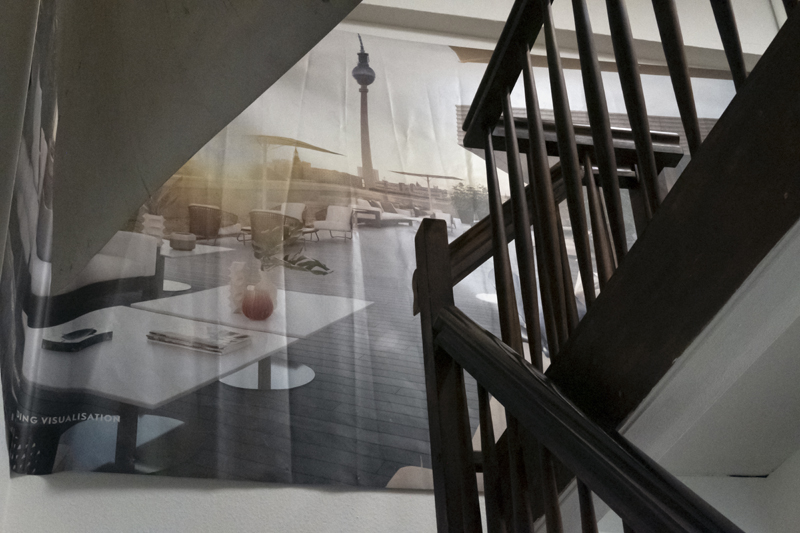
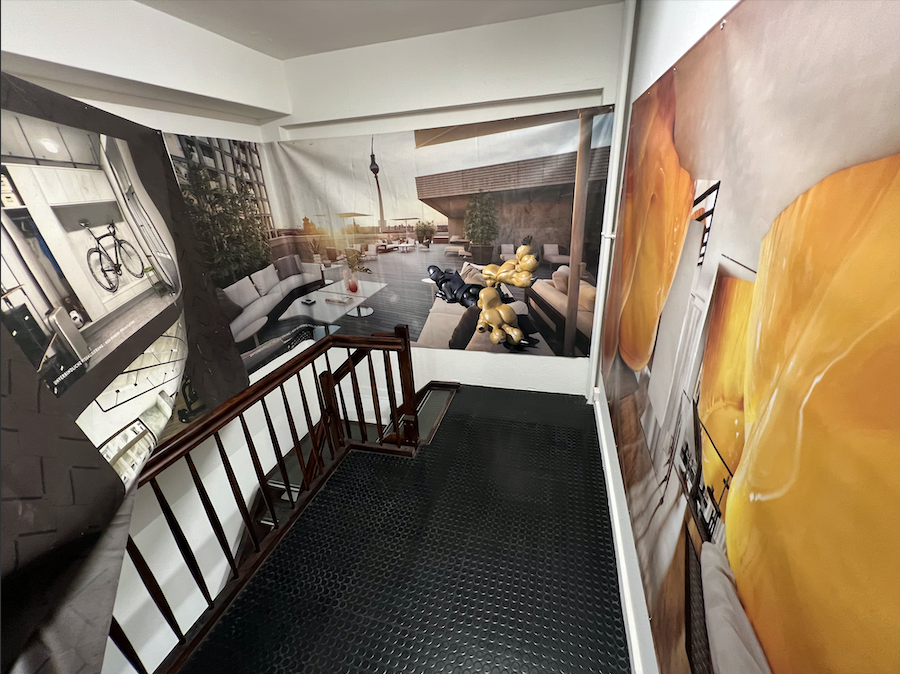
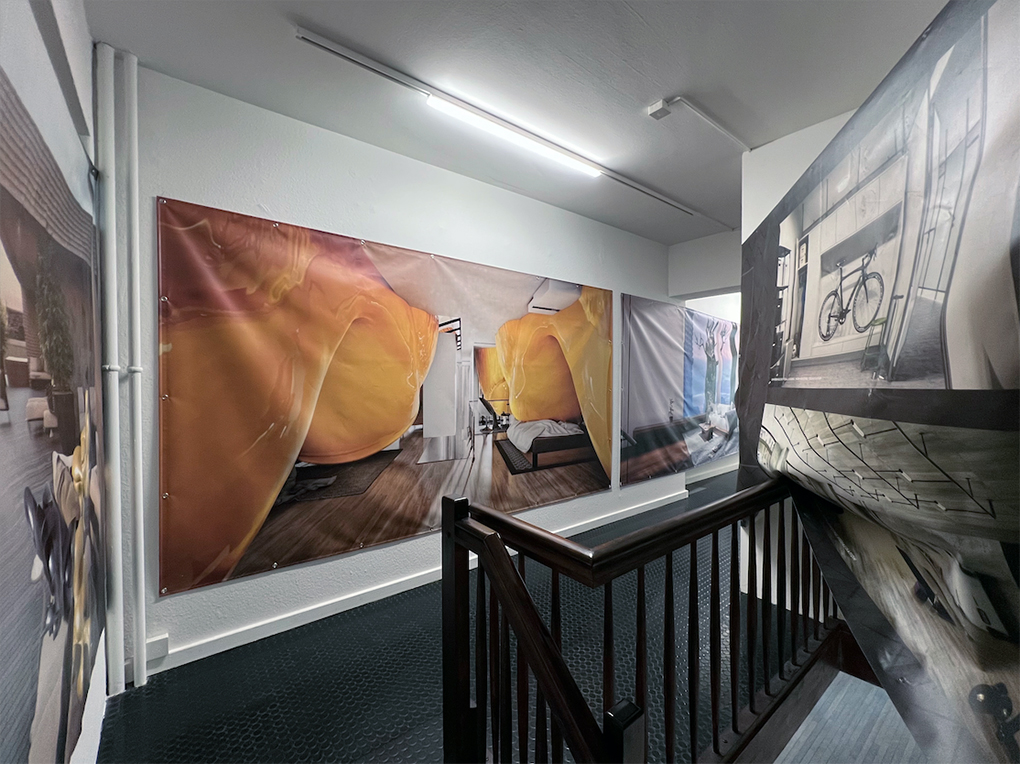
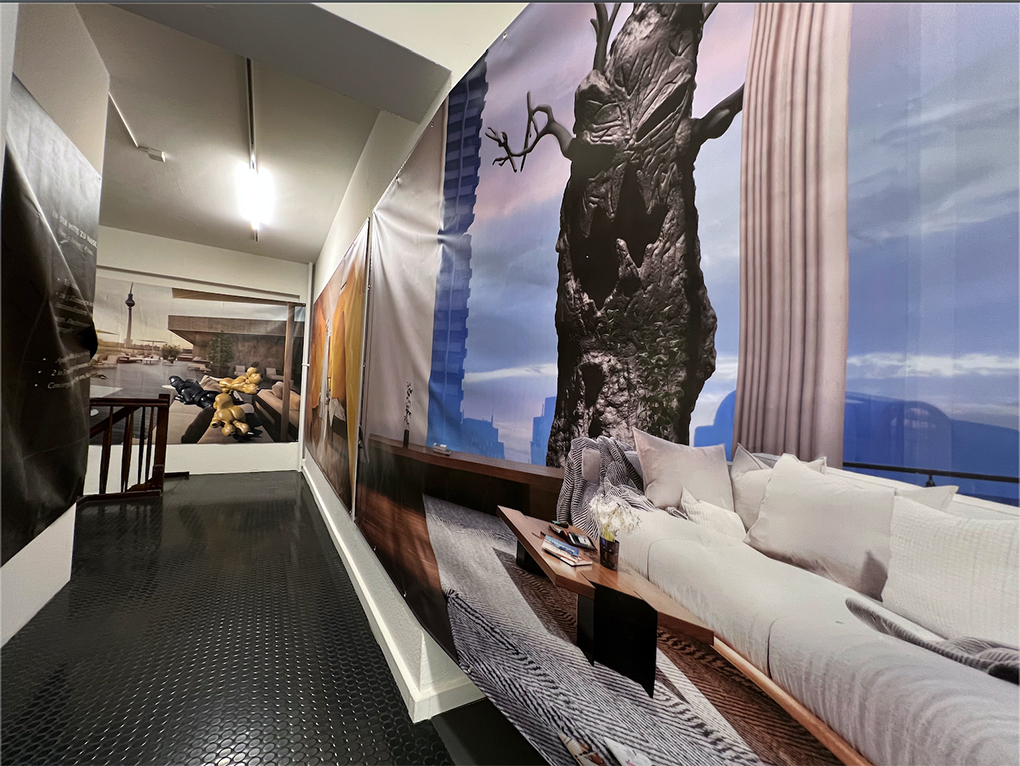
Title:Today’s Dream, Tomorrow’s Haunt Artist: Anne de Vries Year: 2025
Dimensions: Variable, immersive Materials: CGI renders, UV prints on PVC
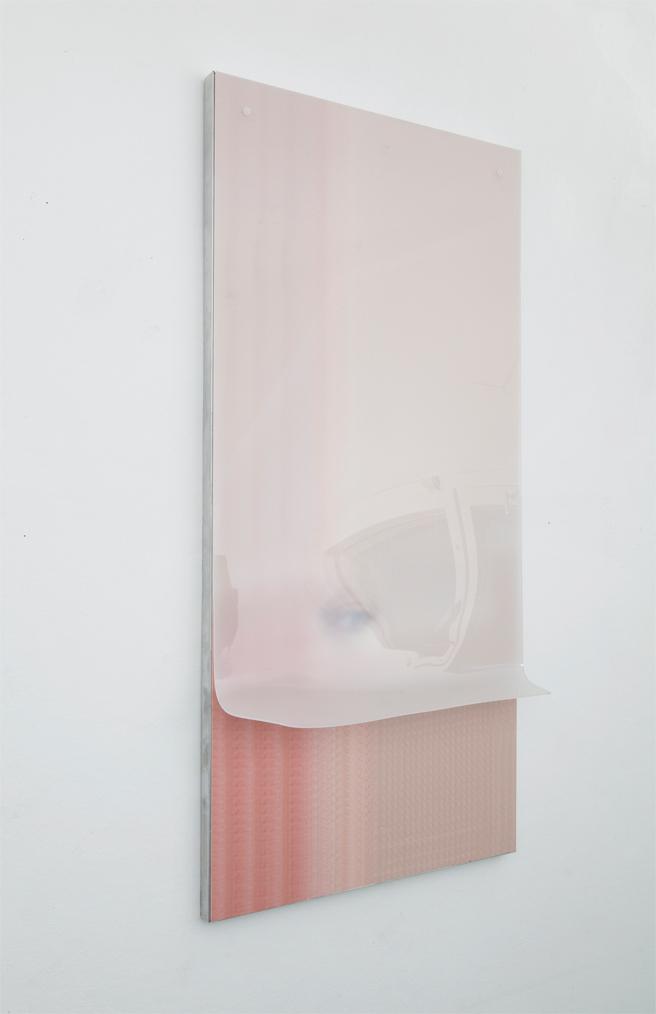
Description: By repurposing banners typically used as visualisations, around construction sites, the work builds on the illusions embedded in development imagery—visualizing projected architecture and lifestyles for a near future.
Credits: CGI renders produced in collaboration with Leonardo Reuvenkamp. Exhibition views from: Meet Factory Prague, and Blue Velvet Projects Zürich.
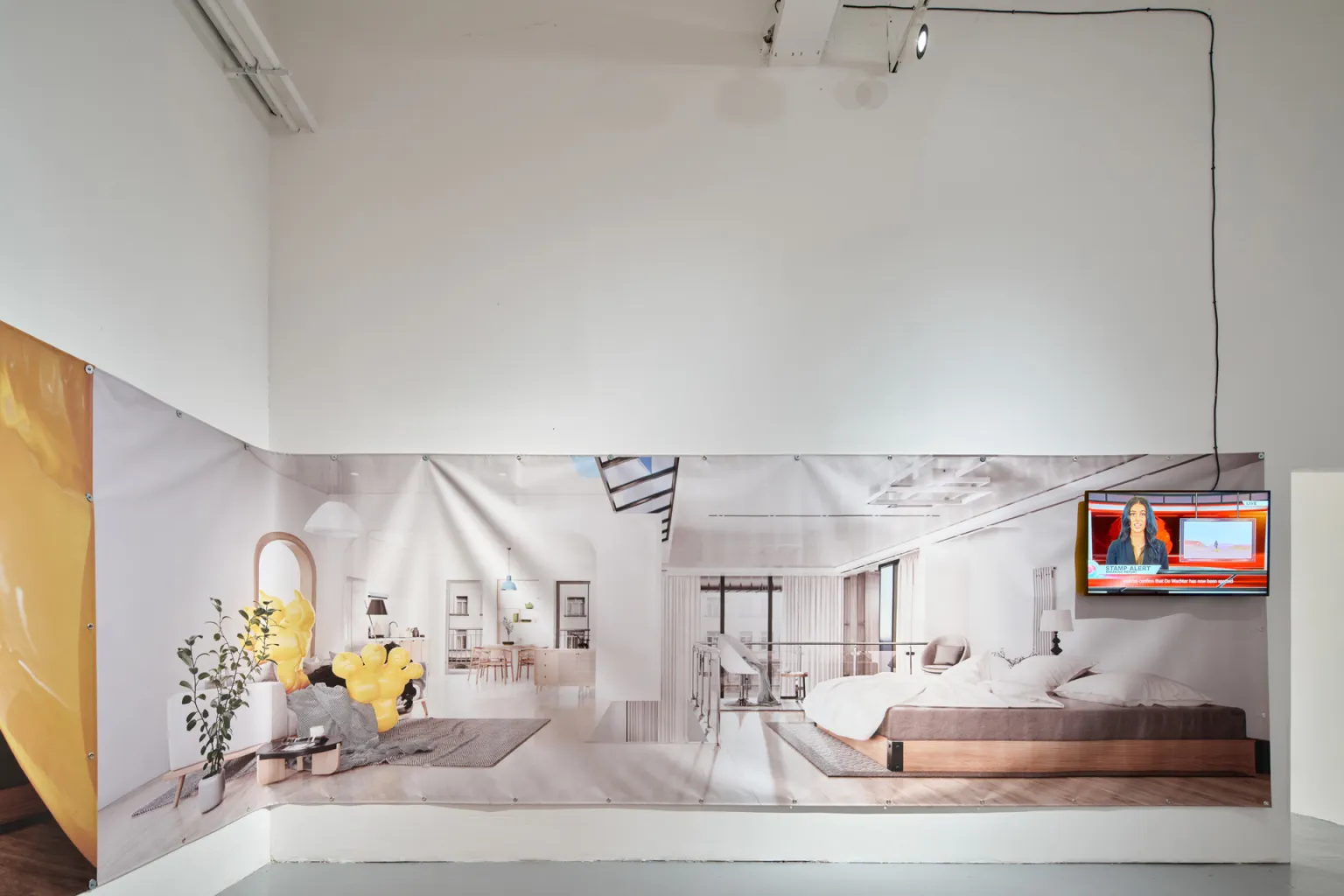
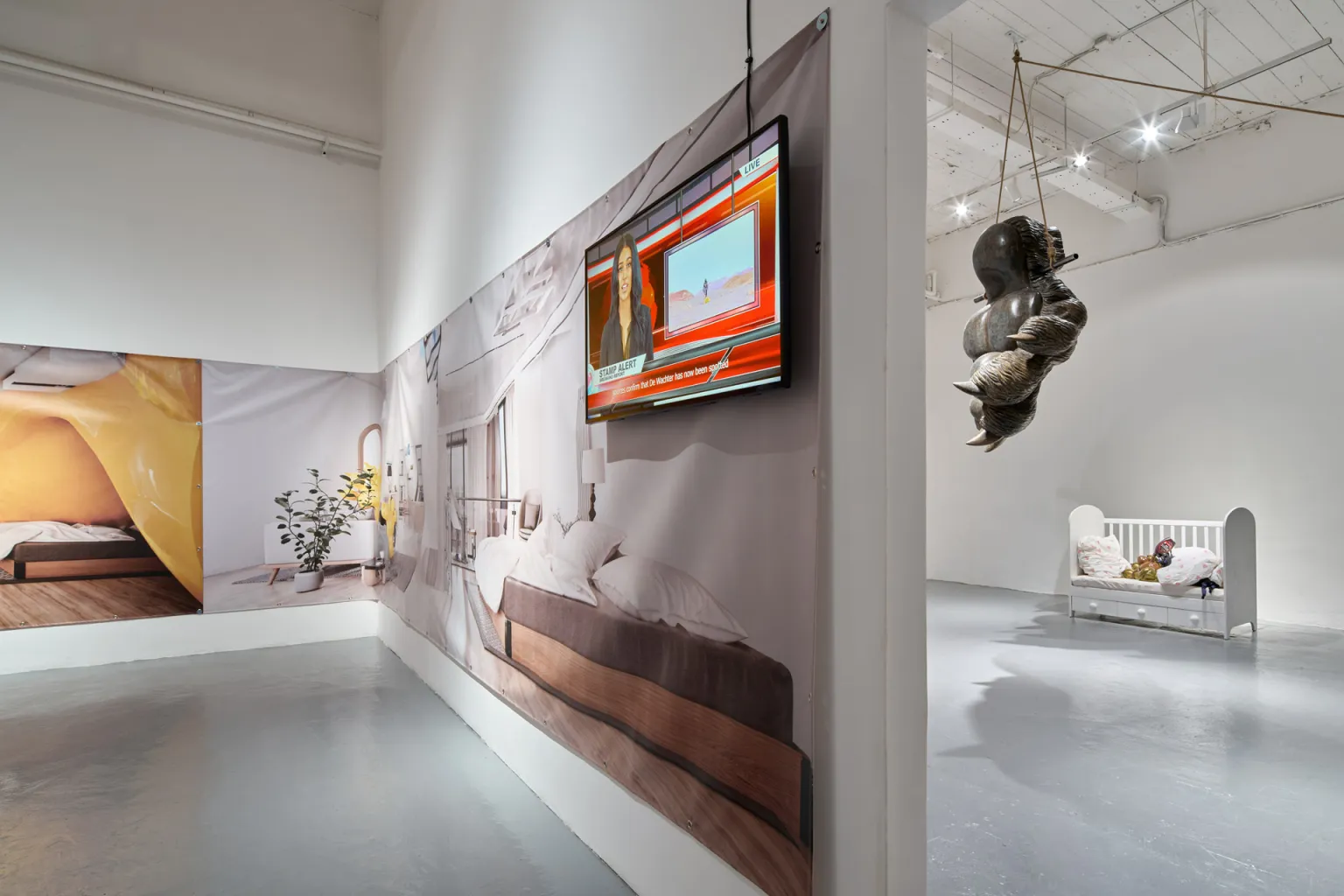
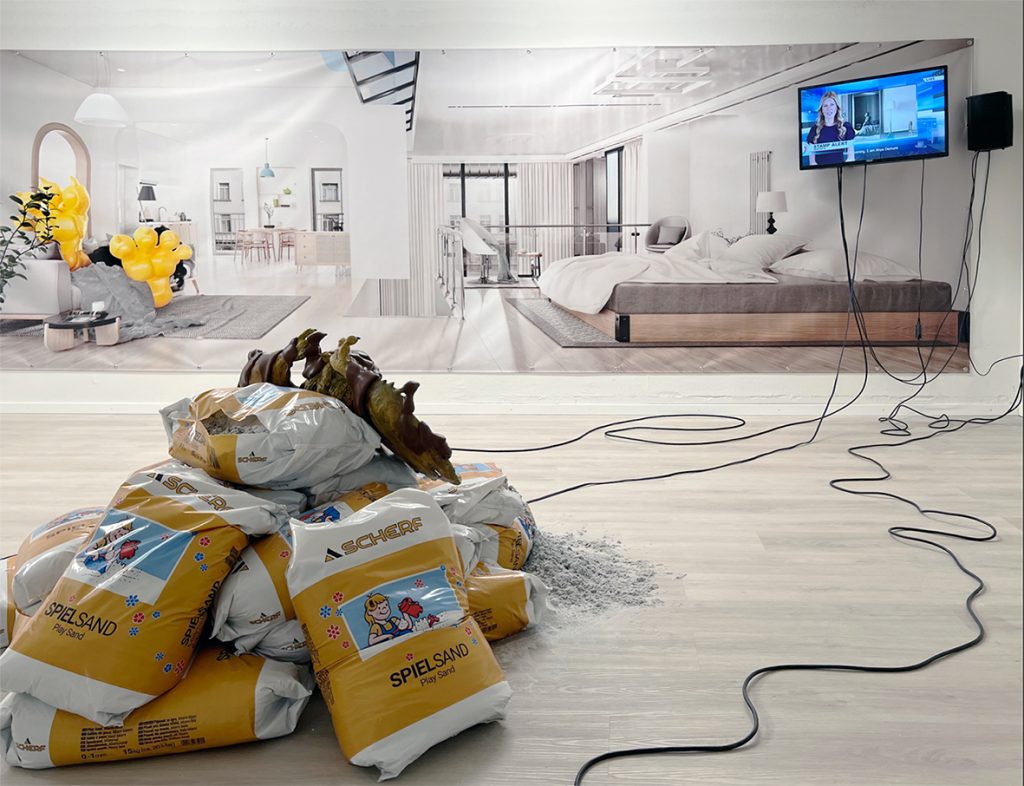
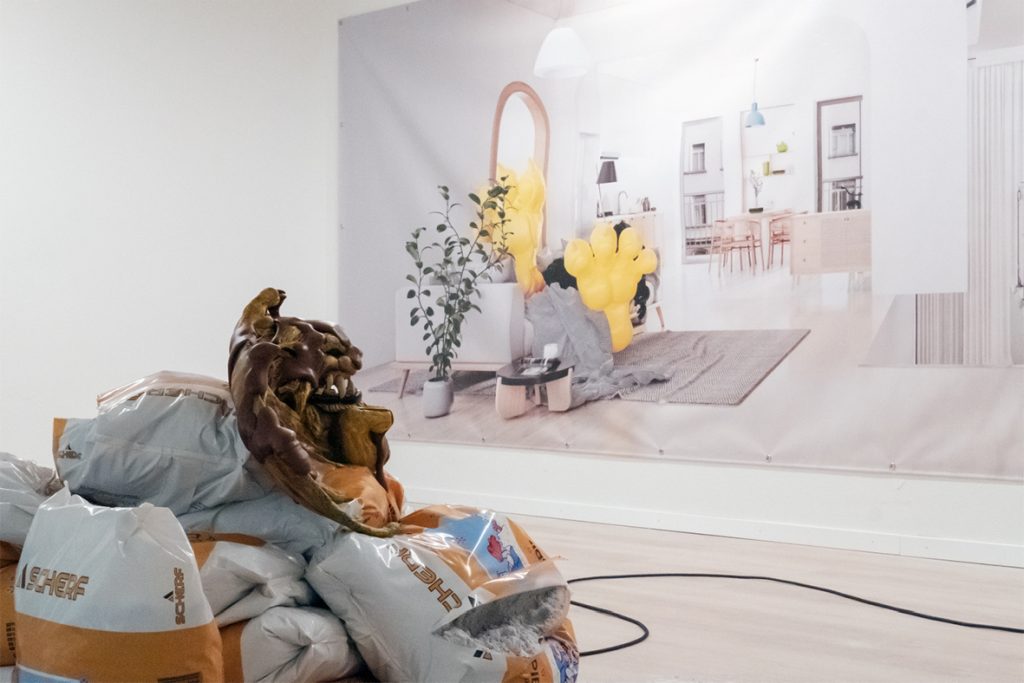
Title:STAMP ALERT – Connecting The Dots Year: 2025 Artist: Anne de Vries
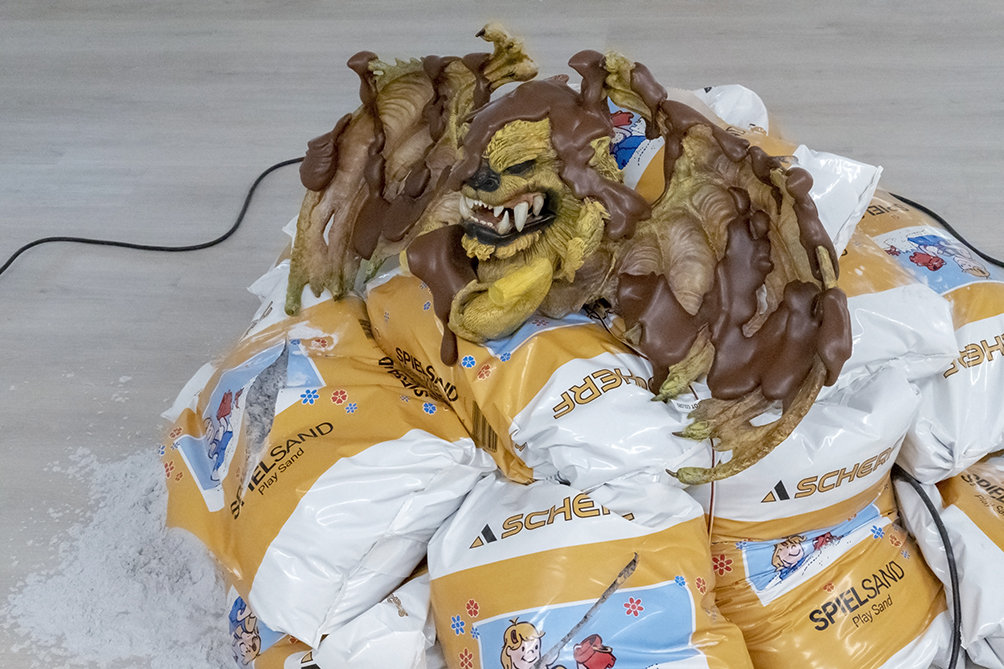
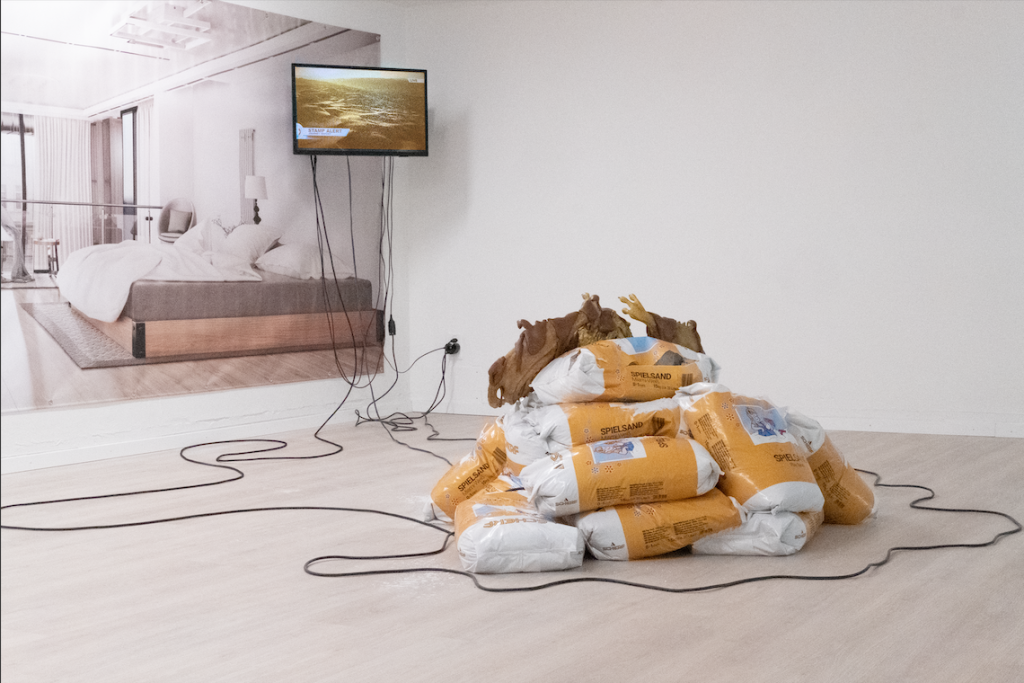
Description: An immersive installation exploring themes of media and constructed realities through a combination of animatronics, video, and large-scale printed visuals.
Installation Components:
Video:
Duration: 22 minutes
Format: 4K with sound
Description: A fictional news channel titled STAMP ALERT, streamed on an LCD screen and presented by Anya Demure. The video blends fact and fiction, creating a commentary on media narratives.
Contributors: Mansur Suri (main actor), Leonardo Reuvenkamp (3D animator)
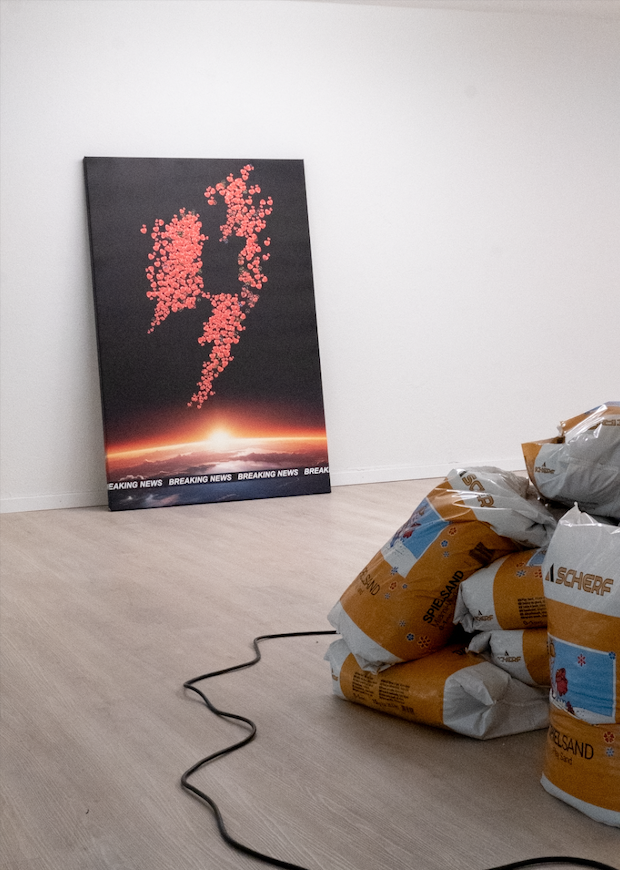
Banner PVC & Stretched Canvas:
Dimensions PVC: 580 cm x 200 cm
Dimensions Canvas: 150 cm x 100 cm
Material: UV print on PVC and UV print, and stretched Canvas, Gesso prime, 460gram, UV protection.
Description: A life-sized CGI-rendered virtual apartment, printed on PVC and reminiscent of architectural renders commonly seen on construction sites in urban environments.
Contributor: Leonardo Reuvenkamp
Animatronics:
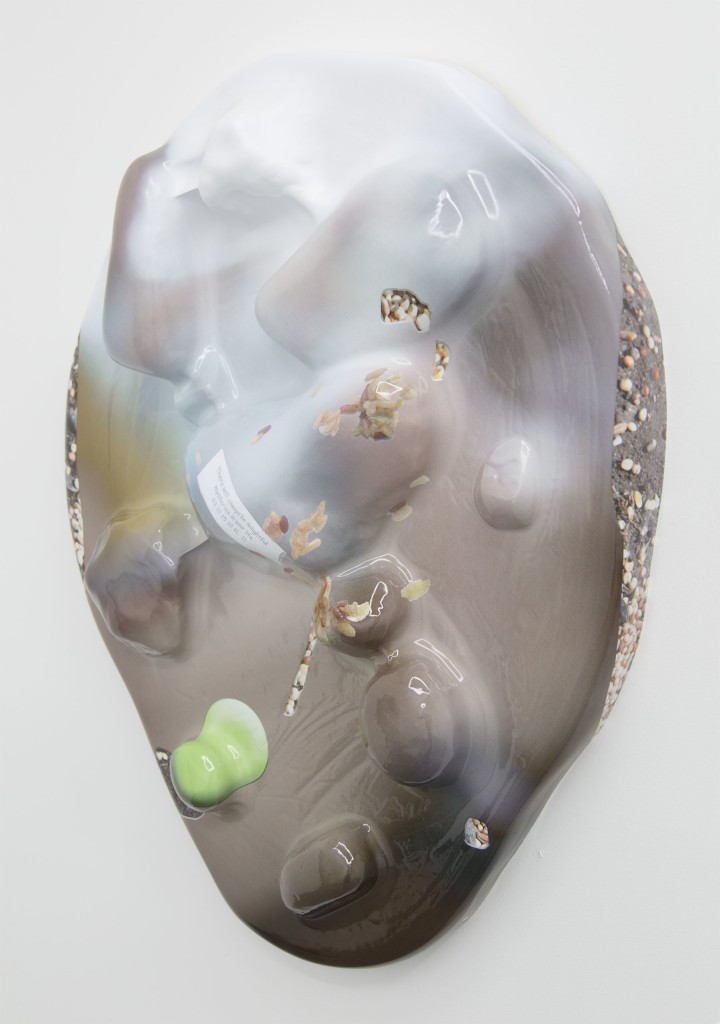
Dimensions: 89 cm × 55 cm Materials: Resin, airbrush acrylic paint, lacquer, Raspberry Pi, Python, Sound (22 minutes).
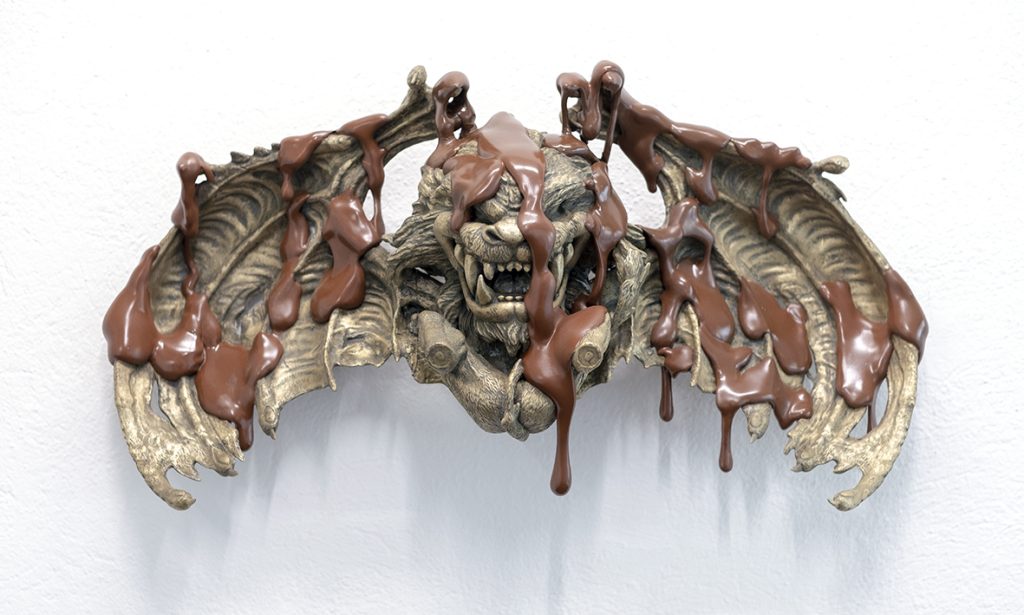
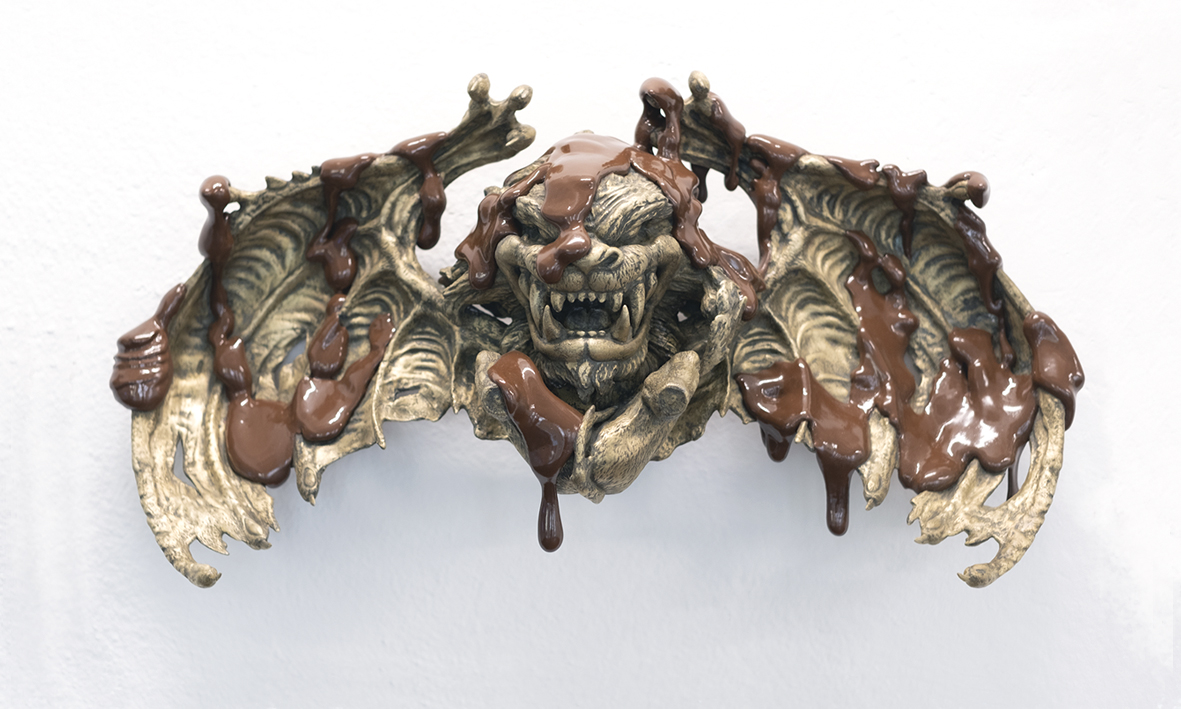
Description: An animatronic robot named Vapula watches the STAMP ALERT news channel and provides commentary, adding an additional layer of context and narrative to the installation.
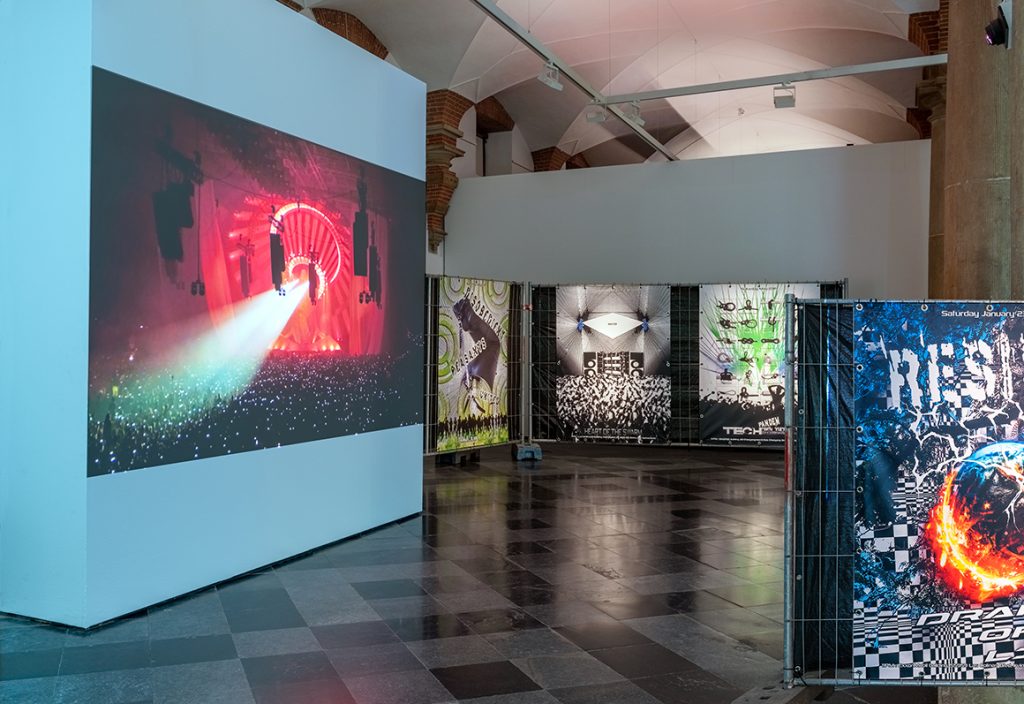
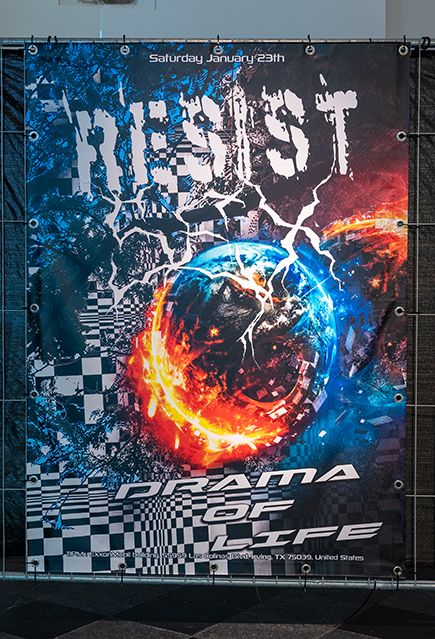
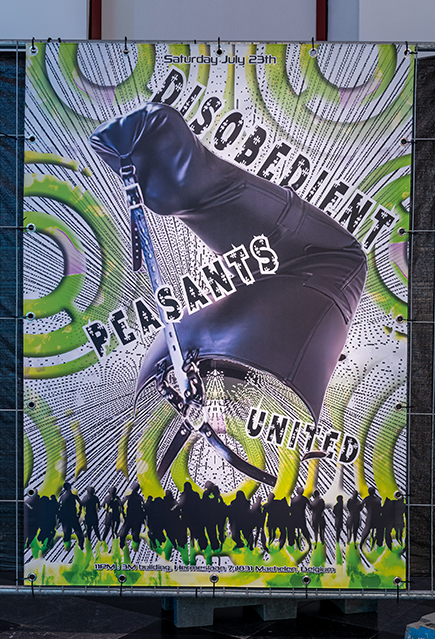
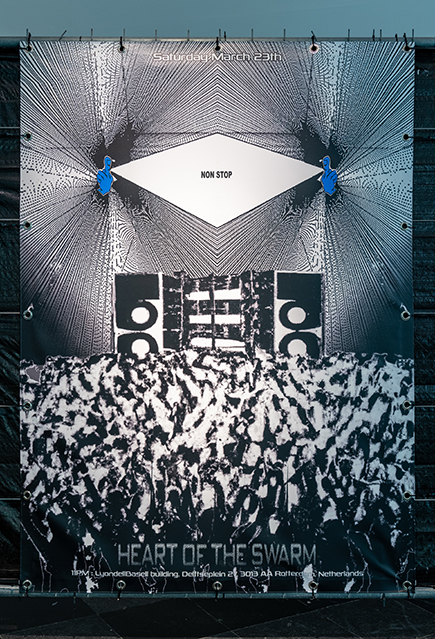
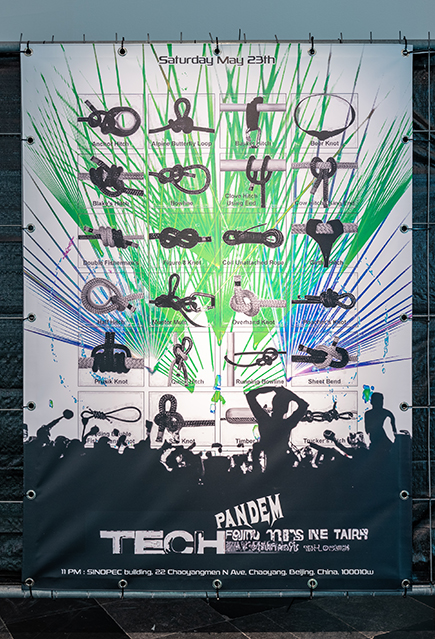
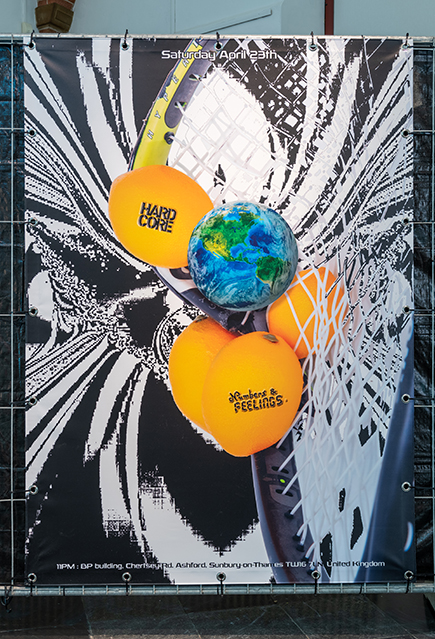
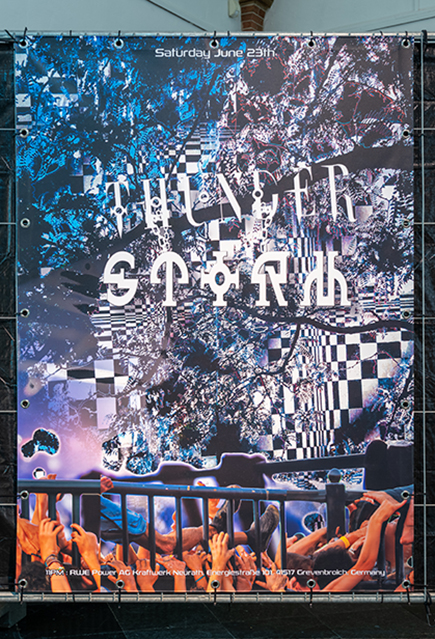
Title:In Control Artist: Anne de Vries Year: 2022 Dimensions: Variable Materials: Fencing, prints on PVC Description: Banners on the fencing advertise fictitious future events, featuring real locations and dates. It remains unclear whether these events signal a revolution or a party. The visuals, inspired by flyers for Tekno, Hardcore, and Bondage events, form a layered collage. Upon closer inspection, the locations reveal themselves as the headquarters of some of the world’s most environmentally destructive corporations.
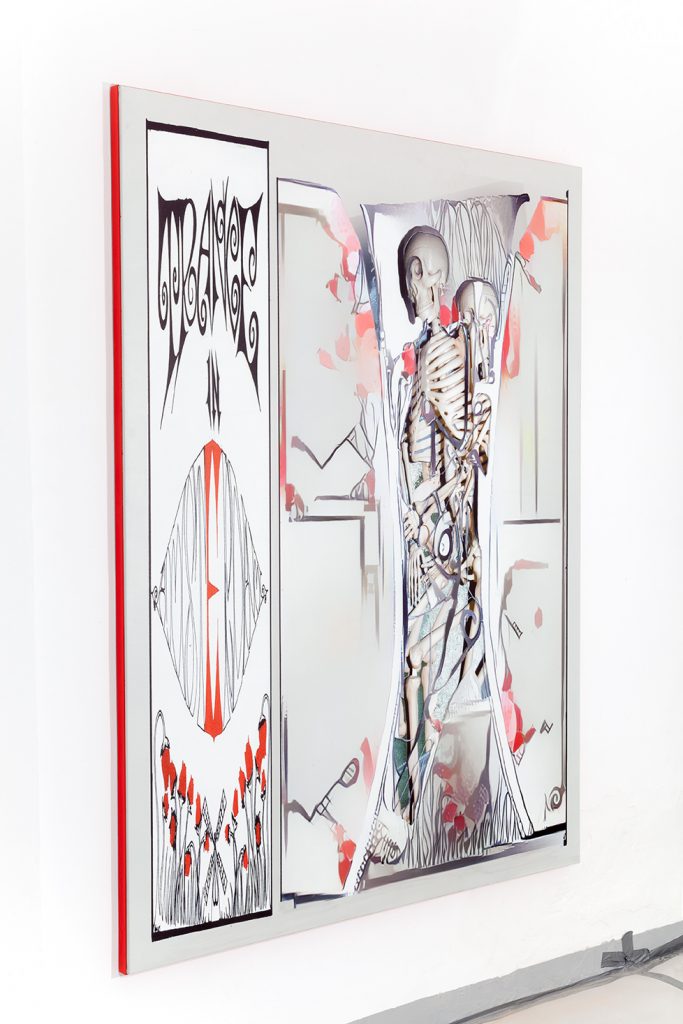
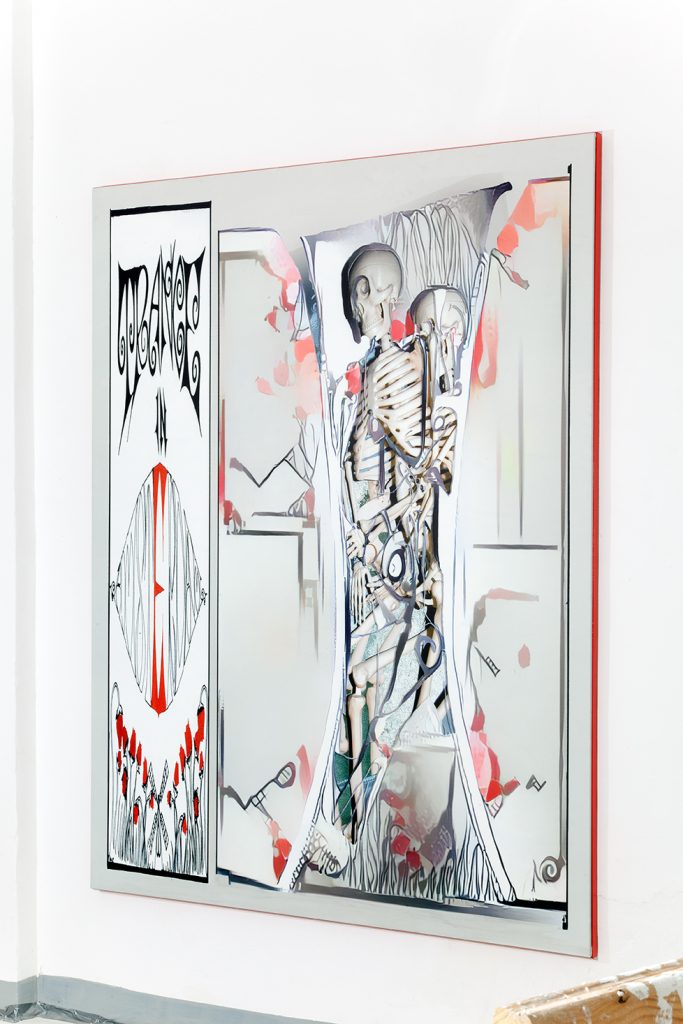
Title:Trance in Amsterdam – RETURNS Artist: Anne de Vries Year: 2020 Size: 201 x 151 x 3.5 cm Materials: 380 g linen canvas, gesso, acrylic paint, oil paint, photography, AI-script, Epson UltraChrome K3 archival print, aluminum stretcher, aluminum artist frame with coating.
Title:Détournement 023 Artist: Anne de Vries Year: 2020 Dimensions: 79 x 59 x 1.4 inch / 201 x 151 x 3.5 cm Material: Cotton canvas 380 g, gesso, acrylic paint, photography, kierewiet logo, UV-print, aluminum stretcher.
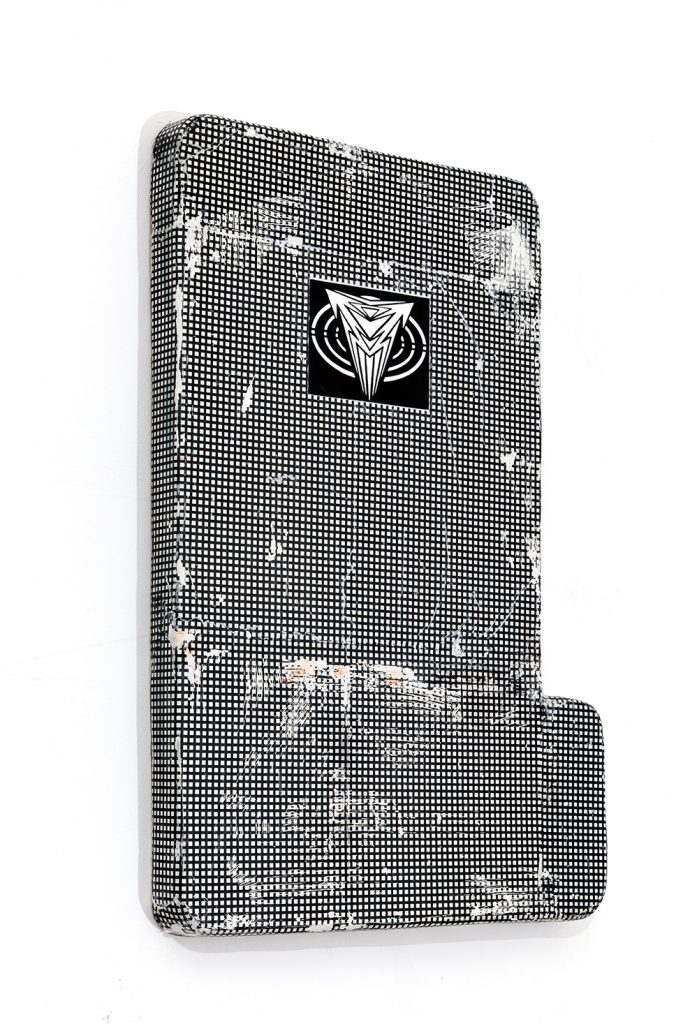
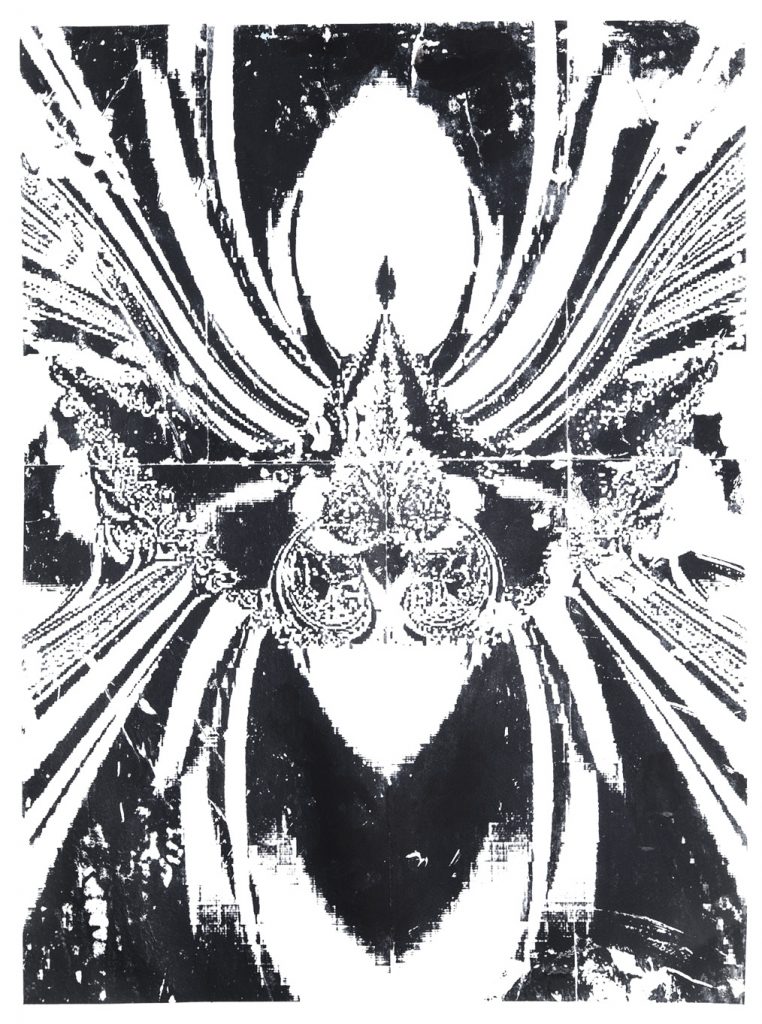
Title:T.A.Z. Artist: Anne de Vries Year: 2018 Dimensions: 85 x 56 x 5.5 cm / 33.5 x 22 x 2.2 inch Materials: Chinese ink, acrylic paint, laser print transfer, gesso, narkotek logo, and hard polystyrene (XPS).
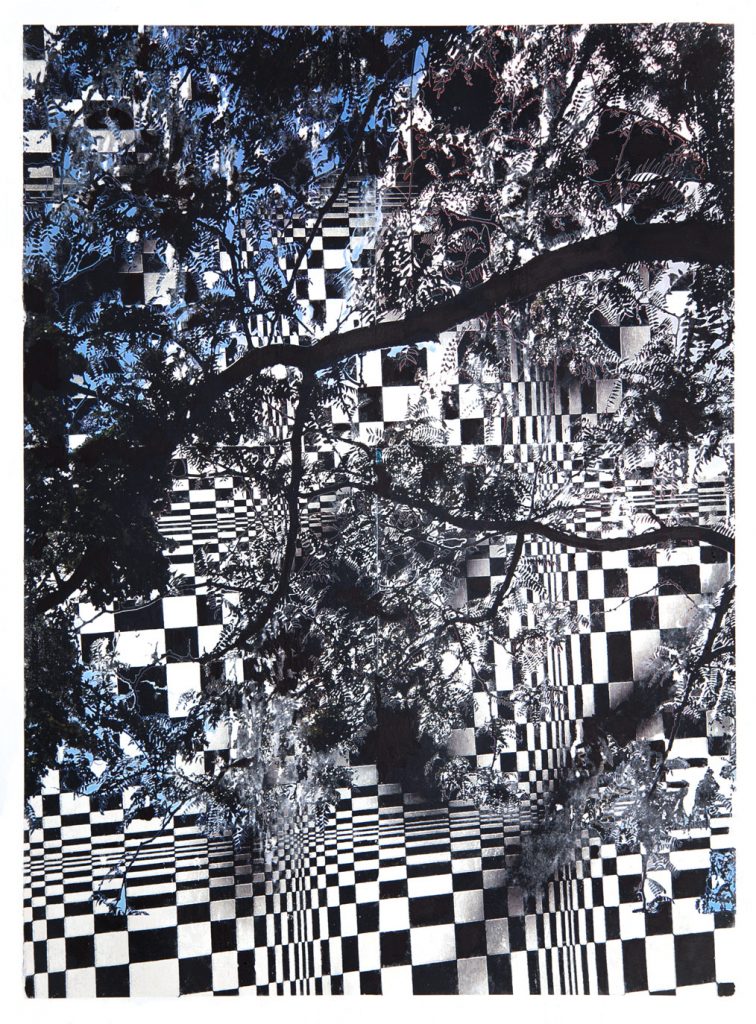
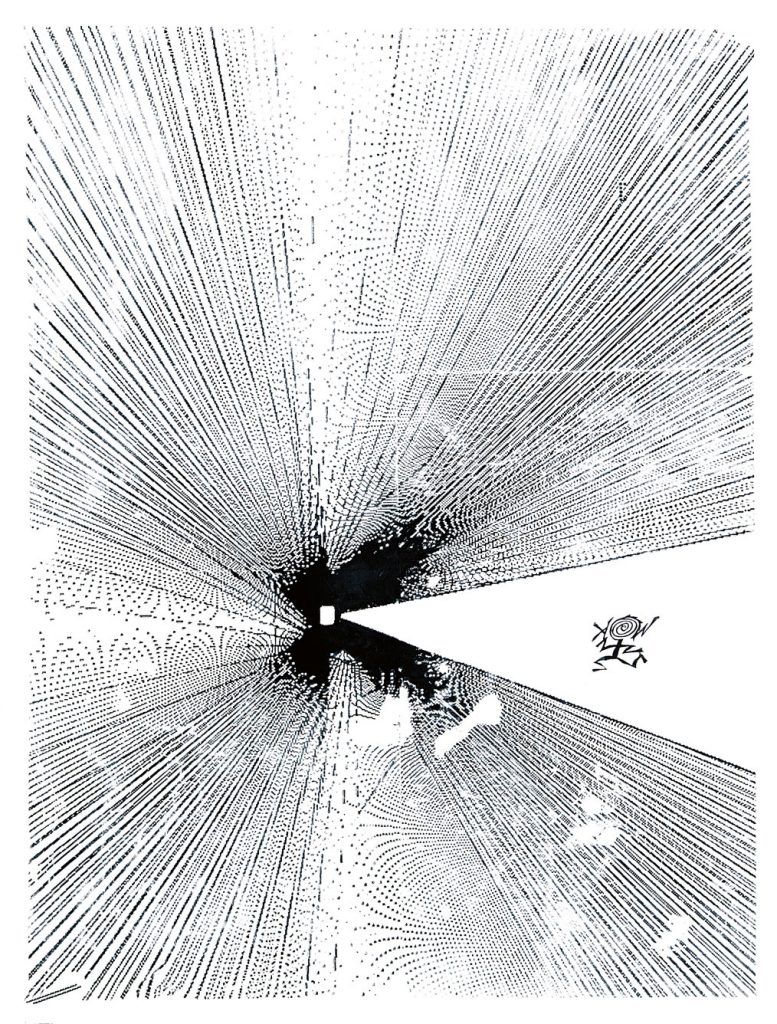
Title:KETENDER STUDIES B/W Artist: Anne de Vries Year: 2017 Dimensions: 760 x 560 mm Materials: Works on 140 lb / 300 gsm Winsor & Newton watercolor paper.
Title:No Fear Deep Joy, Be Careful Artist: Anne de Vries Year: 2020 Dimensions: 153 x 80 x 7.5 cm Materials: CNC-machined hard foam, coating, Deep Joy logo, nails.
Title:Windy Artist: Anne de Vries Year: 2020 Dimensions: 200 × 150 cm Materials and Techniques: Linen canvas (380g), gesso, acrylic paint, UV print. Includes a photograph of trees near the Chelsea Piers, visual elements from The Rat God by Richard Corben (specifically, hands), and a rendered image of a Paris apartment by Bertrand Benoit. Mounted in an oakwood artist frame.
Title:Homo Machina Artist: Anne de Vries Year: 2020 Dimensions: 166 x 126 x 4 cm Materials: 380g canvas, gesso, paint, photography, CGI, UV-print, aluminum artist frame.
Title:Anarchy in the Hive Mind Artist: Anne de Vries Year: 2020 Dimensions: 191 × 141 × 4.5 cm Materials and Techniques: Linen canvas (380g), gesso, photographic imagery of flowers, cartoon bees and hornets, CGI, UV print. Mounted on a double wooden stretcher with an aluminum artist’s frame.
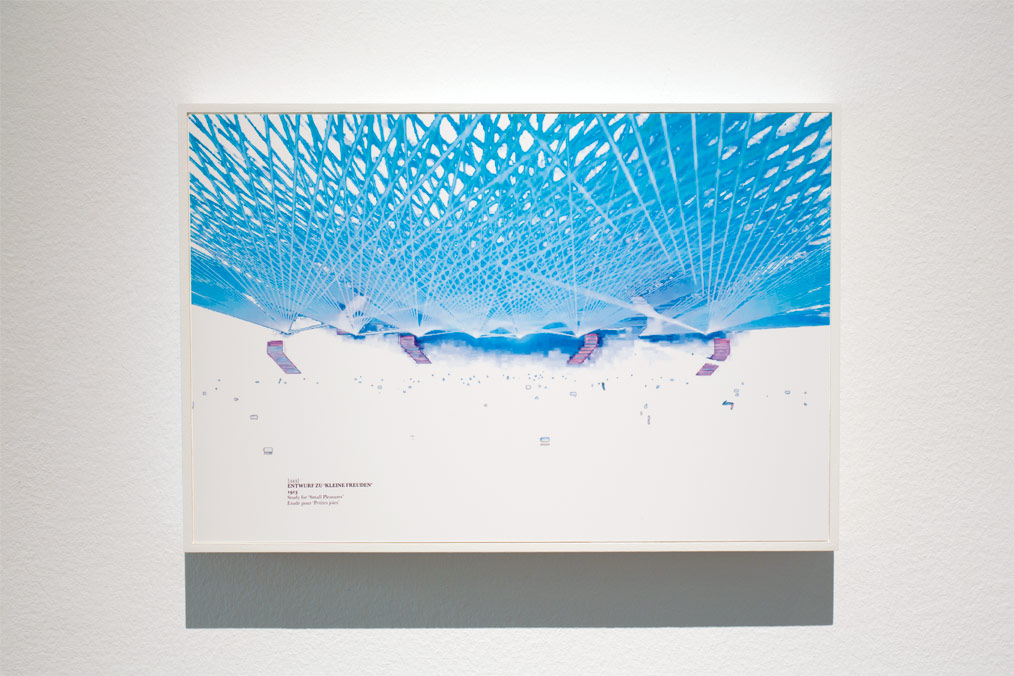
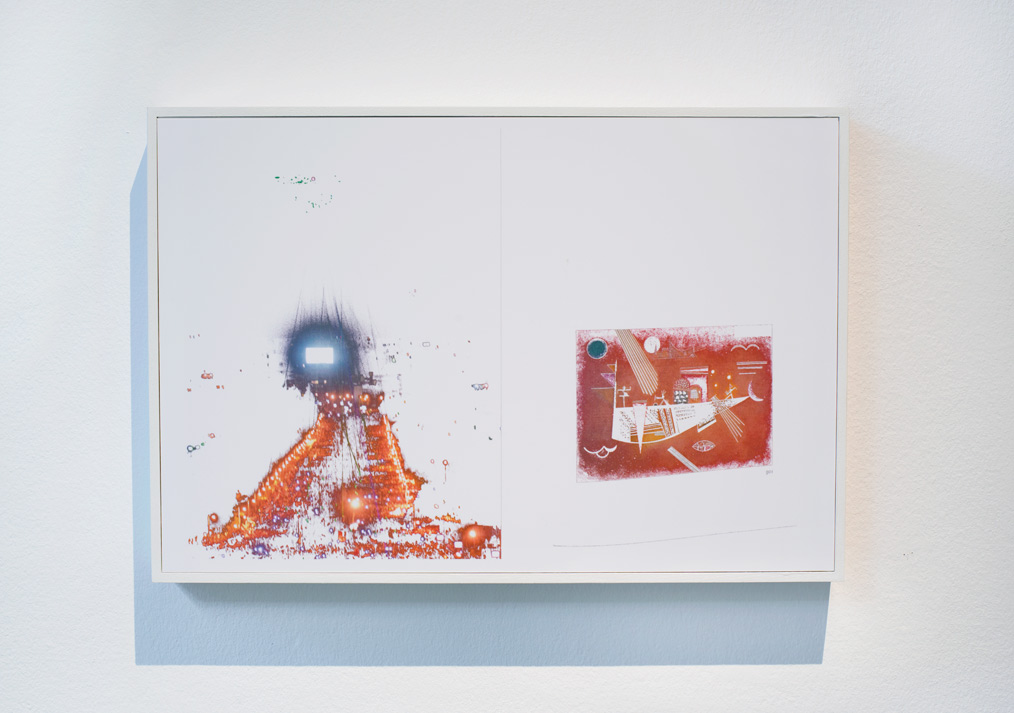
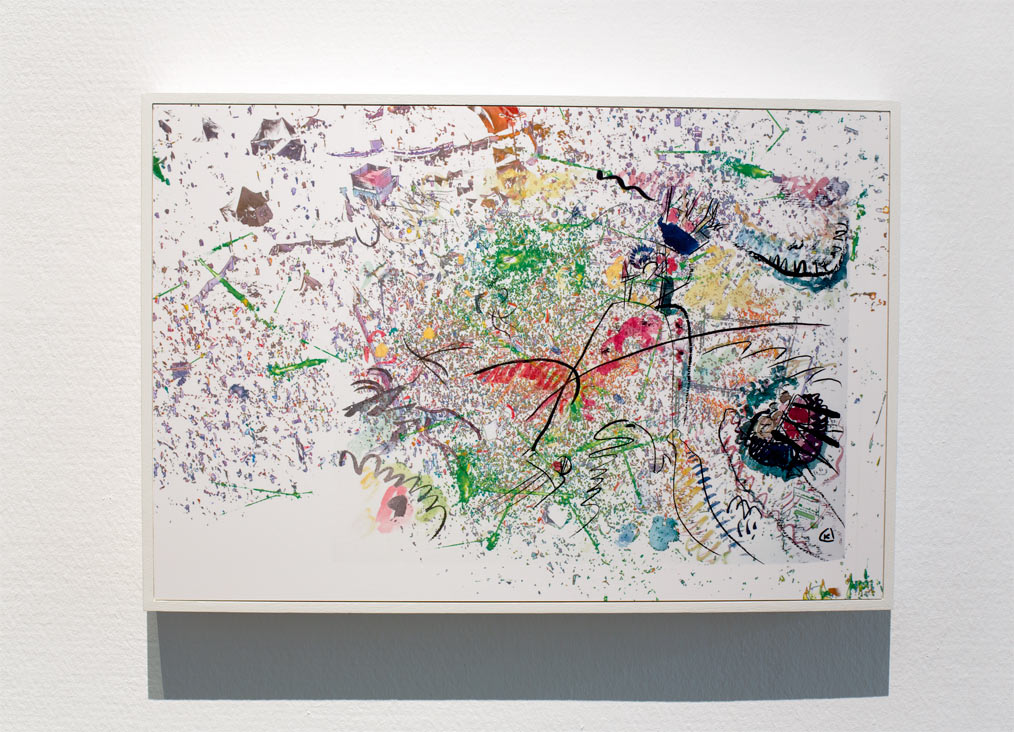
Title: Entwurf zu ‘kleine Freude’ / Étude pour ‘Petites joies’ Artist: Anne de Vries Year: 2015 Dimensions: 517 × 347 × 50 mm Edition: Unique, signed Materials: Archival UV print on Photo Forex, wooden frame with acrylic paint Techniques: Digital collage combining photographs taken by the artist at various crowd gatherings with laser light shows, and visual elements from works by Wassily Kandinsky. The title references Kandinsky’s compositions and writings on the relationship between people, music, and color.
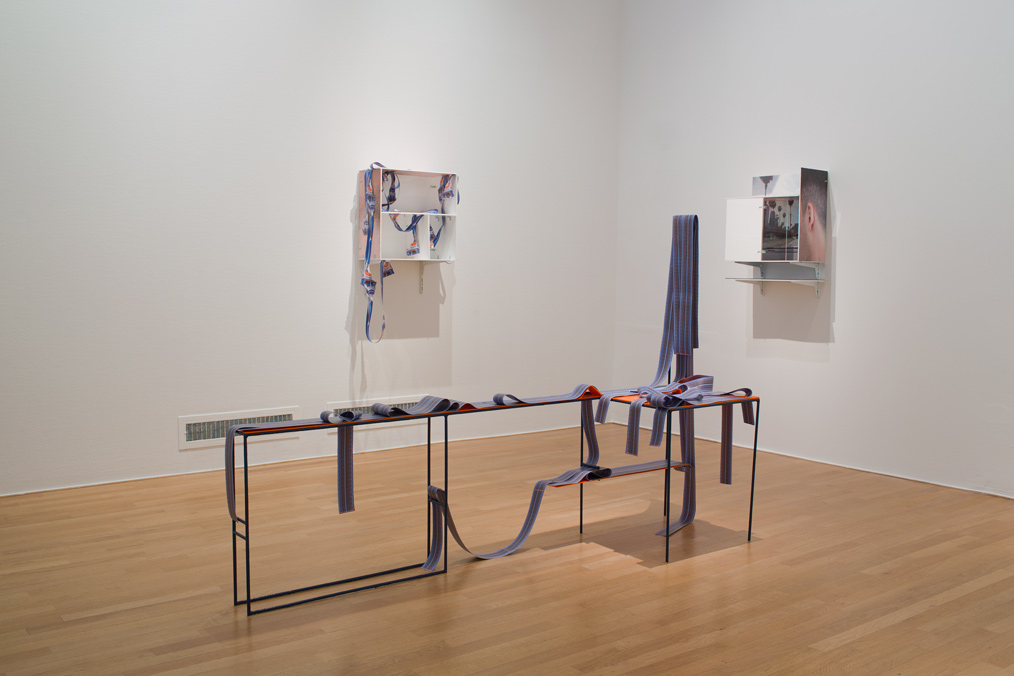
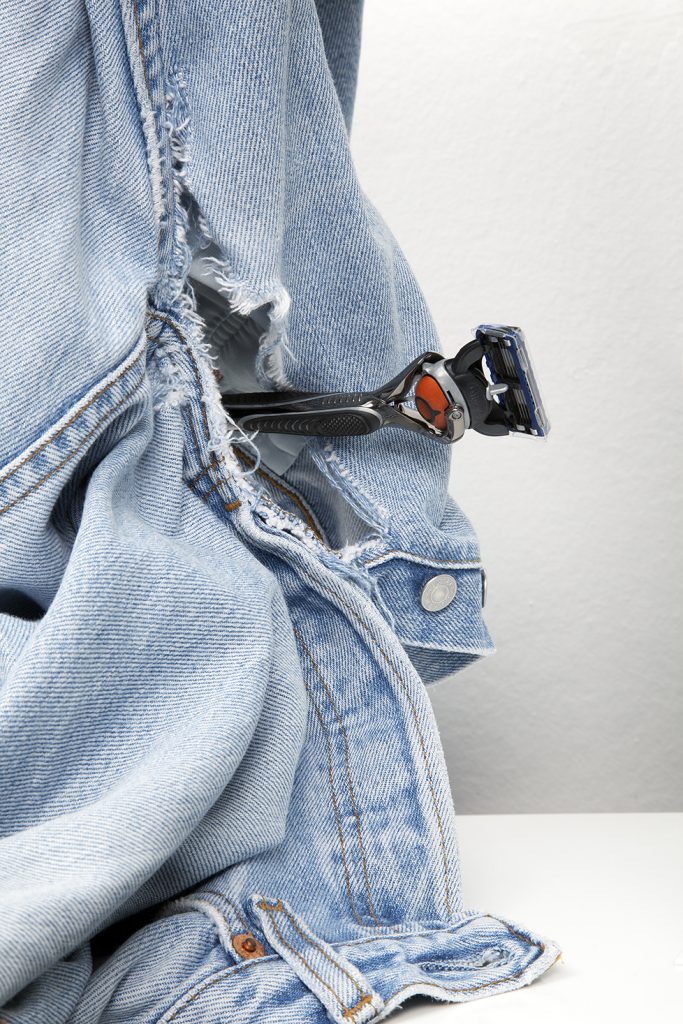
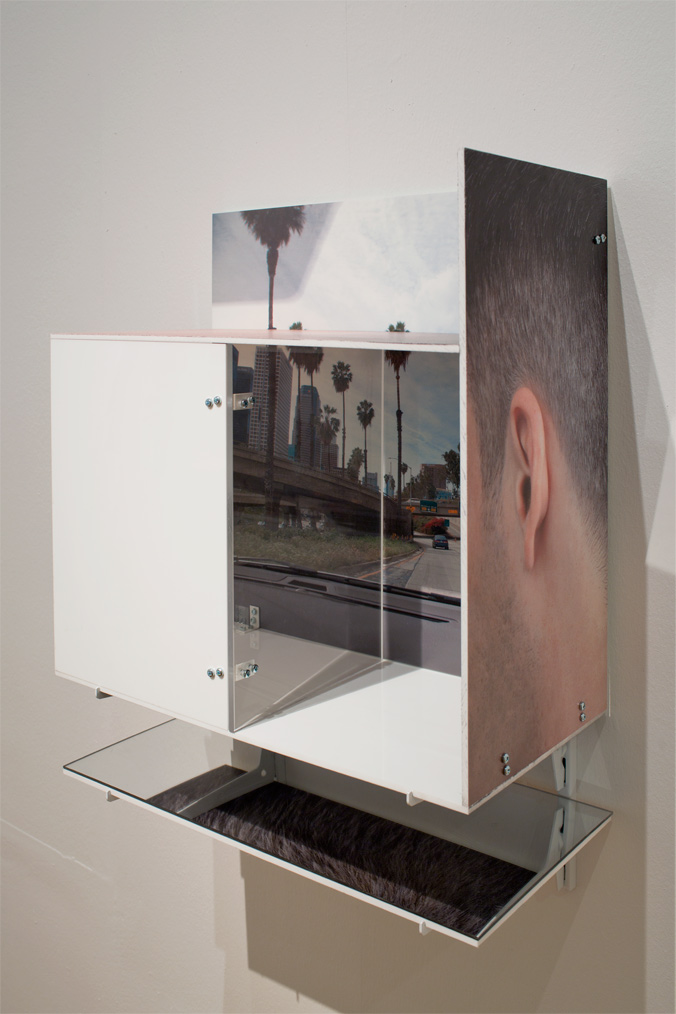
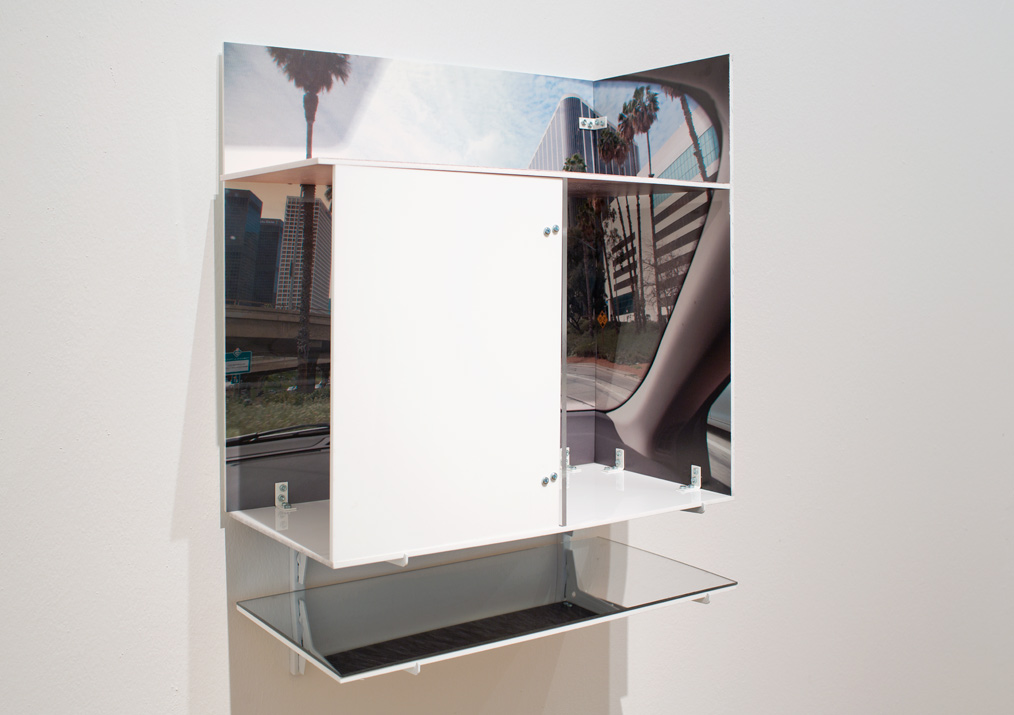
Title:GILLETTE’S VISION Artist: Anne de Vries Year: 2014 Dimensions: Various Materials: Double-sided UV prints on Photo Forex, PVC, mirror, coated metal hanging system, screws, Gillette razors, clothing. Documentation: E_MERGE solo exhibition at Foam Amsterdam
Conceptual Background: This body of work engages The Dream of King Camp Gillette and his radical vision of a future urban society. Long before he became known for inventing the safety razor and founding a major industrial enterprise, King Camp Gillette (1855–1932) published books and pamphlets proposing a new economic and social order.
In The Human Drift, his first major tract, Gillette introduced the idea of “Metropolis,” a single, technologically advanced megacity designed to accommodate the entire population apart from agricultural and rural labor. He conceived this city as a centralized and fully integrated system, constructed through modern materials and governed by “The United Company,” an all-encompassing organization responsible for producing and distributing the necessities of life.
While often associated with utopian literature such as Edward Bellamy’s Looking Backward, Gillette’s proposal exceeds literary speculation. It advances a sincere and highly idiosyncratic model of urban and social engineering. “Metropolis” thus emerges as a verbal prototype for an industrial future defined by total organization, efficiency, and control.
Artistic Approach: The work draws on photographs of Gillette shaving products, transforming them into sculptural forms and layered visual structures. In doing so, it connects Gillette’s utopian urban vision to the sleek industrial design language of his shaving systems.
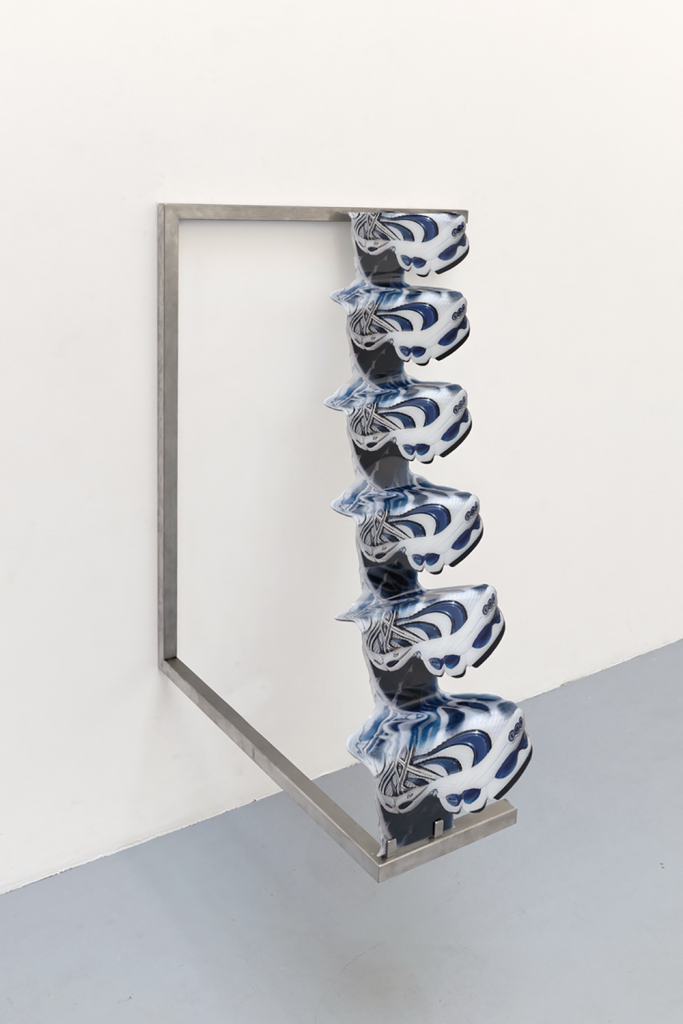
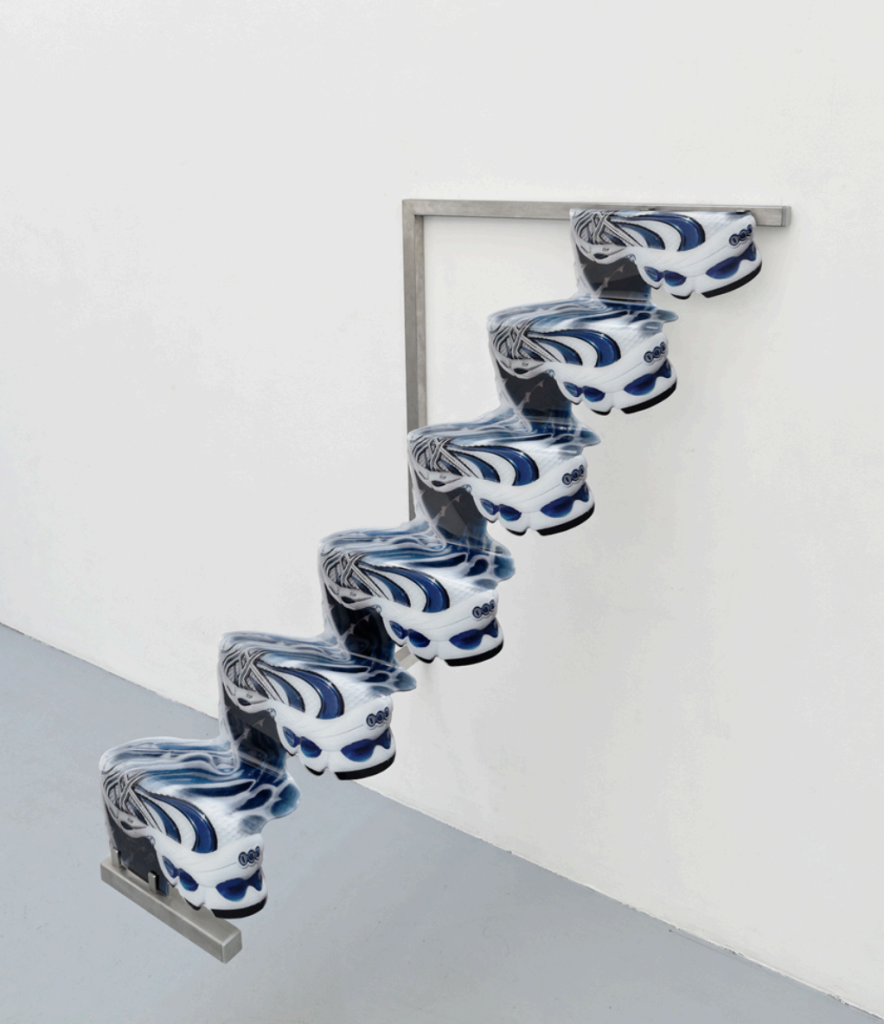
Title:Steps of Recursion on rail – ICG Artist: Anne de Vries Year: 2012 Dimensions: 135 × 110 × 75 cm Materials: Steel frame, UV print, plastic Documentation:Hussenot Gallery Paris, Fluxia Gallery Milan, and Martin van Zomeren, Amsterdam
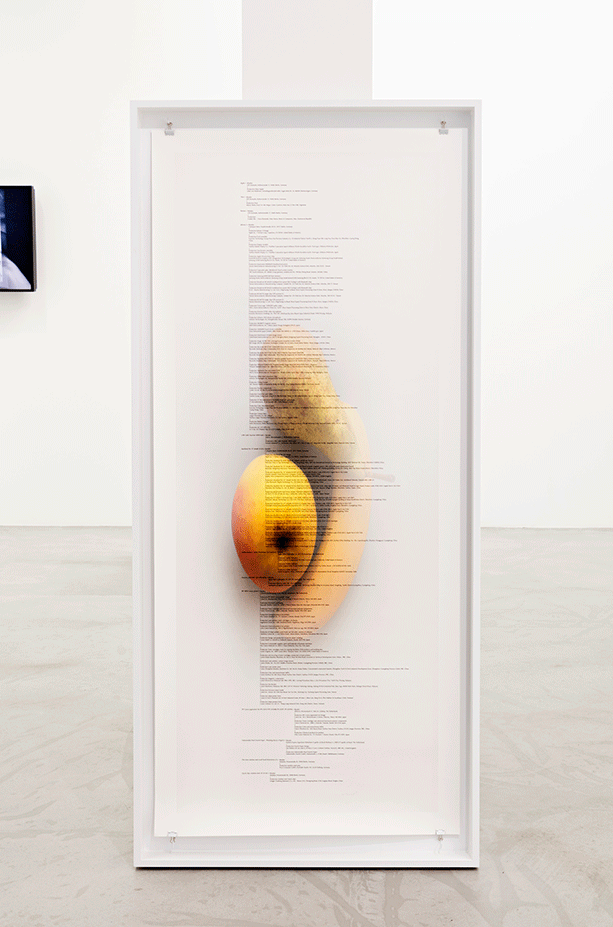
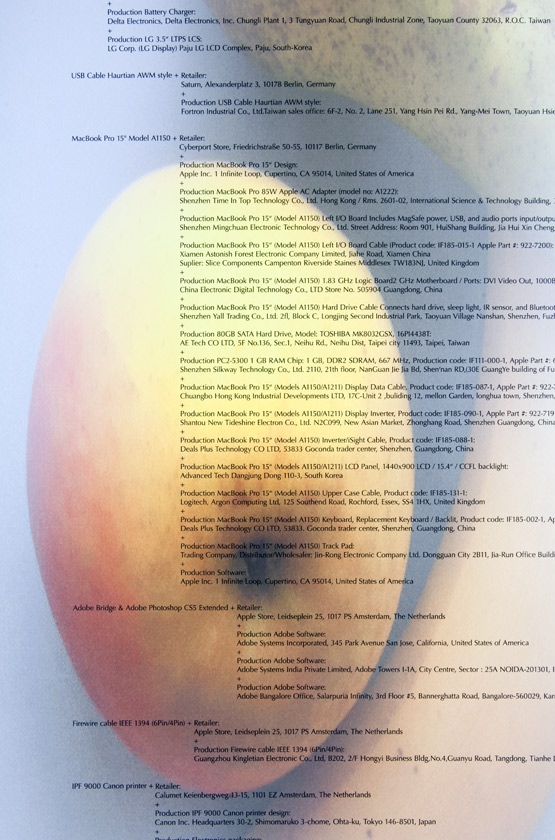
Title: Image Transfers – Apple, Pear and Banana Image Transfers – Apple, Avocado and Lemon Artist: Anne de Vries Year: 2012 Dimensions: 160 × 70 cm Materials: Digital print on photo paper
About: These two digital prints deconstruct their own production process. Beginning as still-life photographs of supermarket fruit, the image journeys through the digital pipeline—lens, sensor, wiring, computer components, software—until it materializes as ink on paper, hung on the wall with hooks and clips.
The deceptively simple arrangement is layered with an informational panorama that reveals the production chain’s circumstances and locations, positioning the fruit as the final eventuation of this global process. Superimposed in small type over the still-life are inscriptions including the retailer’s name and address and the primary production companies involved, tracing the artwork’s roots in today’s global economy.
Titles: Image Transfer: Rucola, Jalapeños, Peanuts Image Transfer: Jalapeños, Peanuts, Champignons Image Transfer: Jalapeños, Rucola, Peanuts Artist: Anne de Vries Year: 2019 Dimensions: 160 × 70 cm (each)
About: These works begin with still-life photographs of supermarket produce. From there, the images move through the full digital chain of production from camera lens and sensor to wiring, software, computer hardware, and finally ink on paper. By tracing this process, the prints draw attention to the technological and economic systems behind a seemingly simple image. Overlaid text includes details such as retailer information, addresses, and the names of production companies, linking the depicted produce to wider networks of global production and distribution.
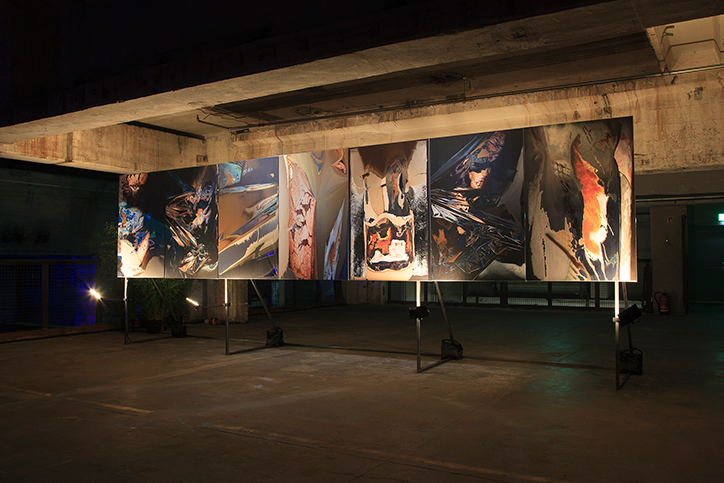
Title:CAVE2CAVE2CAVE Artist: Anne de Vries Year: 2019 Dimensions: Overall width 700 cm, comprising 150 × 100 × 3.5 cm stretchers Materials: UV-RGB-W print on mirror-coated PVC; aluminum P35 stretchers with aluminum artist frames
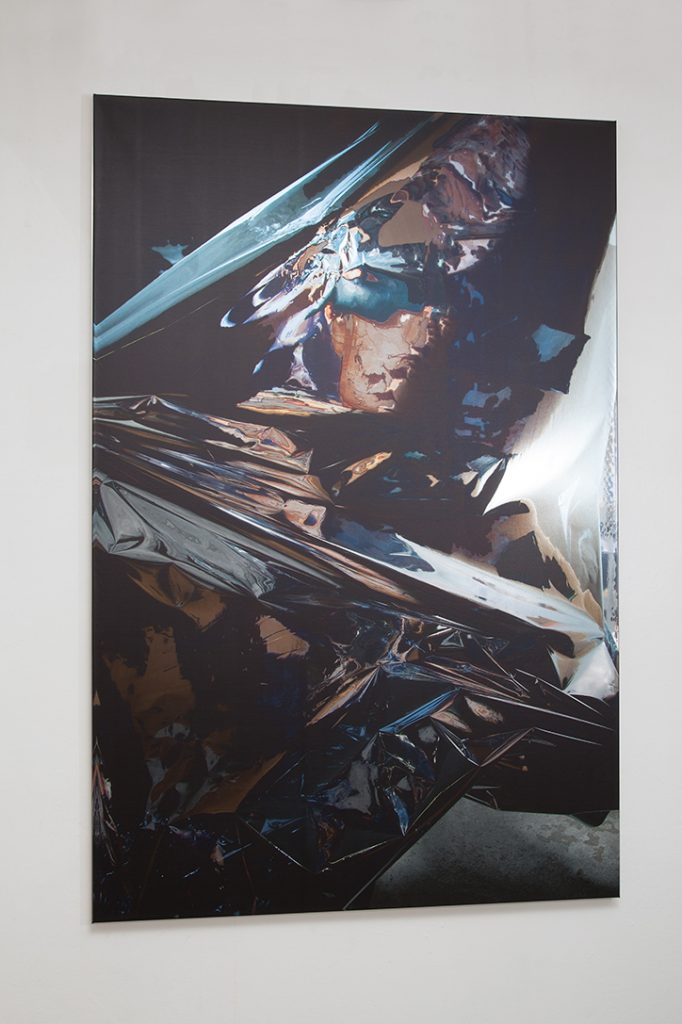
Artist: Anne de Vries Year: 2019 Dimensions: 150 × 100 × 3.5 cm (each) Materials: UV-RGB-W print on mirror-coated PVC, mounted on aluminum P35 stretchers, housed within aluminum artist frames
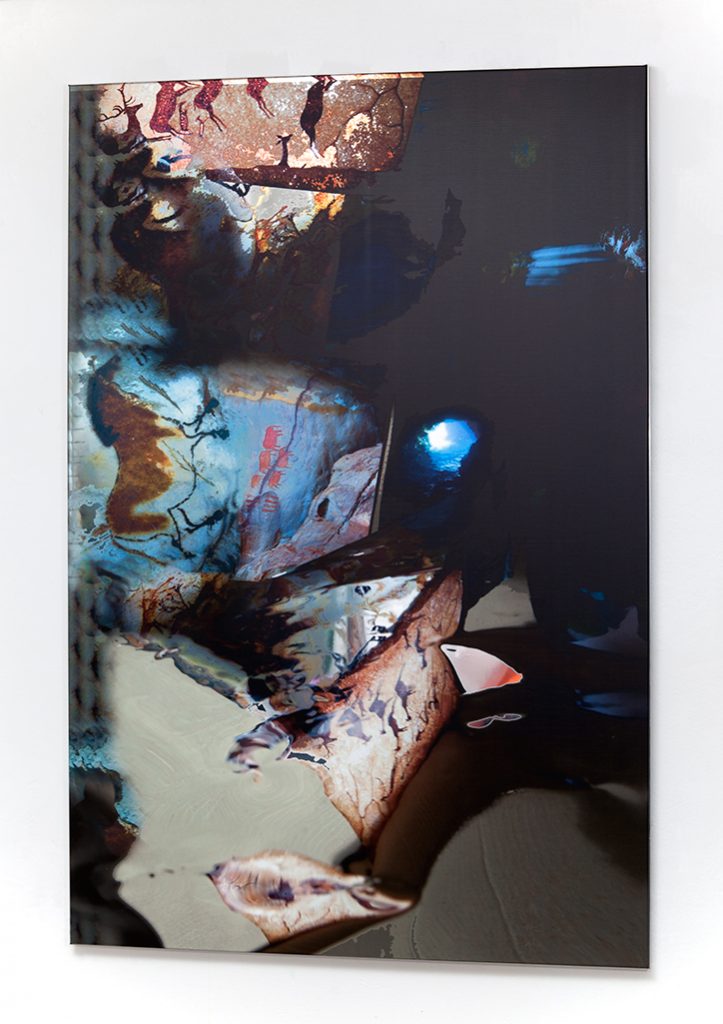
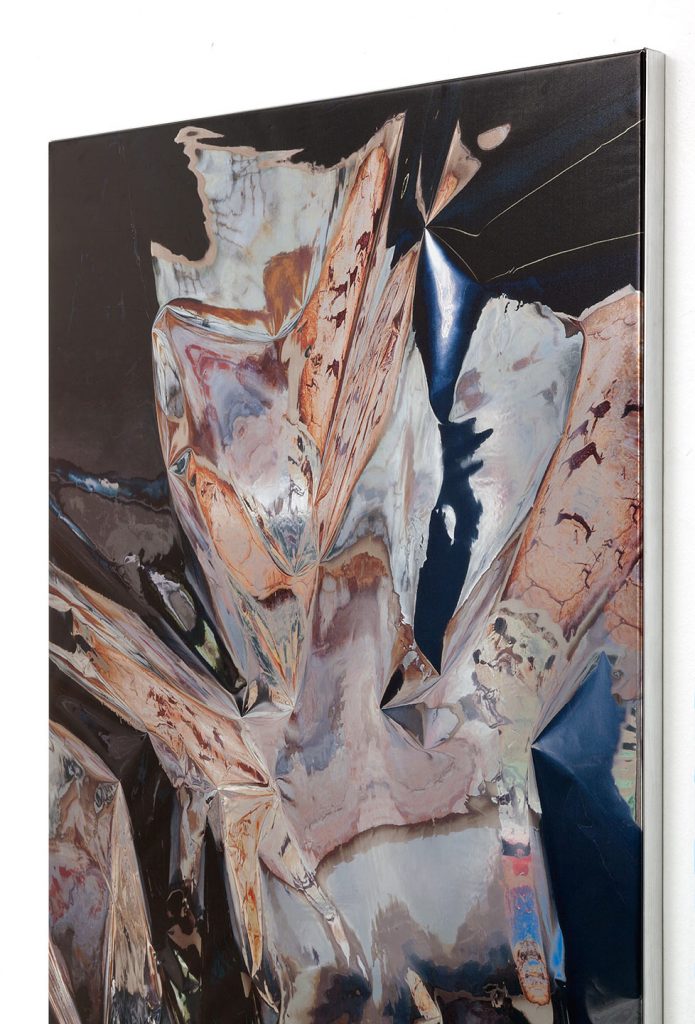
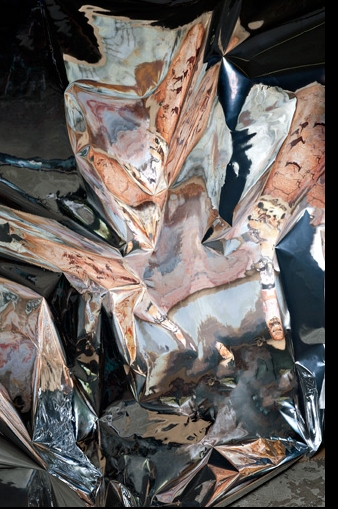
Title:CAVE2CAVE Artist: Anne de Vries Year: 2011–2019 Dimensions: 130 × 100 cm (51.18 × 39.37 in) Materials: UV print on mirror foil, aluminum frame
About: This work features photographs of wrinkled reflections of cave paintings, UV-printed onto mirror foil stretched over a frame. The reflective surface creates a dynamic interaction between image and environment, emphasizing the interplay of history and contemporary technology.
Two artworks, Interface – Easy Jet and Interface – Musashi, were installed in the exhibition RUIS, curated and acquired by Melanie Bühler at the Frans Hals Museum, Haarlem.
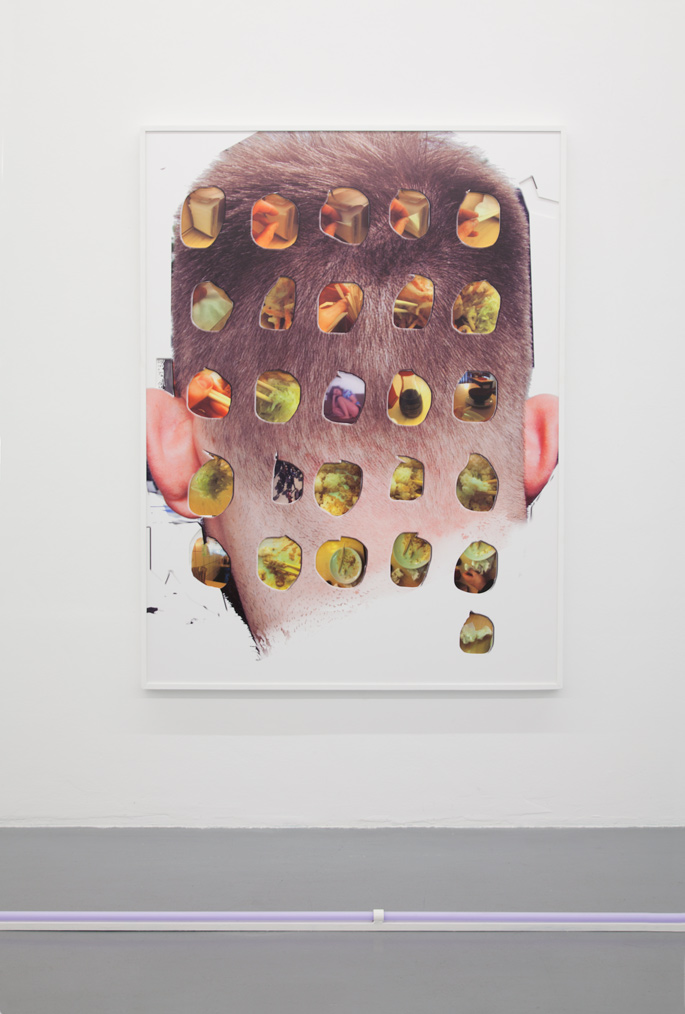
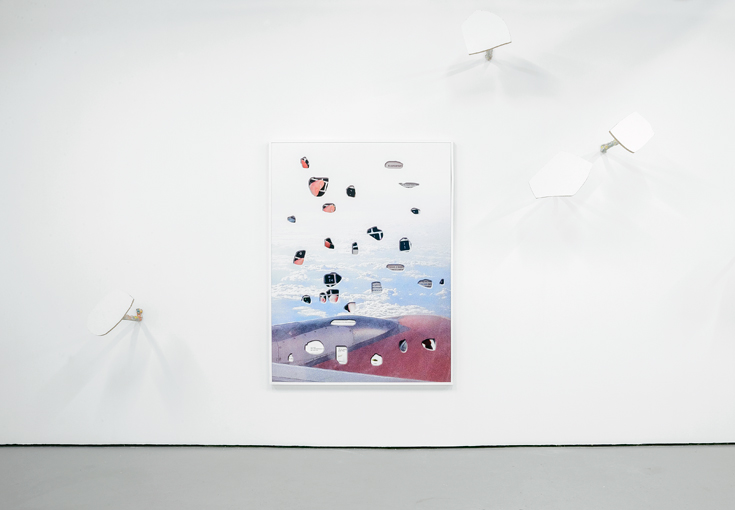
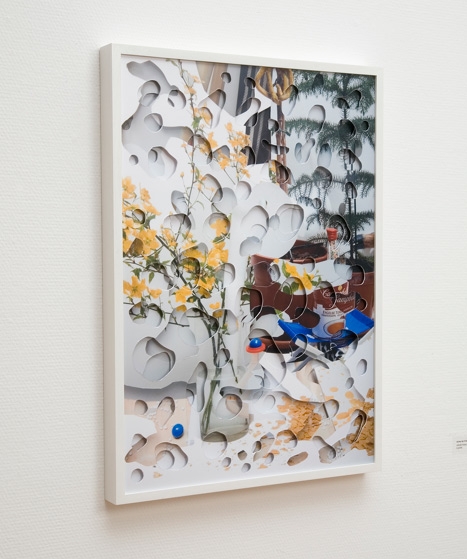
Title:Interface – Downstairs Artist: Anne de Vries Year: 2014 Dimensions: 164 × 124 cm Materials: Two digital prints on Photo Forex sheets with CNC cut-outs; painted wooden frame About: Interface explores the relationship between observation and thought, and considers how the exchange between the two might be visualized. Developed in relation to early discussions around artificial intelligence, the work reflects on attempts to model and clarify the often complex processes through which reality is perceived and understood.
The project also engages with the history of photography and its claim to document reality. By using photography to suggest perception as fragmented, layered, and non-linear, the work challenges ideas of photographic clarity and objectivity, proposing instead an experience of the world that is subjective, composite, and constructed.
Title:Interface – Musashi Artist: Anne de Vries Year: 2014 Dimensions: 164 × 124 cm Materials: Two digital prints on Photo Forex sheets with CNC cut-outs; painted wooden frame About: Interface explores the relationship between observation and thought, and considers how the exchange between the two might be visualized. Developed in relation to early discussions around artificial intelligence, the work reflects on attempts to model and clarify the often complex processes through which reality is perceived and understood.The project also engages with the history of photography and its claim to document reality. By using photography to suggest perception as fragmented, layered, and non-linear, the work challenges ideas of photographic clarity and objectivity, proposing instead an experience of the world that is subjective, composite, and constructed.
Title:Interface – Il Casolare Artist: Anne de Vries Year: 2014 Dimensions: 164 × 124 cm Materials: Two digital prints on Photo Forex sheets with CNC cut-outs; painted wooden frame About: Interface explores the relationship between observation and thought, and considers how the exchange between the two might be visualized. Developed in relation to early discussions around artificial intelligence, the work reflects on attempts to model and clarify the often complex processes through which reality is perceived and understood. The project also engages with the history of photography and its claim to document reality. By using photography to suggest perception as fragmented, layered, and non-linear, the work challenges ideas of photographic clarity and objectivity, proposing instead an experience of the world that is subjective, composite, and constructed.
Title:Interface – Easy Jet Artist: Anne de Vries Year: 2014 Dimensions: 164 × 124 cm Materials: Two digital prints on Photo Forex sheets with CNC cut-outs; painted wooden frame About: The Interface project is shaped by an interest in thought, observation, and how the constant exchange between the two might be visualized. This inquiry emerged alongside broader technological concerns of the time, particularly in the early days of A.I., when the tech world was increasingly trying to model and make legible the complex cognitive processes through which we perceive and understand reality. The work also engages with the history of photography and its longstanding investment in documenting “reality.” By using photography to visualize perception as fragmented, layered, and non-linear, the project questions ideas of photographic clarity and objectivity, suggesting instead that our experience of the world may be closer to painting: subjective, composite, and constructed.
Title:Places to See Artist: Anne de Vries Year: 2013 Dimensions: 260 × 65 × 160 cm Materials: Stainless steel, digital monochrome print on milled plexiglass Edition: Unique
Title:Login, for two Artist: Anne de Vries Year: 2013 Dimensions: 260 × 65 × 160 cm Materials: Stainless steel, digital monochrome print on polished and milled plexiglass
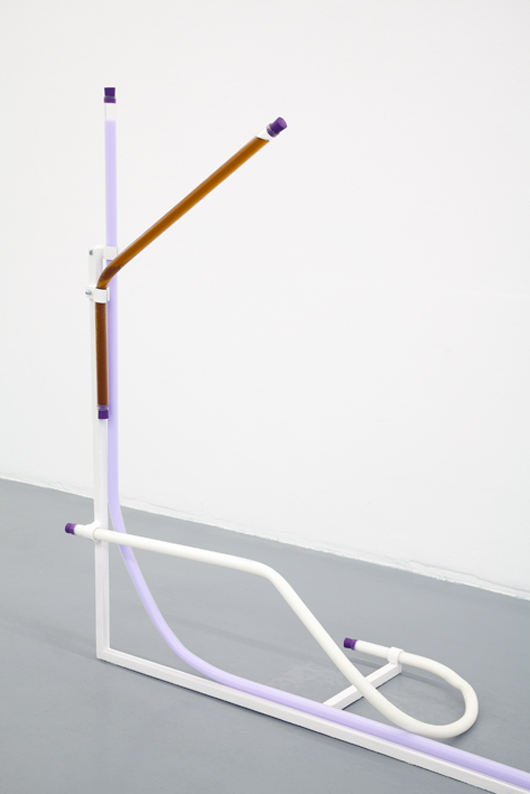
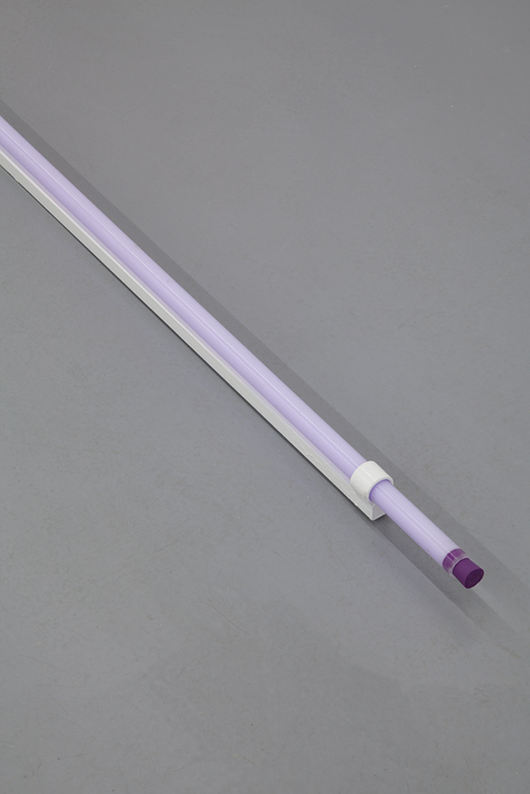
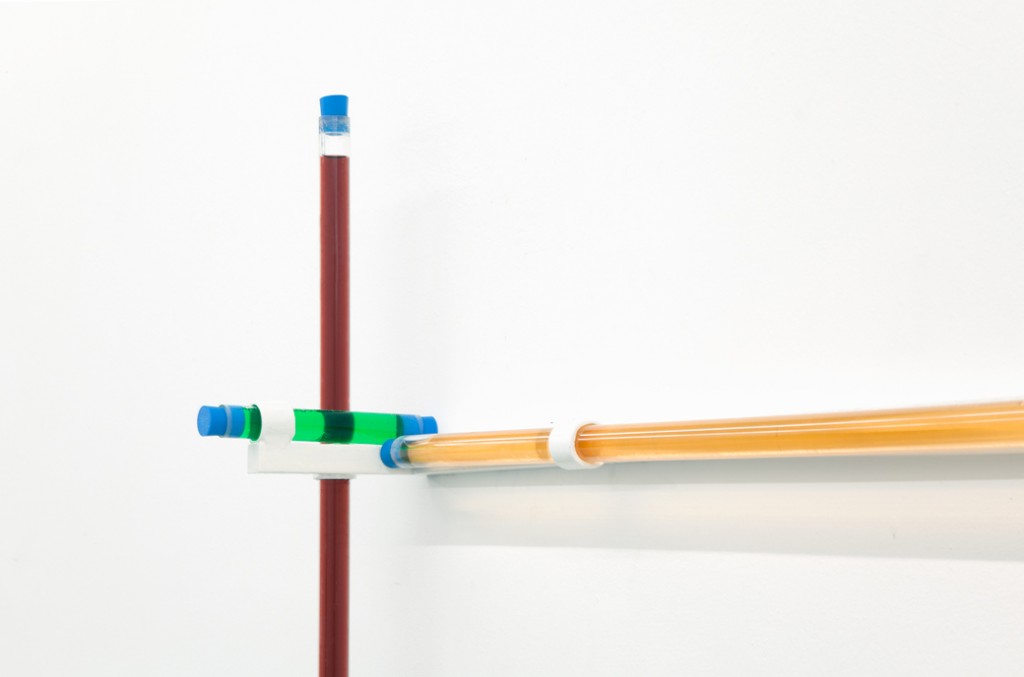
Title:Viewfinder Artist: Anne de Vries Year: 2013 Dimensions: 45 × 65 × 175 cm Materials: Stainless steel, digital monochrome print on plexiglass, key, medical rubber tubes, colored solution.
Title:At the Shores Artist: Anne de Vries Year: 2013 Dimensions: 65 × 160 cm Materials: Digital prints, framed
About: While many of the computer-generated events assigned to these random dates will probably not take place, some computer-generated speculations—such as those made by NASA and the scientific community at large—may indeed occur.
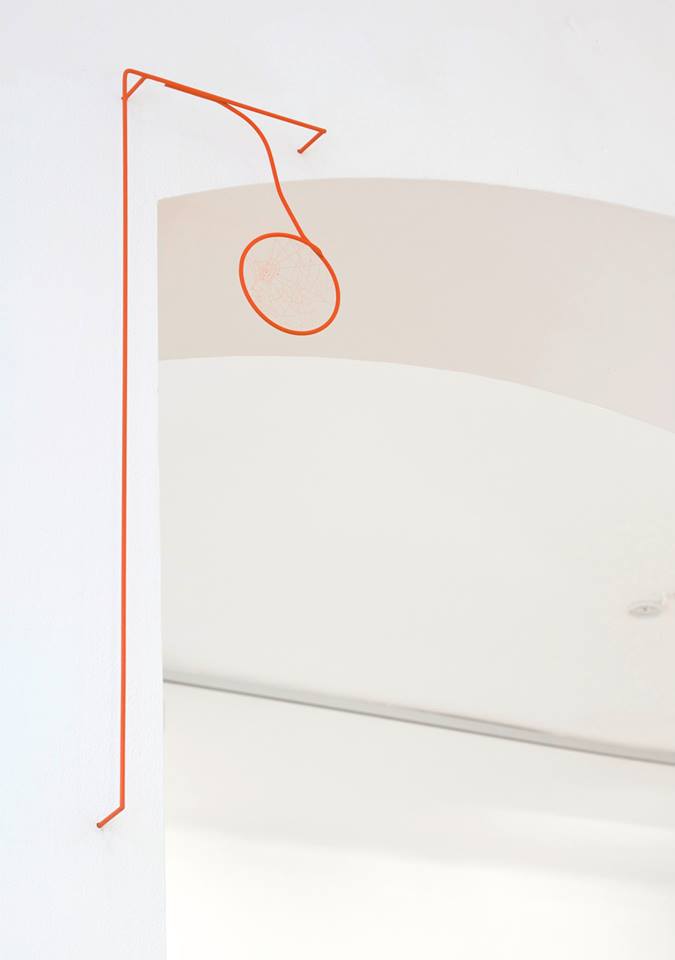
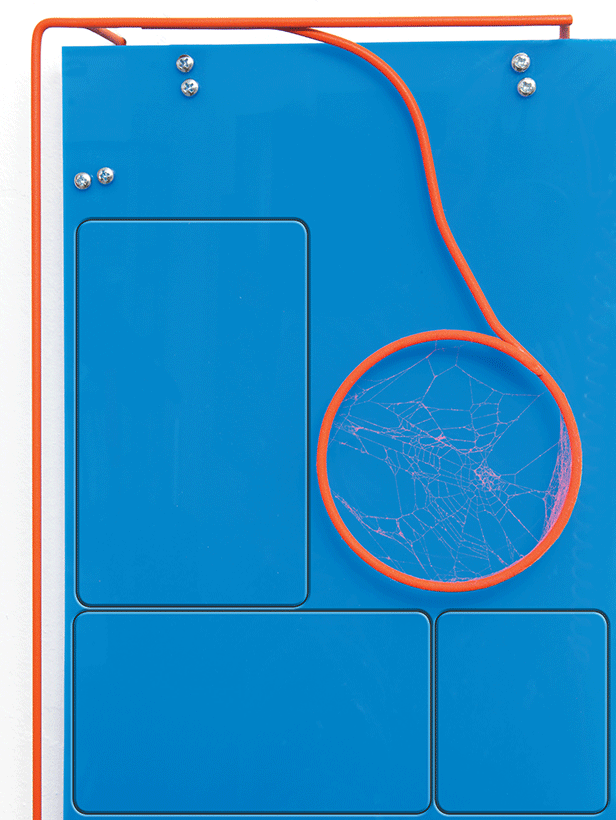
Title:Eye Catcher 03 Artist: Anne de Vries Dimensions: Various Materials: Coated steel; polished Plexiglass; real spiderwebs Documentation: On view at Twenty Thousand Years of Yarn, curated by Rubén Grilo, Future Gallery Berlin
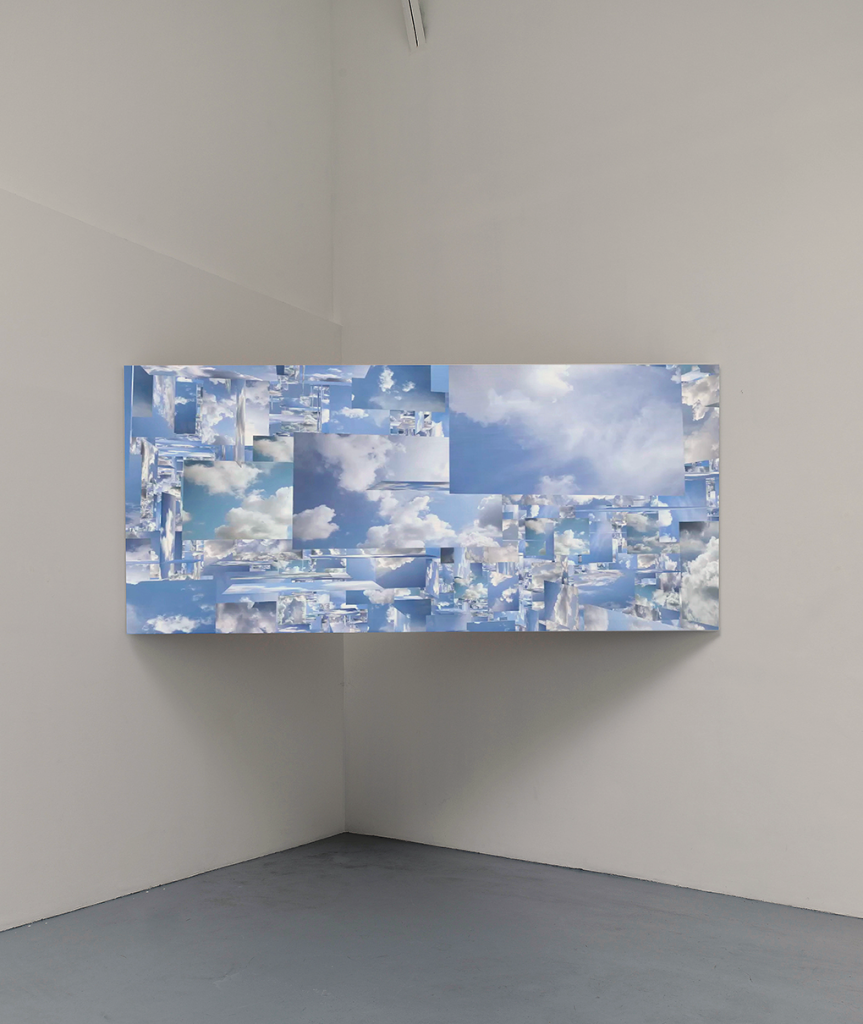
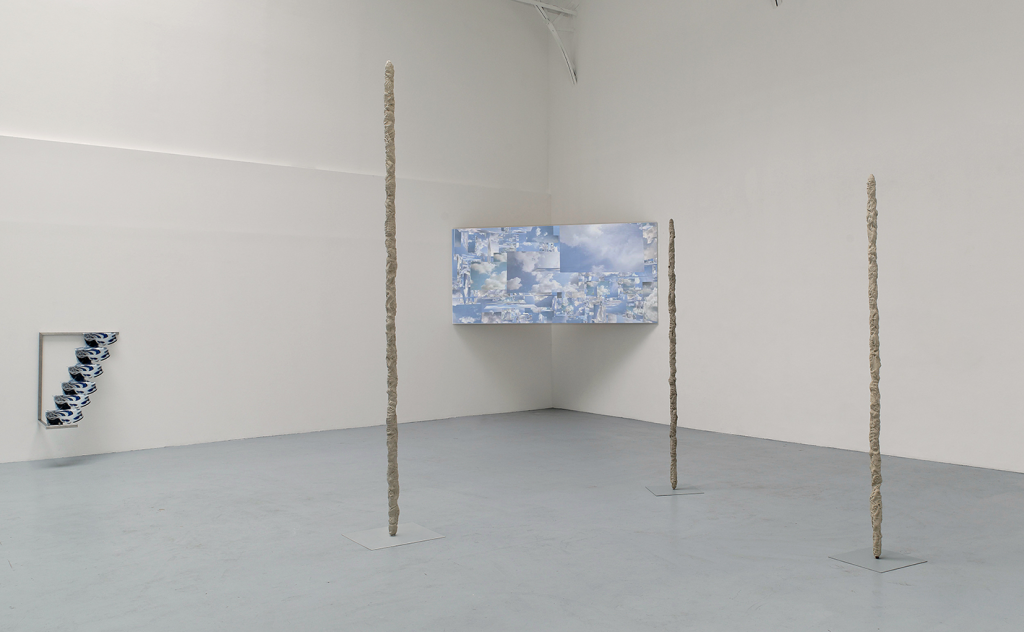
Title:Forecast Artist: Anne de Vries Year: 2011-2026 Materials: Video combining theory, photography and CGI Resolution: 3840×2160 (4K) at 50 fps Duration: 5-minute loop Sound: James Whipple (aka Hesaitix) Text: Excerpts from Bertrand Russell’s A.B.C. of Relativity: Philosophical Consequences Subtitles: Optional
About: Forecast is a computer-generated video featuring a camera panning through photographs of a blue sky with clouds over Amsterdam. A slow voice guides the viewer through selected passages from Bertrand Russell’s A.B.C. of Relativity, explaining distinctions between actuality and perception and addressing relativity theory and concepts of space-time. Midway through the work, the spoken text transitions into music, leading the viewer into a more associative and hypnotic experience.
Title:Whole World Overview Artist: Anne de Vries Year: 2011 Dimensions: 220 cm (diameter) Materials and techniques: UV print on Dibond and 4 mm Plexiglass
About: This artwork was created by Anne de Vries in collaboration with NASA, using Whole World satellite photography. The imagery is stretched into a circular format (from the North Pole to the South Pole), evoking ancient sun crosses and sun wheels.
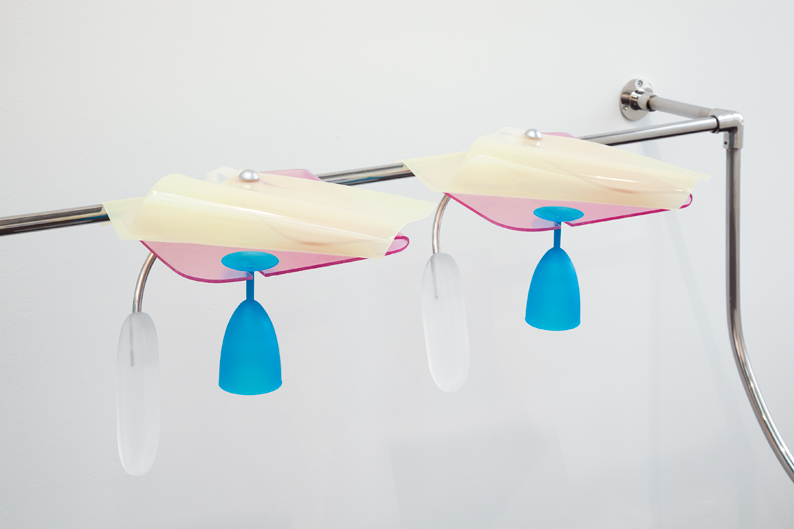
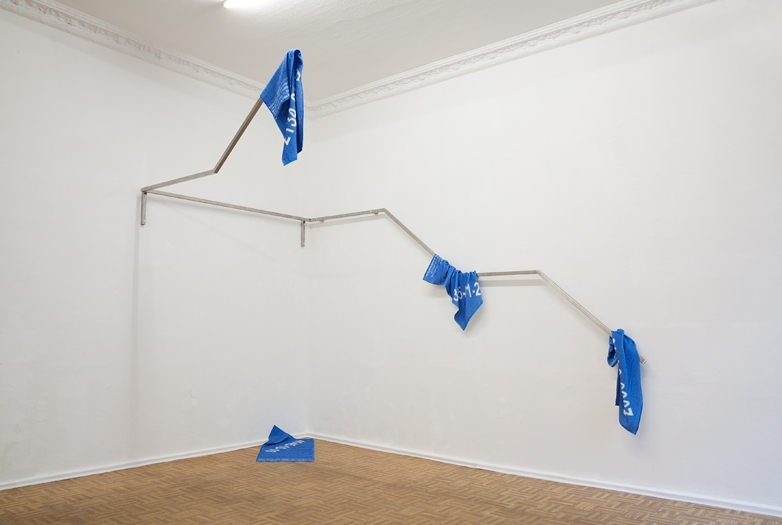
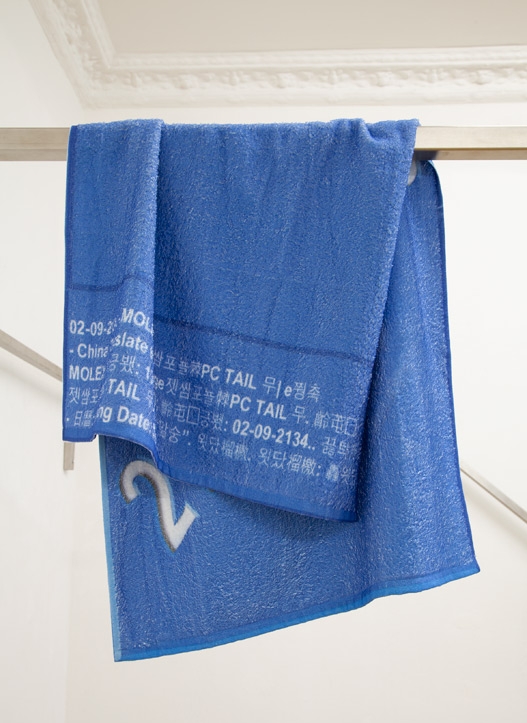
Title:Hold On, Auto Future Artist: Anne de Vries Year: 2013 Dimensions: 250 × 450 × 300 cm Materials: Stainless steel; solvent-printed bath towels with data
About: Towels hang from the handrail like remnants of physical activity. Printed on these towels are computer-generated texts containing data about events scheduled from 100 to several thousand years into the future. These texts are the result of random web-based searches, revealing an auto-generated vision of the future.
Title:Air Gap Hold On Artist: Anne de Vries Year: 2012 Dimensions: 117 × 60 × 8 cm Materials: Stainless steel; digital print on towel; digital print on plastic
About: The title refers to the concept of an air gap in both plumbing and networking contexts. In plumbing, an air gap is the unobstructed vertical space between a water outlet and the flood level of a fixture, preventing contaminated water from flowing back into the potable water system. In networking, an air gap is a security measure that physically isolates secure computer networks from insecure ones—such as the public internet—to prevent unauthorized data flow. The work reflects on ideas of separation, protection, and control.
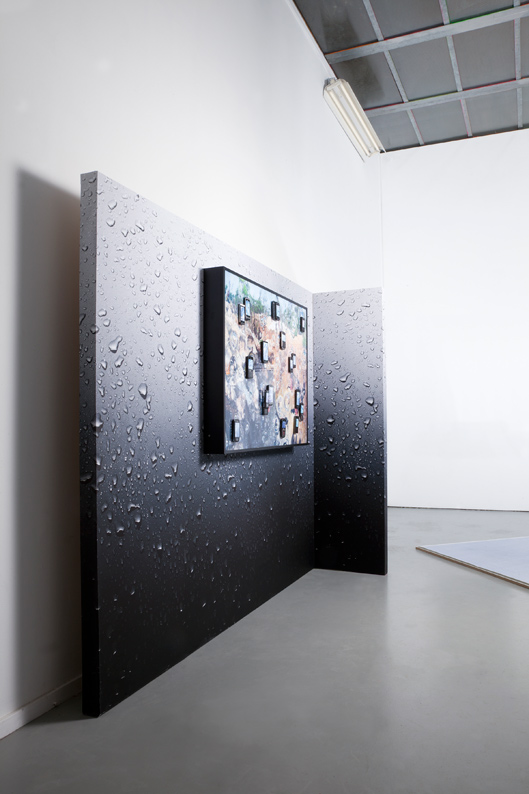
Title:Katanga Bub Artist: Anne de Vries Year: 2011 Dimensions: 90 × 144 cm Materials: Mobile devices mounted on a lightbox displaying a press image of the Katanga mines in the Congo, rephotographed underwater
About: Katanga Bub brings together the extremes of the mobile device industry. It is based on a press image depicting the landscape and workers of Katanga in the Democratic Republic of Congo—an area mined for minerals such as tungsten and coltan, essential for mobile device production. The press image has been rephotographed underwater and presented within a freestanding display unit. As water ripples and bubbles distort the scene beneath, the screens of multiple mobile devices display clearer details of the same Katanga mine view. This fusion of the earthy origins of mining and the liquefied luxury of global technology commodities explores the relationship between material extraction and digital information. The work highlights the dual narrative: while mobile devices disseminate knowledge and raise global awareness with the promise of a better world, the rare earth economy also supports problematic social and political infrastructures in Congo. It reveals the recursive links between matter and information, tracing the path from raw material to data generation.
Documentation: Exhibition views from Trails Rising, Sandy Brown Gallery, Berlin; The Composing Rooms, London; and Treijac Project, France
Title:Infinite Value Artist: Anne de Vries Year: 2009 Dimensions: 5 × 74 × 53 cm Materials: Three digital prints layered within a custom wooden frame
About: This work features three digital prints overlaid inside a custom wooden frame. By milling out sections of the first print, another version of the same image is revealed, creating a layered visual effect.
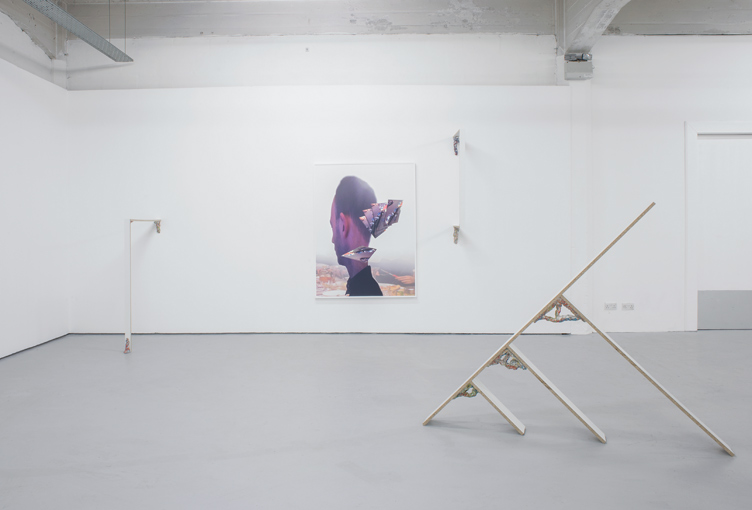
Title:Listening, 01, 02, 03 Artist: Anne de Vries and Olga Balema Year: 2015 Dimensions: Variable Materials: Mixed media; vinyl with UV print; stones coated in silicone; Polyurethane foam coated in silicone; steel; Kneed pox; acrylic hair About: Duo exhibition by Anne de Vries and Olga Balema at Michael Thibault gallery Los Angeles